
A Taste of Home
A family's Malaysian-Chinese rendition of sambal sauce carries three generations of memory for former Masterchef contestant Woei Lee
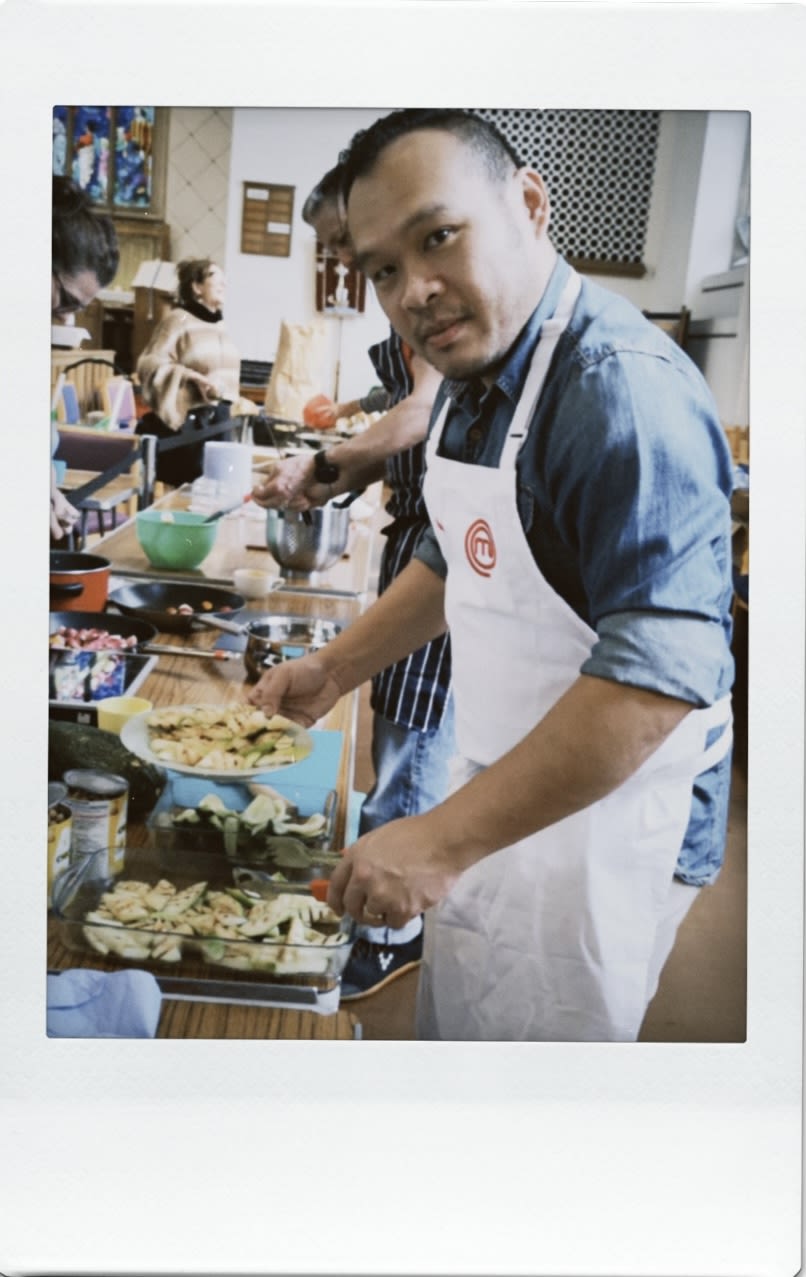

A t just nine years old, Woei Lee cooked his first meal for his family. To this day, the smell of chilli, garlic and ginger sizzling in spitting oil does more than make his stomach growl – it takes him back home to his childhood kitchen.
Woei, 34, was raised in Ipon, a city in the north-west of Malaysia. He now lives in Bristol with his wife Justina and their 13-year-old daughter Venus, and he runs supper clubs as well as leading cooking classes for vulnerable people.
In Ipon, surrounded by street vendors and the constancy of good cooking, food was an essential part of daily life. But Woei’s relationship with cooking was shaped away from the street food culture, inside the walls of his family kitchen. “I was always surrounded by good food," he said.
At home, food was a shared responsibility. Woei’s father played a prominent role in shaping his affinity with cooking. His dad ran a bakery, meaning that for Woei, some of his first memories are tied to mornings before school when he would accompany his father to the bakery and help him with simple tasks. “My earliest food memory is helping my dad roll up some dough before we went to school,” said Woei.
“My dad was my inspiration to get into cooking,” he added. Woei’s father believed that preparing meals for the family was an essential part of daily life, and a way to bring everyone together. “My dad was a very good cook. He always cooked at home. He always cooked for the family. His principle was he would rather cook for the family and have a meal together [than go out to eat]. Now, I cook for my family every day,” he said.
"My dad was my inspiration to get into cooking. He always cooked for the family. Now, I cook for my family every day"
Cooking at nine

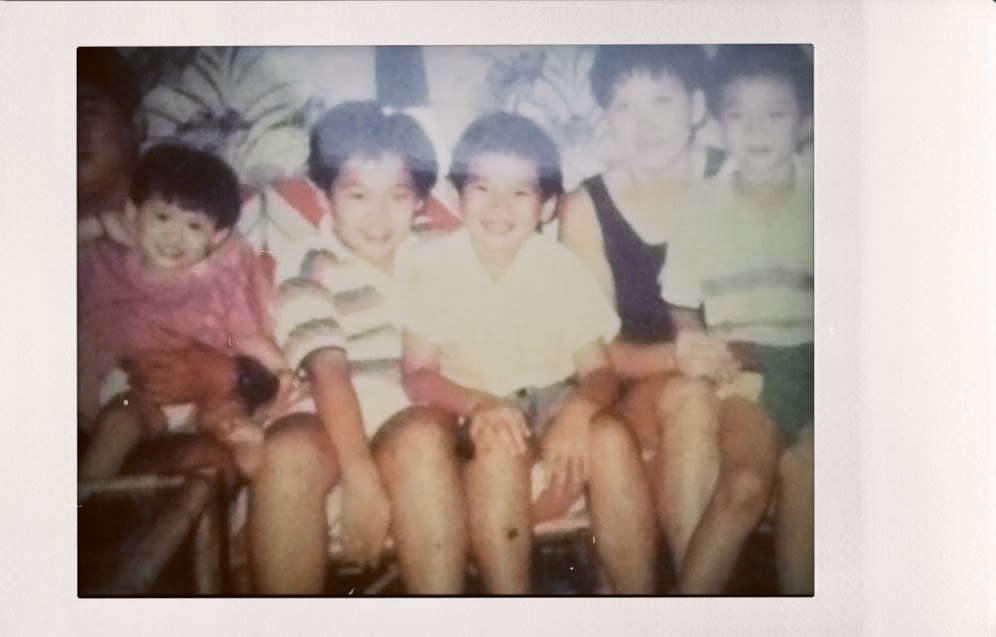
In the Lee household, the children were not observers of the kitchen. They were expected to watch, listen, learn, and eventually take on the responsibility of cooking. Woei’s first experience of making a meal from scratch came at nine years old. “My dad forced me to, really. My mum was pregnant with my little sister. She went into labour and my dad said she expected me to cook a full meal when she was back from the hospital.”
Woei’s first dish was simple: “I still remember what I cooked. The fish was tilapia, pan fried, and stir-fried green vegetables.” By the age of nine, he had already spent many mornings and evenings alongside his father, both in the bakery and at home, watching, listening, learning how to cook. “I was always in the kitchen helping my dad – gutting the fish, doing a roast.” Those early days spent absorbing the skills of his father laid the foundation for what would become a lifelong love of cooking.
A family tradition

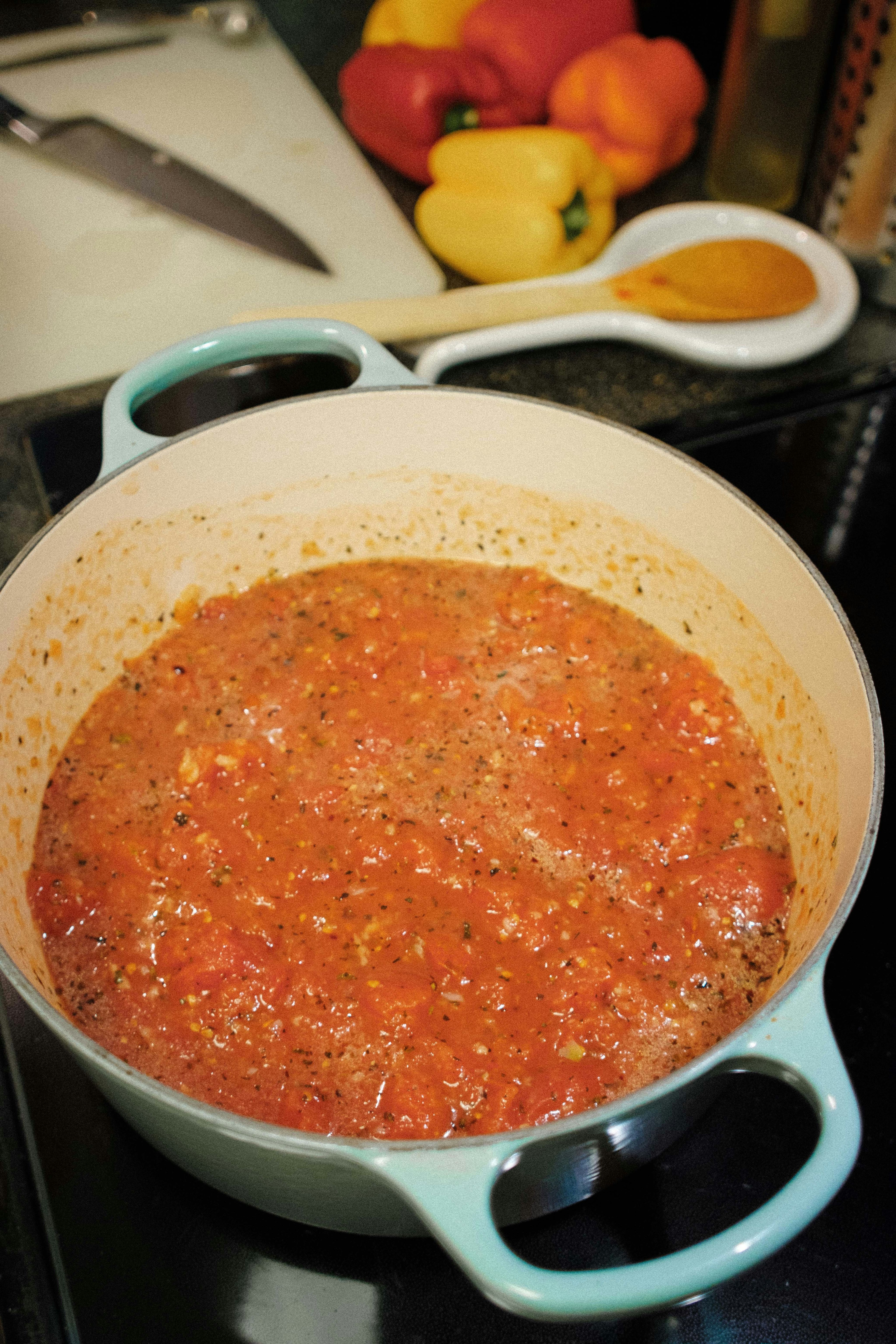
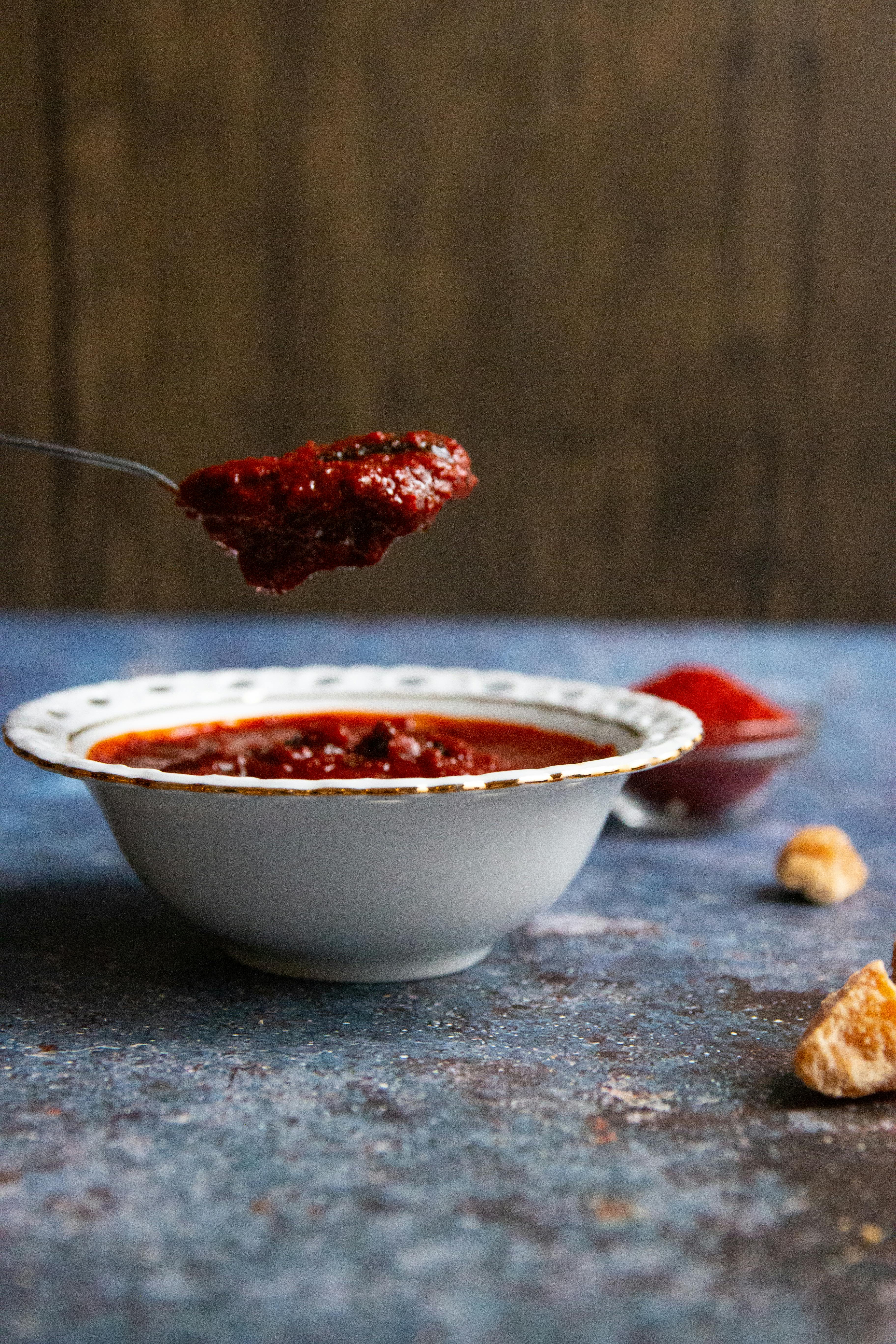
Sambal is one of the defining condiments of Malaysian cuisine – a chilli-based sauce that appears in multiple variations from region to region and from family to family. It's commonly made using garlic, shallots, shrimp paste, tamarind, coconut sugar, and red chilli peppers. The sauce is typically red and slightly chunky, and the amount of chilli added determines whether the spice level is mild, medium or hot. Traditionally, sambal is served alongside dishes like nasa lemak (coconut rice, peanuts, sliced cucumber, peanuts and a boiled egg), or with grilled meats, eggs, fish, noodles and rice.
Woei first made his family’s version of the sauce when he was around 12 or 13 years old. He became curious about sambal when he grew to appreciate its distinctive taste: “I liked the very intense flavour,” he said. Eventually, he asked his father how it was made and was shown how to make it himself.
Woei describes himself as Malay Chinese, and the sambal recipe his father taught him drew from both cultures. “If you ask anyone in Malaysia, they have their own sambal recipe. Because it’s a Malay thing and I’m Malay Chinese, my dad sort of mixed that into his own idea to make his own sauce. He’d been taught by my grandad how to do it. It’s a very simple sauce.”
Although Woei’s grandfather Shek died when he was very young, the presence of sambal in his family home takes him back to his early memories. “My grandad passed away when I was six or seven years old. I’ve got a very faint memory of him. He always cooked at home. I could always smell chilli, ginger and garlic in his kitchen,” he said.
Cooking sambal sauce formed a connection between three generations of the Lee family. “The same as I did, my dad always spent time in the kitchen with my grandad doing dinner prep. Like I approached my dad, my dad approached my grandad to learn how to make sambal.”
Flavours less well tasted
Malaysian cuisine is predicted to trend this year, according to a report by Bidfood.
Diners are seeking bold and varied food, and with Malaysian cuisine known for its complex flavour profiles, the trend is following. Blending Singaporean, Thai, Chinese and Indian influences, at the heart of Malaysian cuisine is the marriage of sweet and savoury. With dishes ranging from hot chilli to mild coconut, staple Malaysian meals form around simple bases of rice and noodles.
The national dish of Malaysia is the coconut-rich nasi lemak, often doused in sambal sauce. Fried rice dishes like nasi goreng are also popular, alongside curries, broths and stir-fries. Malaysia's street food culture and emphasis on sharing also aligns with trends in social dining, with diners seeking connection alongside their meal.

Who is having Malaysian cuisine this year?


55%
Of the public are very likely to try Malaysian dishes
68%
Of food lovers are very likely try Malaysian cuisine
61%
Of students are very likely to opt for Malaysian cuisine
41%
Are likely and willing to pay more than normal to have a Malaysian meal

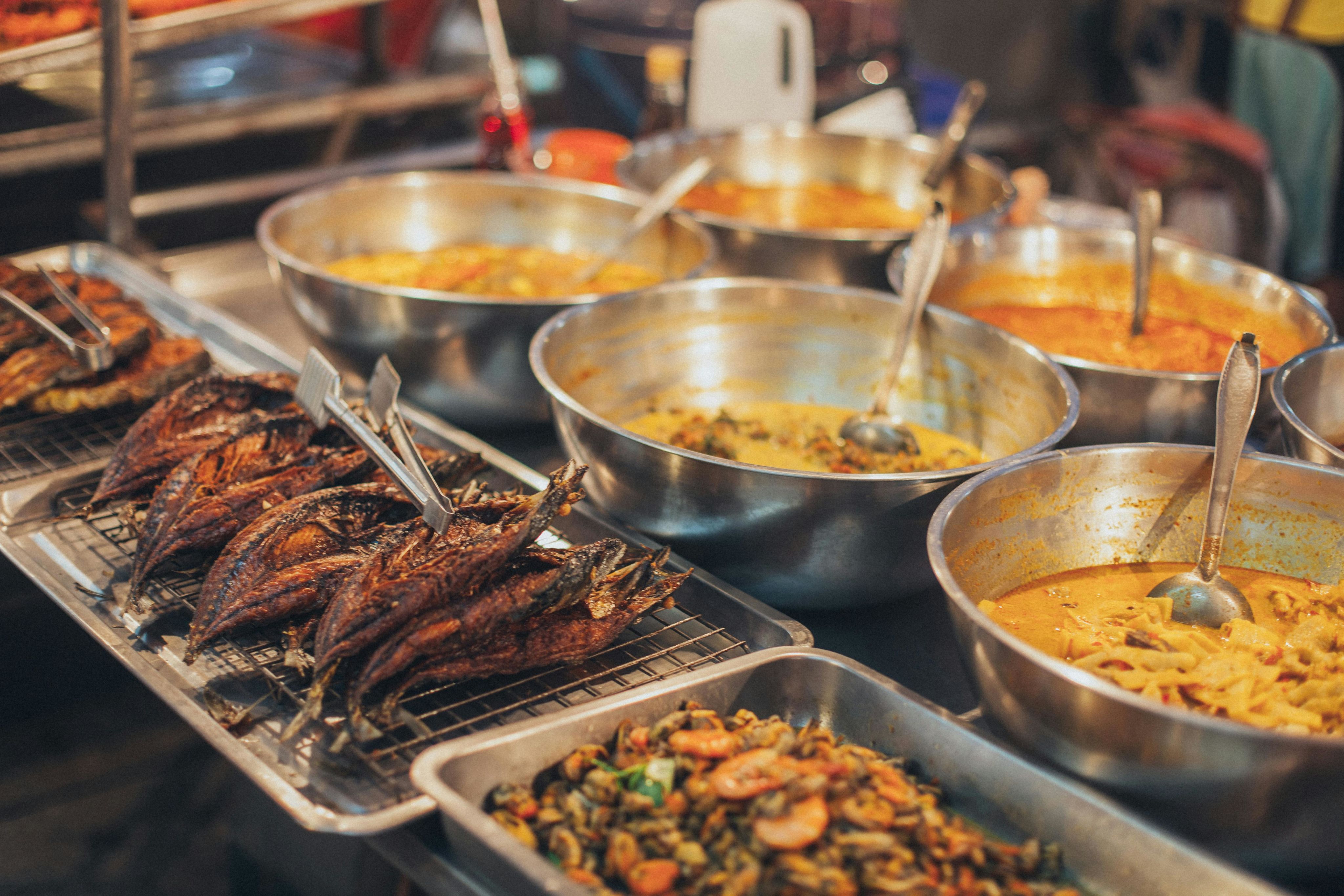
Learning the tradition

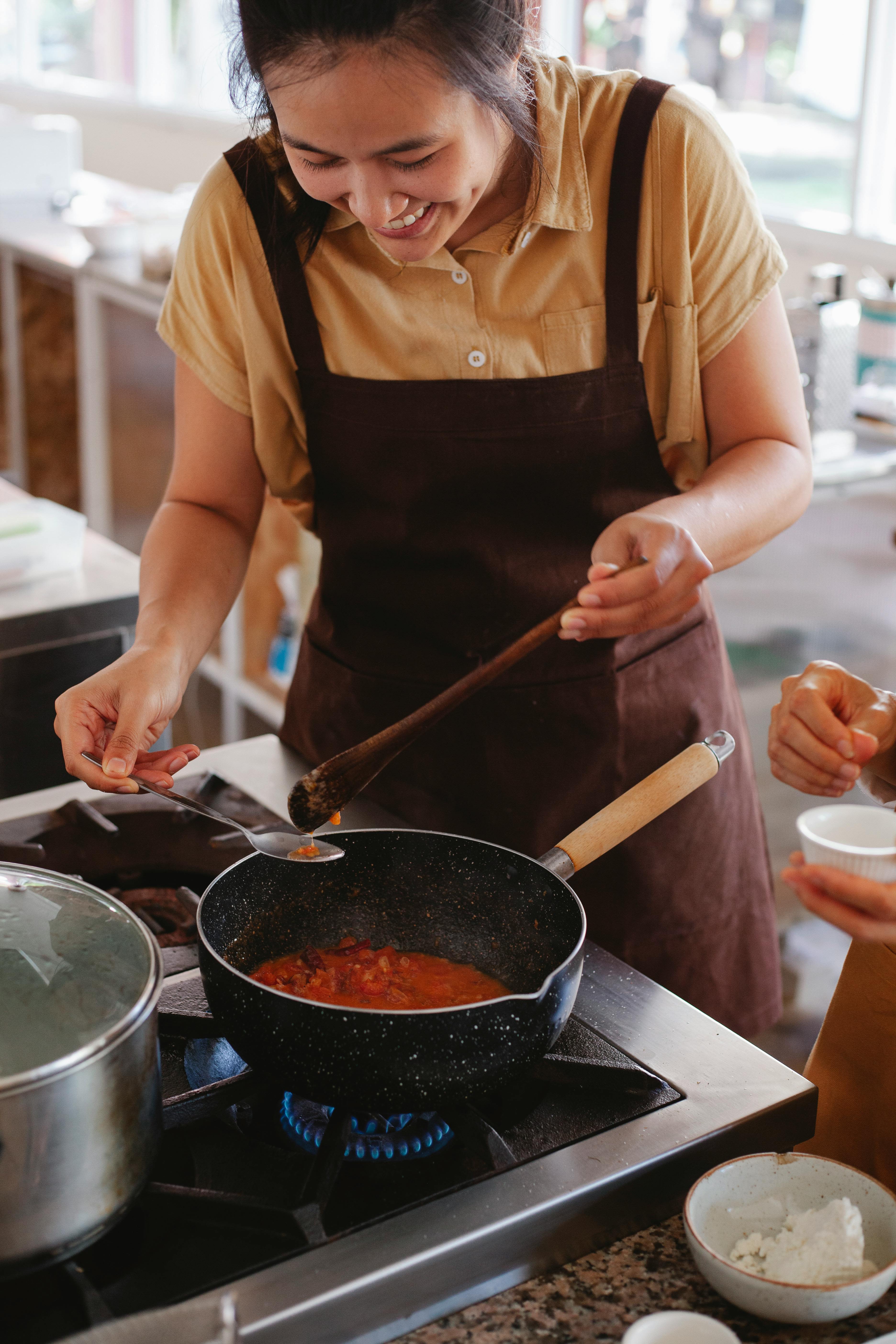
Preparing sambal is not a quick process for Woei’s family. When they lived in an older wooden house without many modern appliances, learning to cook the sauce involved patience as much as skill.
“Very often in the kitchen, my dad would start by peeling the shallot, chilli and garlic. Then he put it all in the pestle and mortar and started pounding all the ingredients,” explained Woei.
He was then expected to continue the process himself. “My dad told me to do it, and I think I spent about 2 hours pounding the onion, garlic and ginger in the pestle and mortar,” he laughed. Throughout, his father would remain nearby, guiding him through the process and explaining how the flavours should come together.
“I think I was lucky that he let me take control of it. He showed me what the consistency should be like, what the ingredients are, and how sour it’s going to be, or how sweet it’s going to be,” Woei added. “He showed me it step by step.”
Sometimes they worked side by side, with Woei preparing the paste while his father continued with the rest of the ingredients. “Every time I wanted to cook it, it had to be how my dad wanted it to taste. He would sit next to me, side by side, and we’d do it all together," he said. "I still remember him peeling the onions, letting me pound it, and my tears were coming out! There was a lot of onion in there.”
The recipe
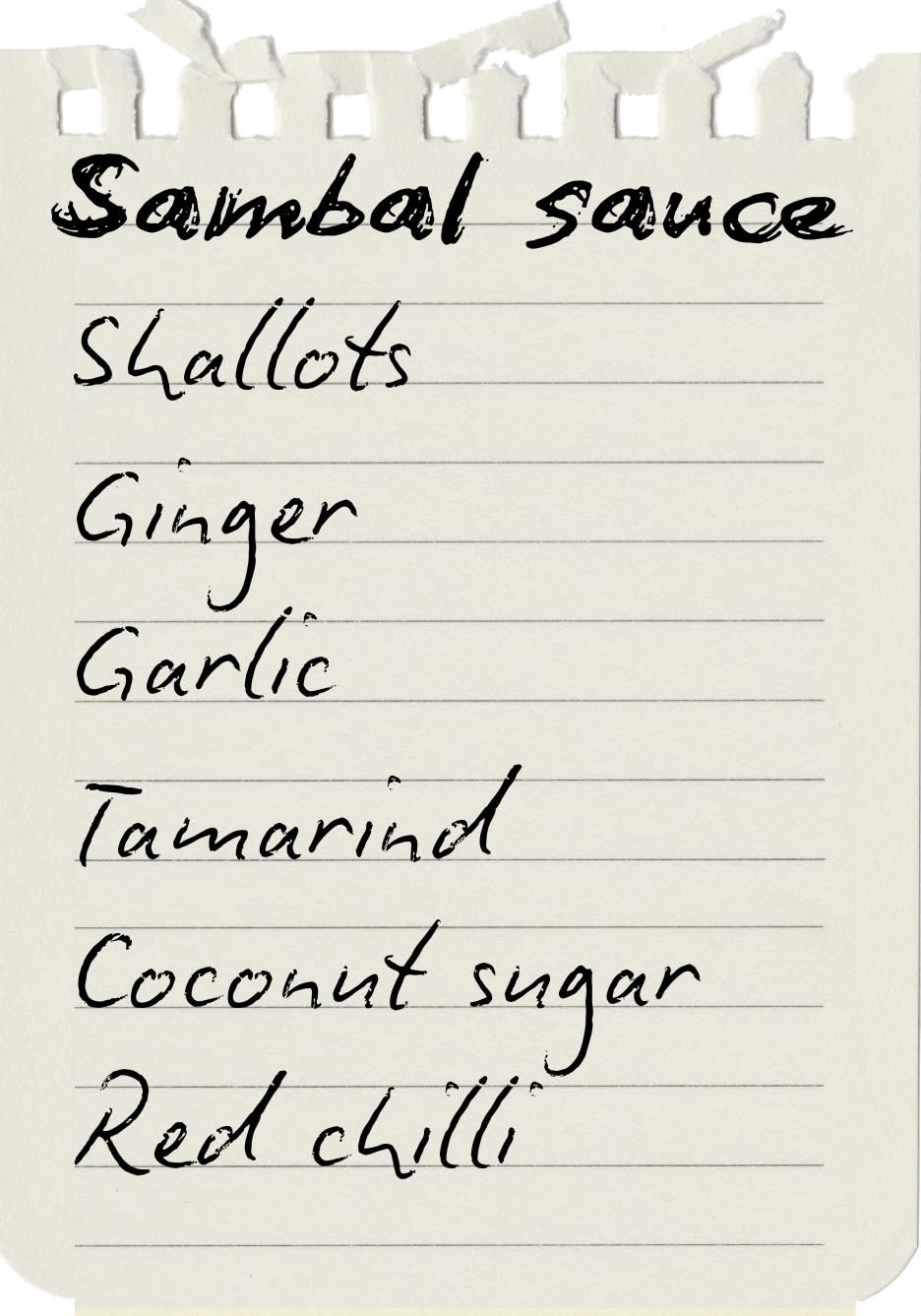
The version of sambal sauce that Woei makes today follows the same steps he learnt from his father. “I grind up some shallot, garlic, ginger, dry chilli, and stir fry it with hot oil,” he said. “Then I add some shrimp paste, some tamarind water and dilute it down and cook it until it thickens up.” Tamarind water can be made by either soaking tamarind pulp in boiling water, or it can be purchased in supermarkets such as Sainsbury's.
The sauce requires time to develop its flavour properly, with the ingredients slowly marrying together before the final seasonings are added. “We carry on cooking them for about 40-45 minutes and then we add coconut sugar, salt, and that’s it,” Woei said.
“My dad put twists in there. He used fresh chilli but not only that, he charred the chilli first, so it had a smokiness to it,” he explained. “I have made it exactly the same way ever since.”

Serving sambal

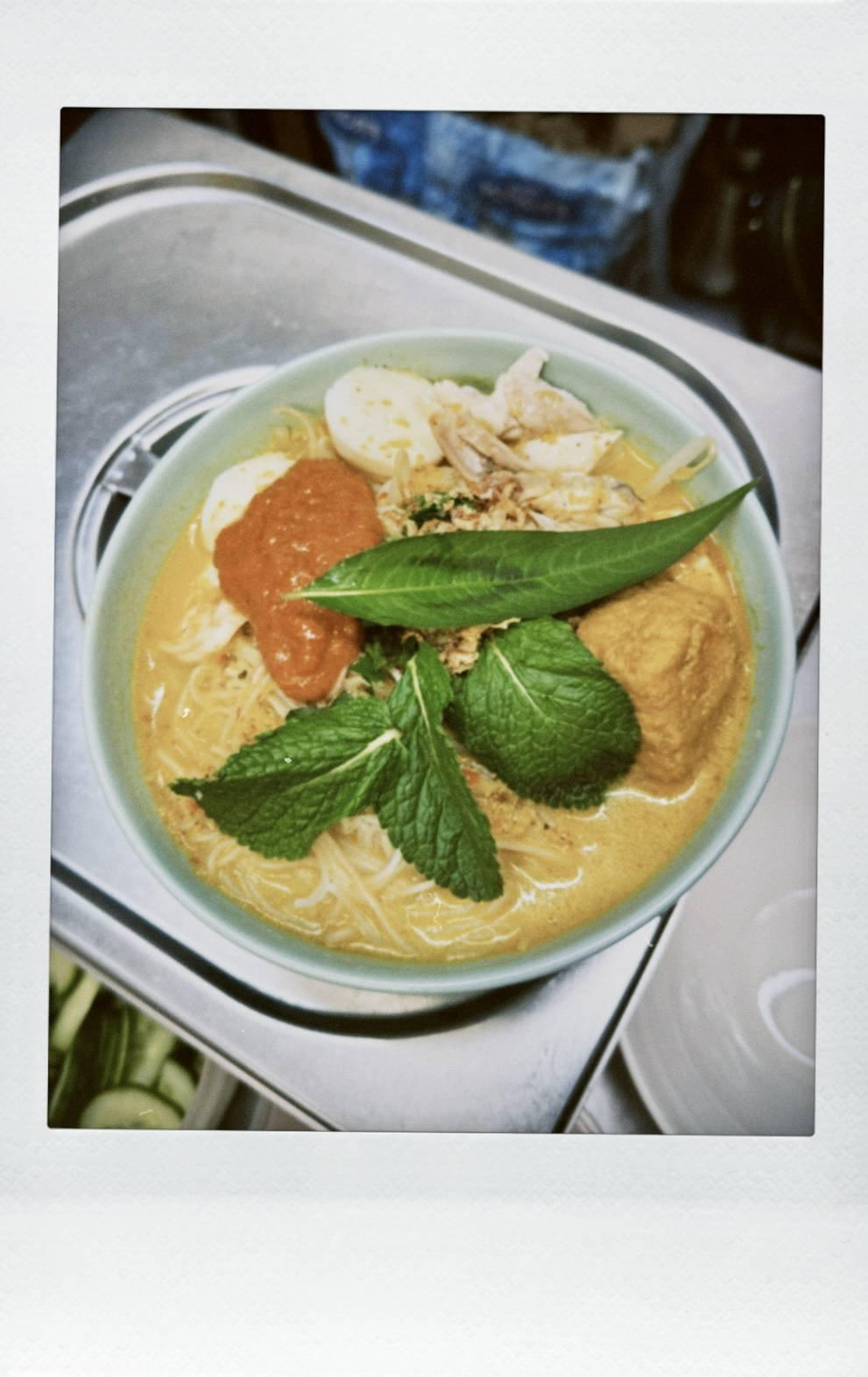
For Woei, the appeal of sambal lies in its complexity. Although the ingredients list is relatively small, the combination of flavours produces something layered.
“[Sambal] is very complicated,” said Woei. “When you put it in the mouth, you can taste the spices coming through from the dried chilli, the pungency from the shrimp paste, the sweetness from the coconut sugar, and a sourness from the tamarind.”
The sauce also has practical uses across many different dishes. “Sambal sauce is very versatile. You can use it to stir fry seafood and vegetables – you put a spoonful on the stir fry to elevate the flavour, there’s spice and sourness and sweetness in there. You can do a lot of things with it,” he said.
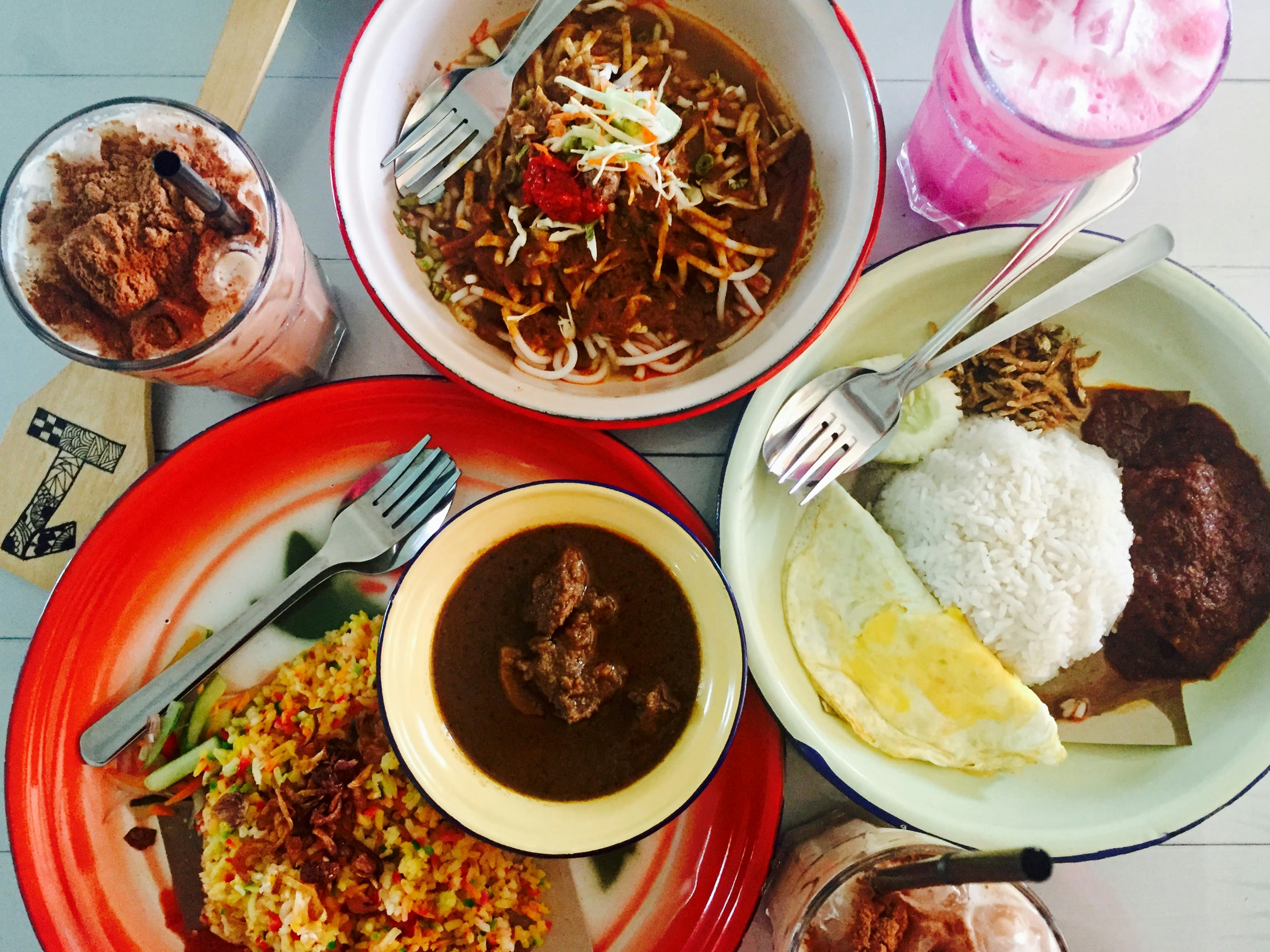
One of the traditional ways of serving sambal is on top of a bed of coconut rice that’s been cooked with coconut milk, garlic, and lemon grass, alongside a boiled egg, fried anchovies, sliced cucumber, and peanuts.
“Sambal is very complicated. You can taste the spices from the dried chilli, pungency from the shrimp paste, sweetness from the coconut sugar, and sourness from the tamarind”

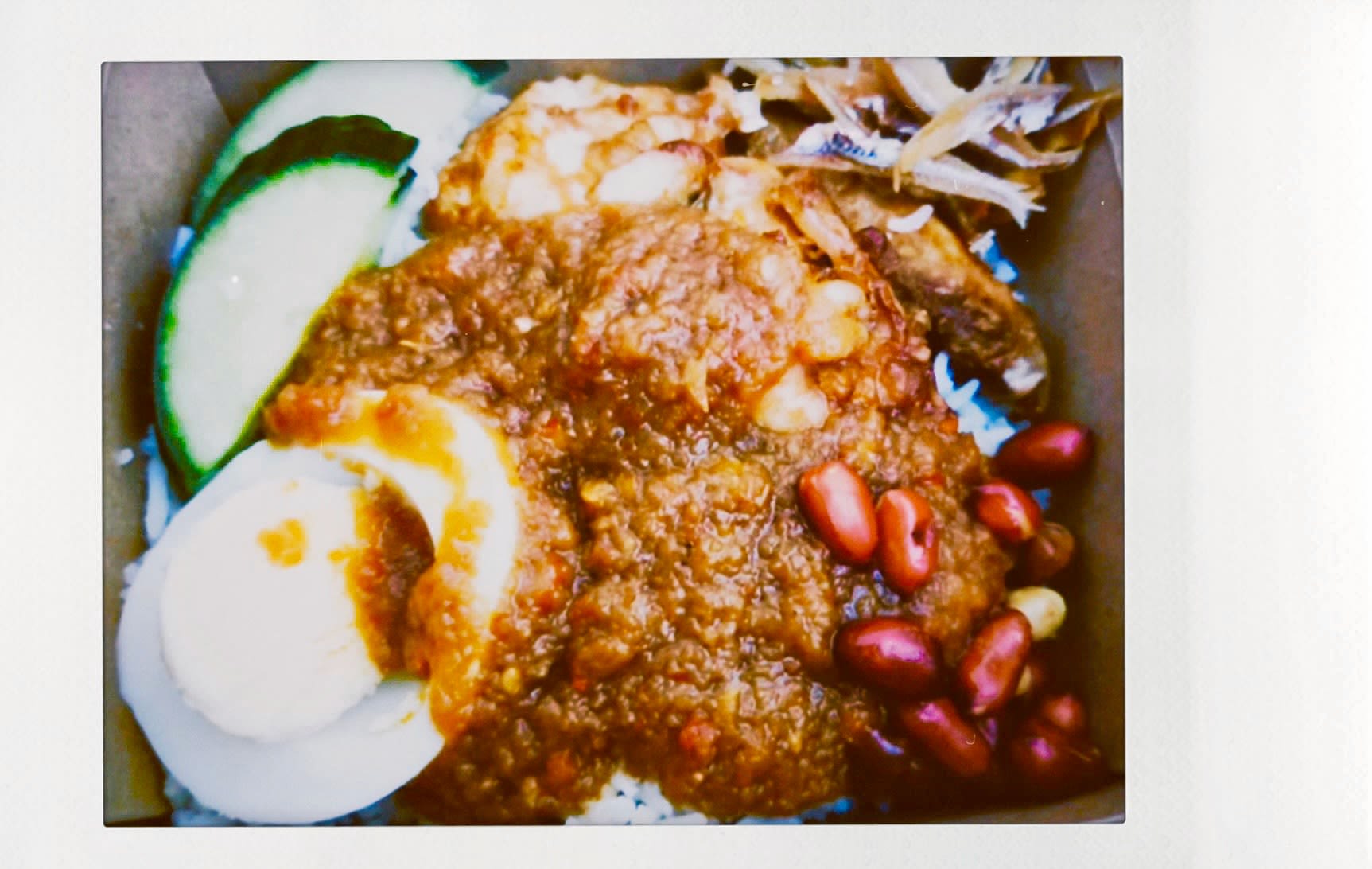
Nasi lemak, the national dish of Malaysia, topped with sambal sauce. Photo: Woei Lee
Nasi lemak, the national dish of Malaysia, topped with sambal sauce. Photo: Woei Lee
What dishes is sambal sauce typically served with?
- Nasi lemak: coconut rice, fried anchovies, peanuts, cucumber and an egg
- Nasi ambeng: beef, chicken, long beans, beancurd, tempeh, vegetables and coconut
- Ayam penyet: fried chicken, cucumber, tofu, and tempeh
Sambal is also often paired with grilled meat or fish, steamed vegetables, or used to enhance rice and noodles

A turning point
At the age of 19, Woei moved to the UK. He joined Tesco as an apprentice and gradually worked his way up the company. When he met his wife, Justina, he became focused on setting up his family. He became a manager, and the demands of the role meant long hours. “I always spent time in the shop. I rarely spent time at home – it was calls and emails 24/7, so I lost that time to spend time with my family, and I lost the love of cooking,” he remembers. Jordan, who worked with Woei at Tesco, said: "Woei is a very hardworking person. He cared for his customers and influenced his team to go the extra mile."
The turning point that would come to reignite his love for cooking unexpectedly came during an evening at home on the sofa in 2022, watching Masterchef with Justina. “I still remember three and a half or four years ago, me and my wife were sitting in the living room, and we saw Eddie Scott won Masterchef,” he said.
Justina suggested Woei should apply. "In a way to please her, I thought I’d apply for it. It was just like buying a lottery [ticket] – you don’t think you would get picked,” laughed Woei. After applying, he forgot about it. Until three months later when he had an unfamiliar number ring him, which turned out to be Amy from the production team at Masterchef.
After several interviews and a live cooking audition, he received the news that he would be competing in series 19 of the show. “They rang me up and said: ‘Mr Lee, you’re going to London.’ I was gobsmacked,” exclaimed Woei.
Competing in the 2023 season of Masterchef was a transformative experience. “I was very nervous… it was completely out of my depth. I met a lot of good friends, and lucky enough, I got the apron!” he laughed. In the first episode, where Woei won an apron, he cooked a Taiwanese beef noodle soup. Judge William Sitwell said: "This dish is the essence of hospitality. It's really meaty, earthy, and beautiful." Being given a Masterchef apron happens when three judges like the contestant's dish and is viewed as a significant achievement on the show.
“I think during the whole process, it reignited my passion for cooking. I think all my memories with my dad and of my grandad – of the smell, of the food surrounding everything when I’m home in Ipon in Malaysia – it all came back.”
After the show, Woei made a major change and committed to cooking full-time. “I decided to leave Tesco to go and do cooking at supper clubs, events and pop-ups around Bristol for seven months,” he said. Woei prides himself on showcasing Malaysian cuisine in his supper clubs, and enjoys sharing his heritage with new people. Holly, an attendee at one of his supper clubs, said: "Woei is an excellent communicator and is full of interesting stories behind the food he serves."

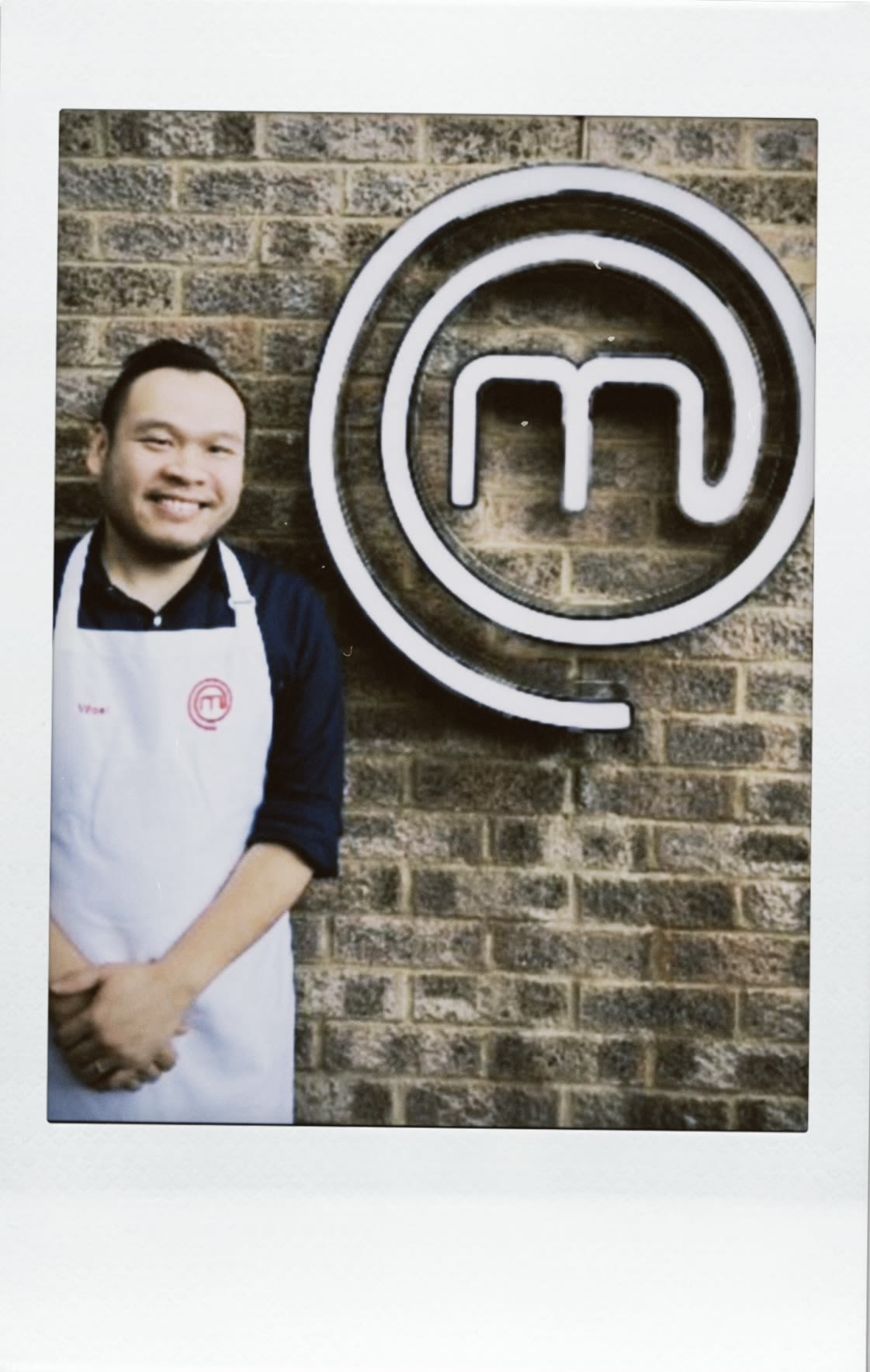
“Masterchef reignited my passion for cooking. All my memories with my dad and my grandad – of everything when I’m home in Malaysia – it all came back”

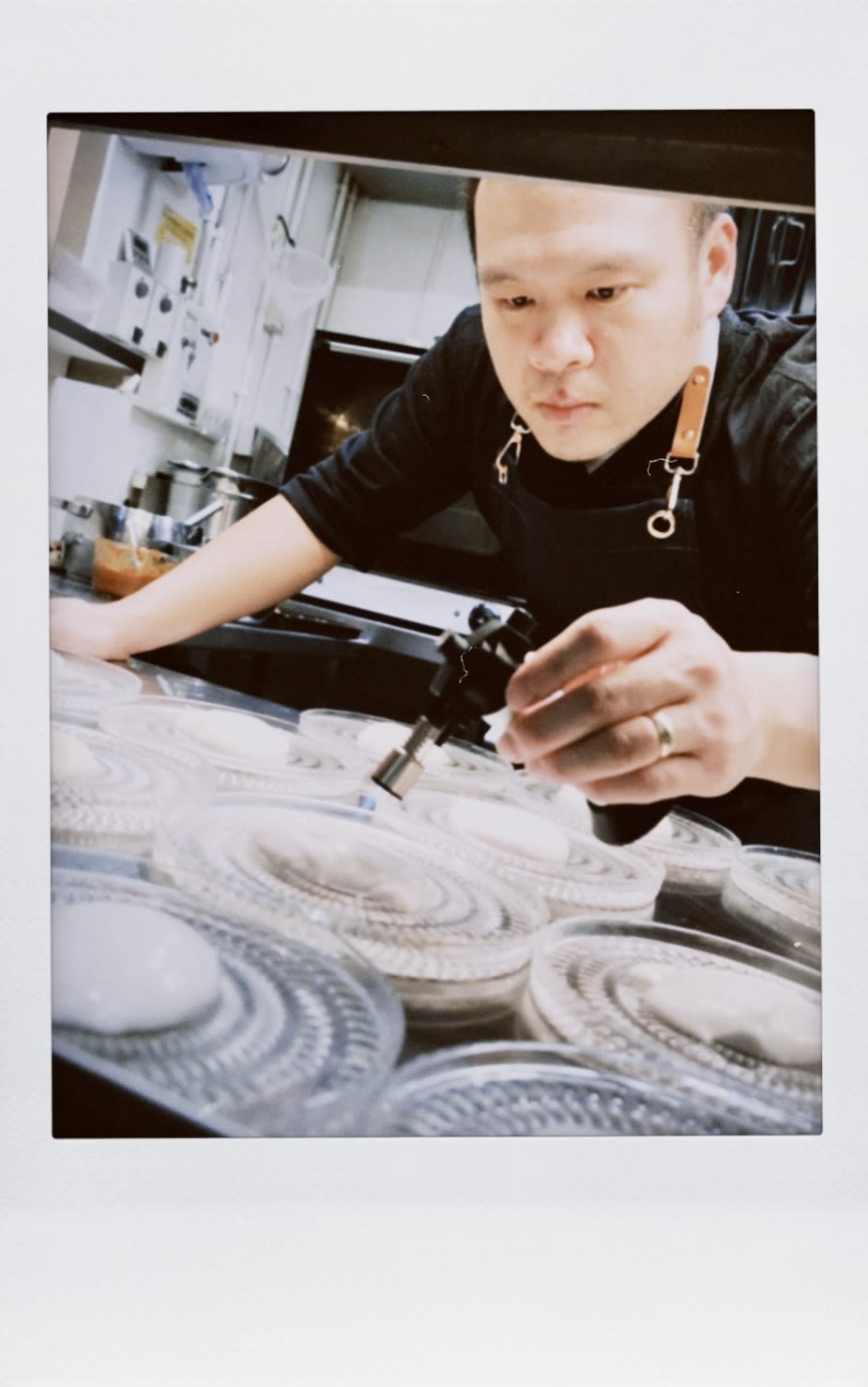
Competing on Masterchef brought back Woei's passion for cooking through memories of his family and childhood. Photo: Woei Lee
Competing on Masterchef brought back Woei's passion for cooking through memories of his family and childhood. Photo: Woei Lee
Curing homesickness


Sambal sauce is always in Woei’s fridge. It’s one of the few things he insists on keeping stocked at home, and whenever he runs out, he makes another batch. The sauce he learned from his father, and that his father learned from his grandfather, has become a constant in his cooking – whether it ends up in supper club dishes or used in the simplest possible ways at home.
Sometimes the use for it is straightforward. After long shifts at work, when cooking anything elaborate felt impossible, sambal was often enough on its own. “I just cooked some rice and put some sambal sauce on top. That cured me from the whole day of tiredness,” said Woei.

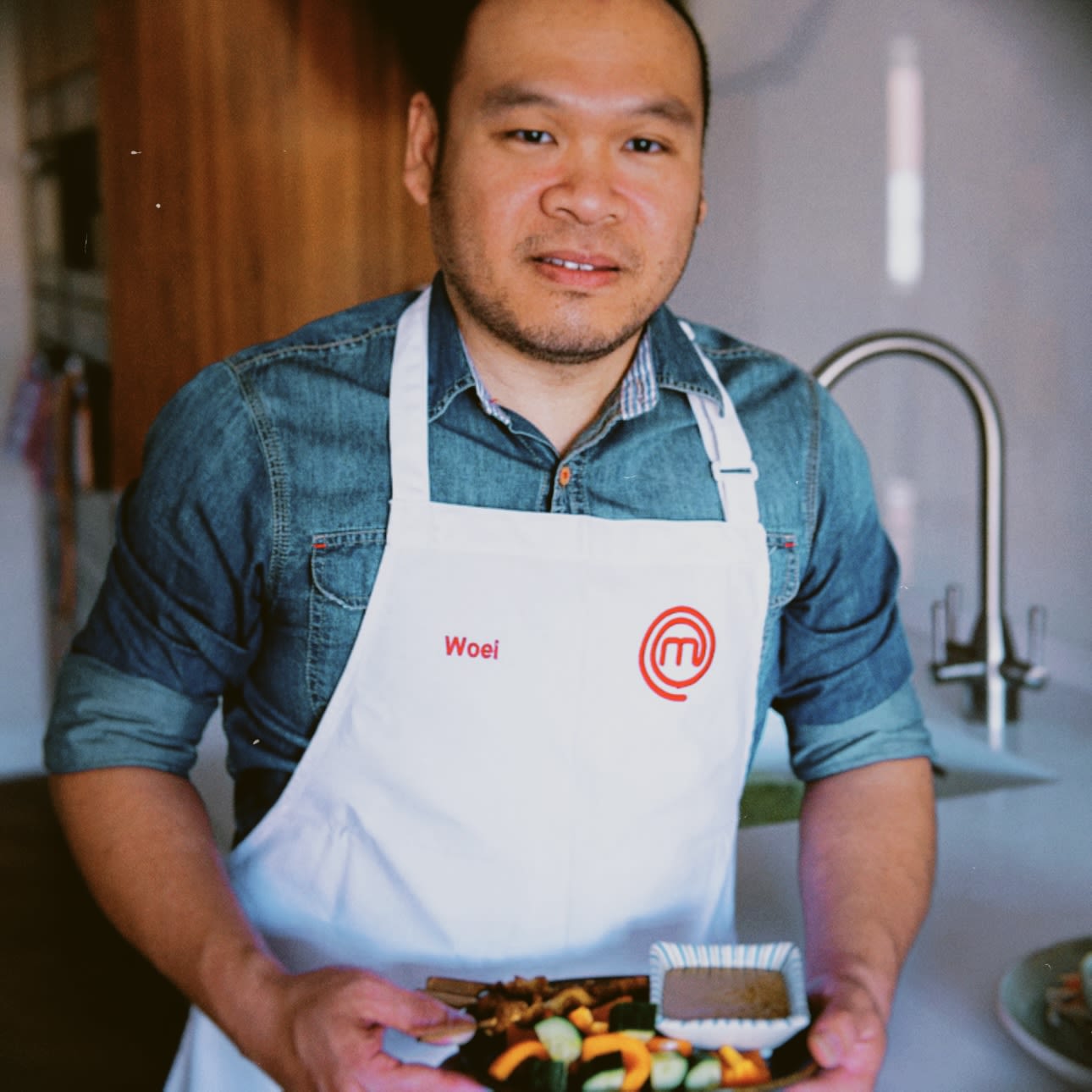
Woei hopes to continue sharing his love for Malaysian cuisine with more people. Photo: Woei Lee
Woei hopes to continue sharing his love for Malaysian cuisine with more people. Photo: Woei Lee
But the sauce carries more than practicality. Woei’s father died nearly ten years ago, and the ritual of making sambal still brings him back to the kitchen where he first learned it – pounding the ingredients in a pestle and mortar, watching the oil spit in the pan, checking the balance of sweet, sour and salt, stood side by side with his dad.
Now that Woei lives in Bristol, the sauce has also become a way of staying connected to Malaysia. Cooking it recreates the smells and flavours he grew up with. “It’s not only that, it kills my homesickness, and reminds me of my dad,” he said.
Sambal never disappears from the Lee’s family fridge for long. “It’s a must have condiment in my fridge. So, every time I run out, I cook it. I said to my daughter and wife that I always want it in my fridge,” said Woei. “It’s not only because we use it daily, but because it holds a memory between me and my dad.”
 Built with Shorthand