
ERROR 404: KIDS TOO BROWN
A guide on why diversity matters, to celebrate International Children’s Book Day

My creative process has always been more of a series of sprints than of a consistently paced marathon. 2020, new decade, new goals: it was time to get rid of the lazy writer in me.
What better way to test my abilities than by celebrating the International Children’s Book Day in April?
To do so, I was going to… *drumroll* ..... write a children’s book, in four weeks.
Yeah, in four weeks.
In honour of Andersen, whose birthday marks the day, it had to be a tale. Yet, I wanted to do more than write any story.
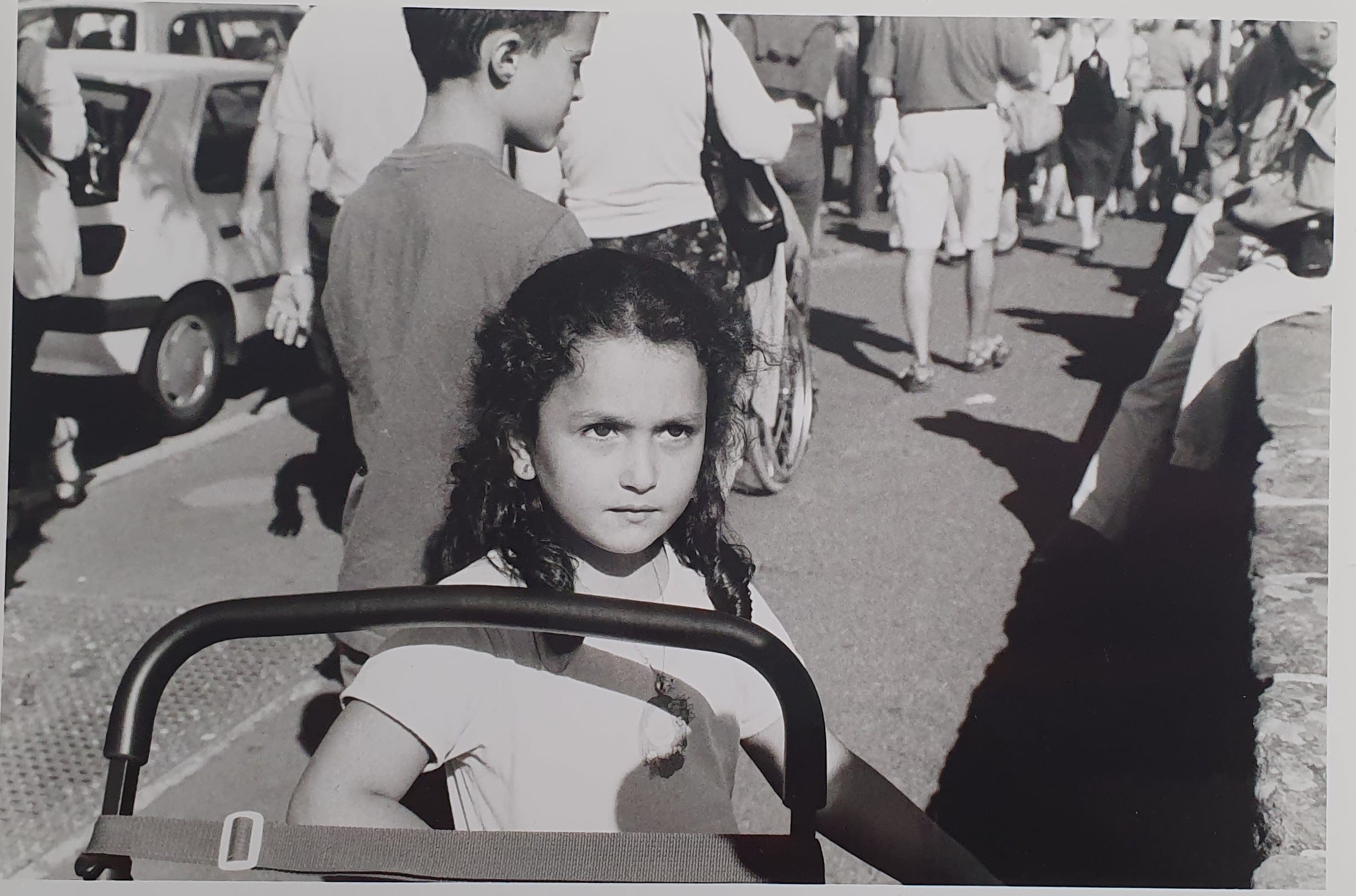
Whether it was the Max et Lili or Tom-Tom et Nana series, popular for generations of French kids, all my childhood books had one deep flaw: they were terribly white.
It didn’t change how fun the story was, but it certainly impacted how I perceived myself.
Why were all the female characters blonde? And their hair straight and thin?
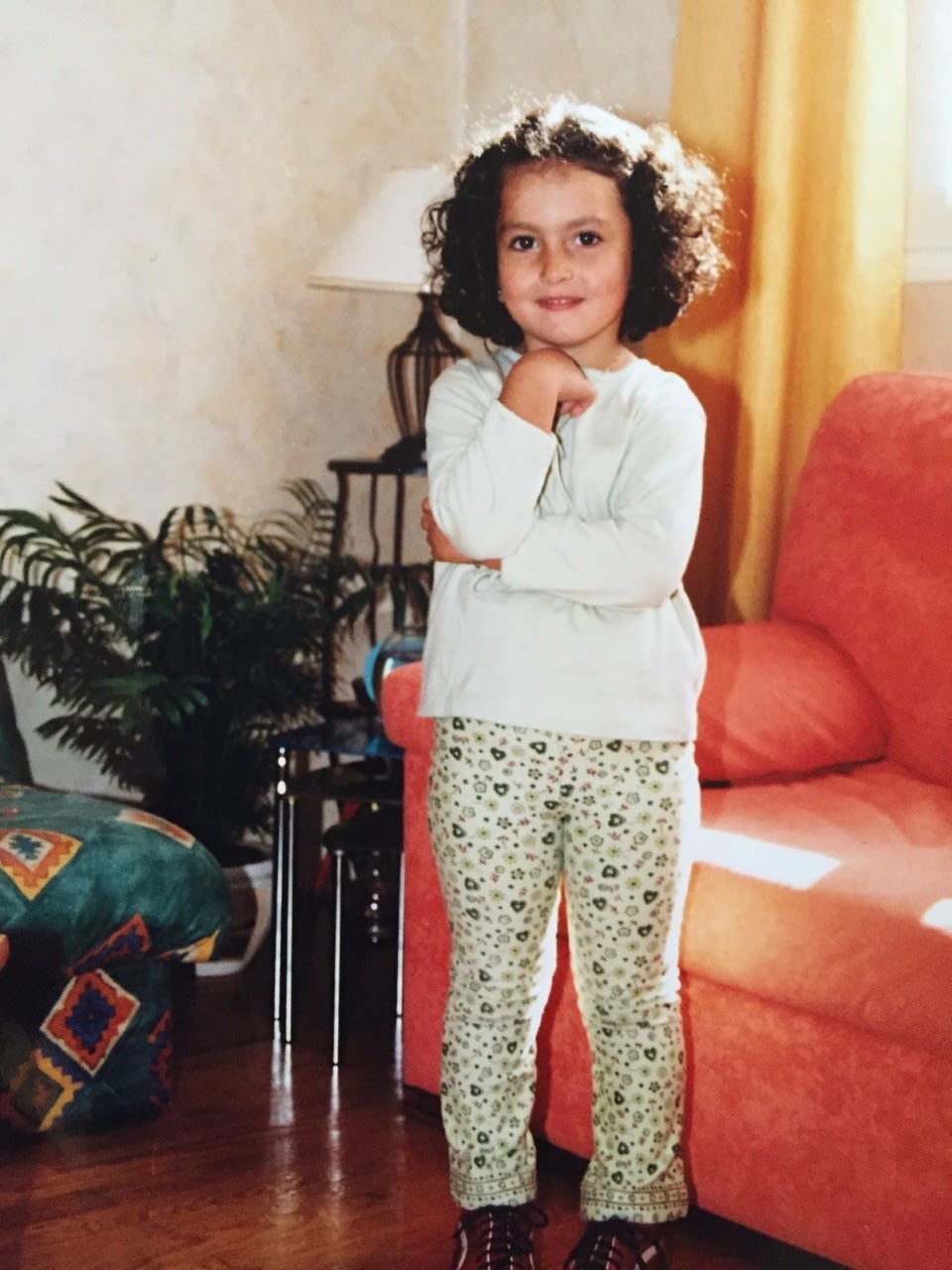
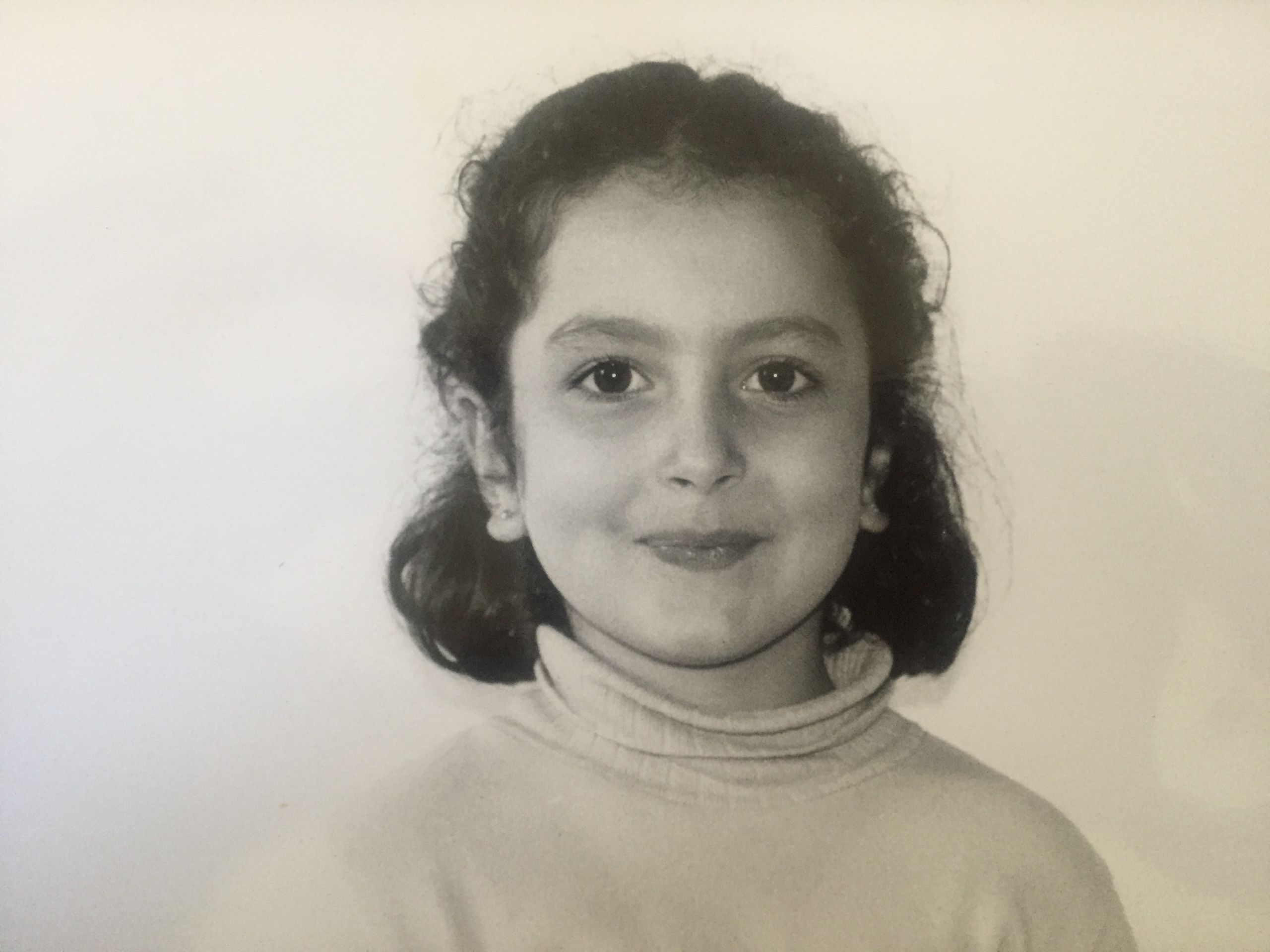
Growing up, I pressed my hair down with a straightener, erasing any of the natural curls I used to cherish as a young kid. It felt more natural to delete a version of myself to fit what I believed to be beautiful and worthy of stories.

CHAPTER 1:
HOW DIVERSE IS THE INDUSTRY?
(a story of white characters and white creators)


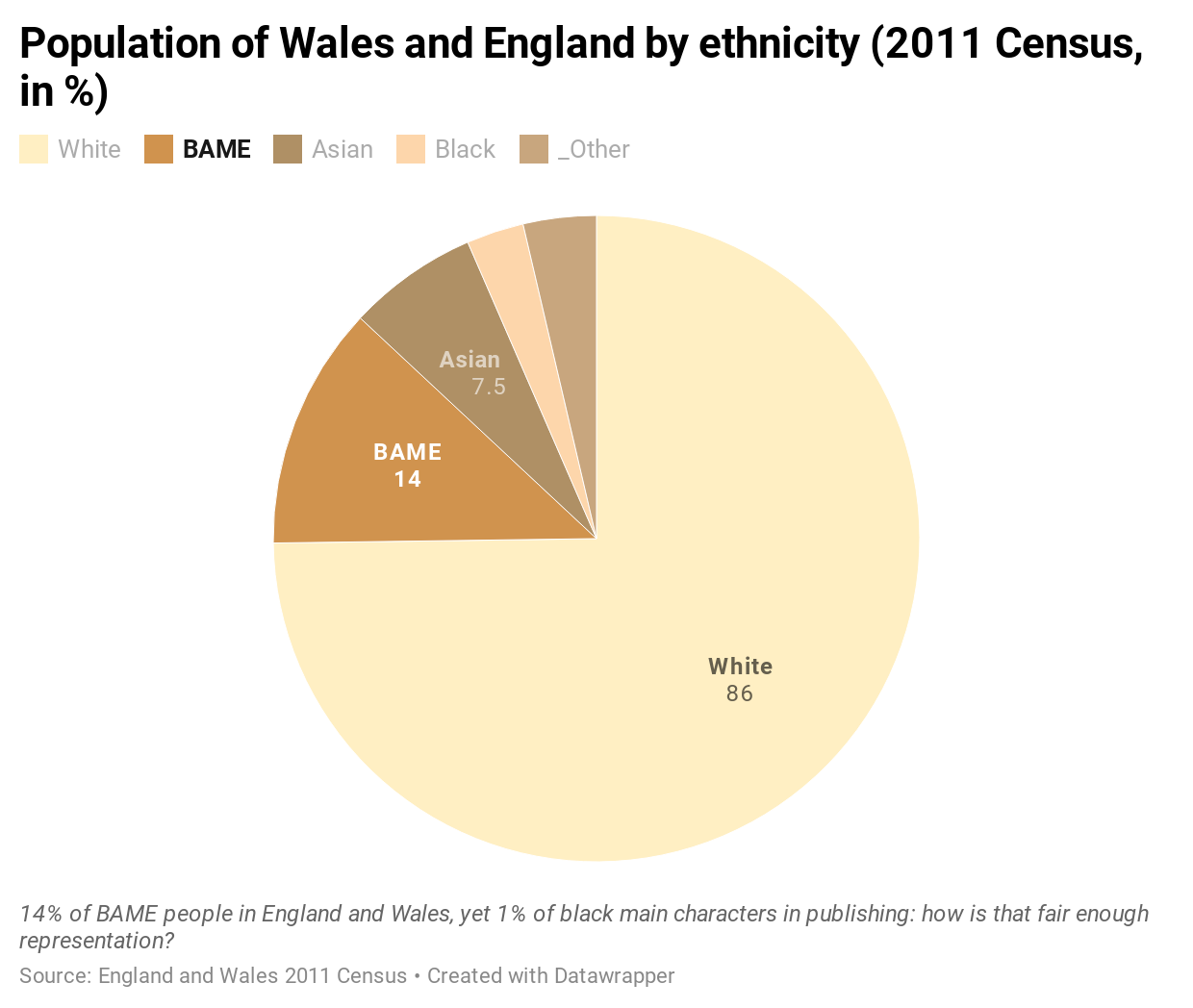

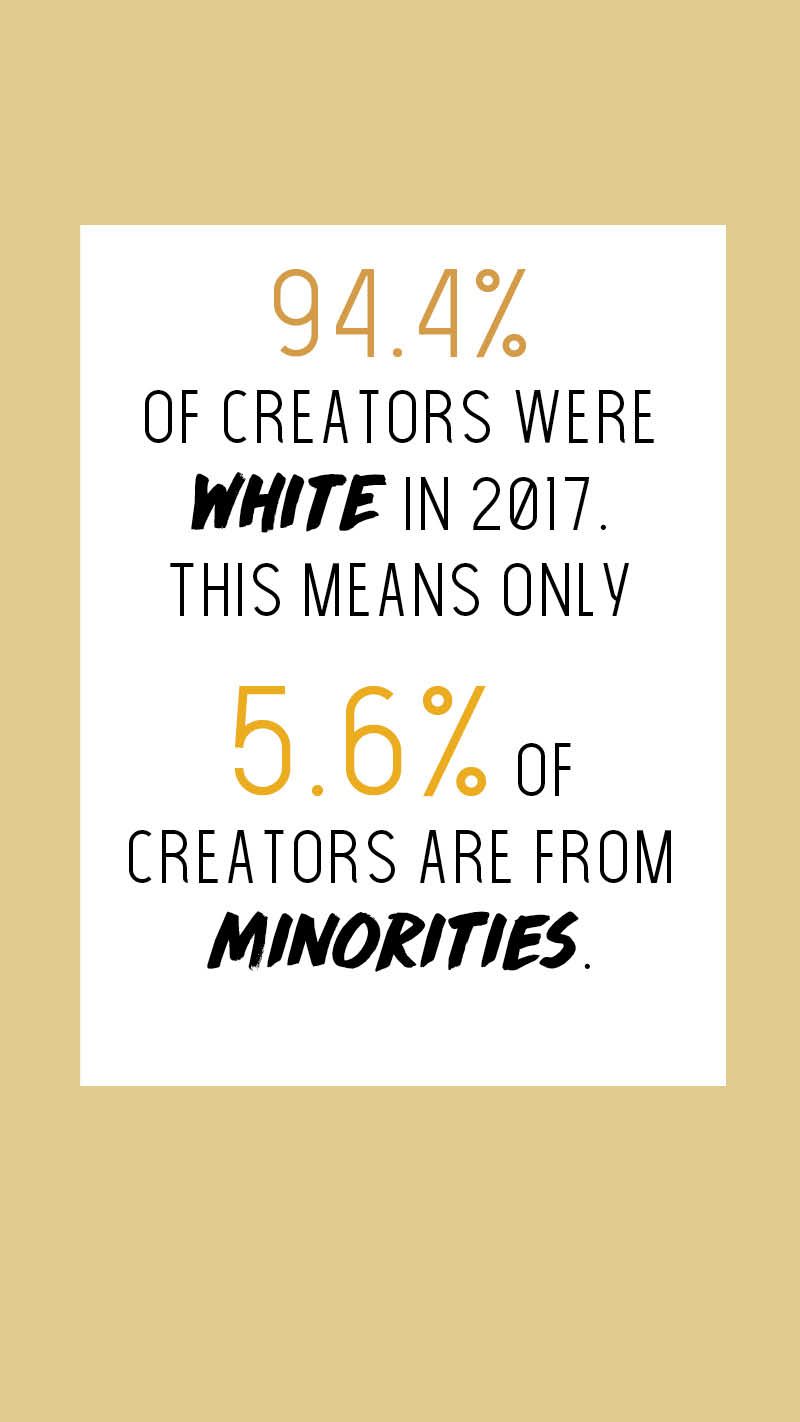

Melanie Ramdarshan Bold, a professor in Publishing and Book Cultures at UCL, highlighted in a report published in April 2019 how the publishing world in the U.K. was:
1) lacking in terms of visual representation of BAME characters, who represented only 1% of the main characters in books published in 2017;
2) lacking in its representation of coloured creators, as only 1.96% of children’s books creators were British people of colour from 2007-2017;
3) pushing coloured creators to self-publishing rather than other routes, with a third of unique titles by coloured creators being self-published, compared to 10.74% for white creators.
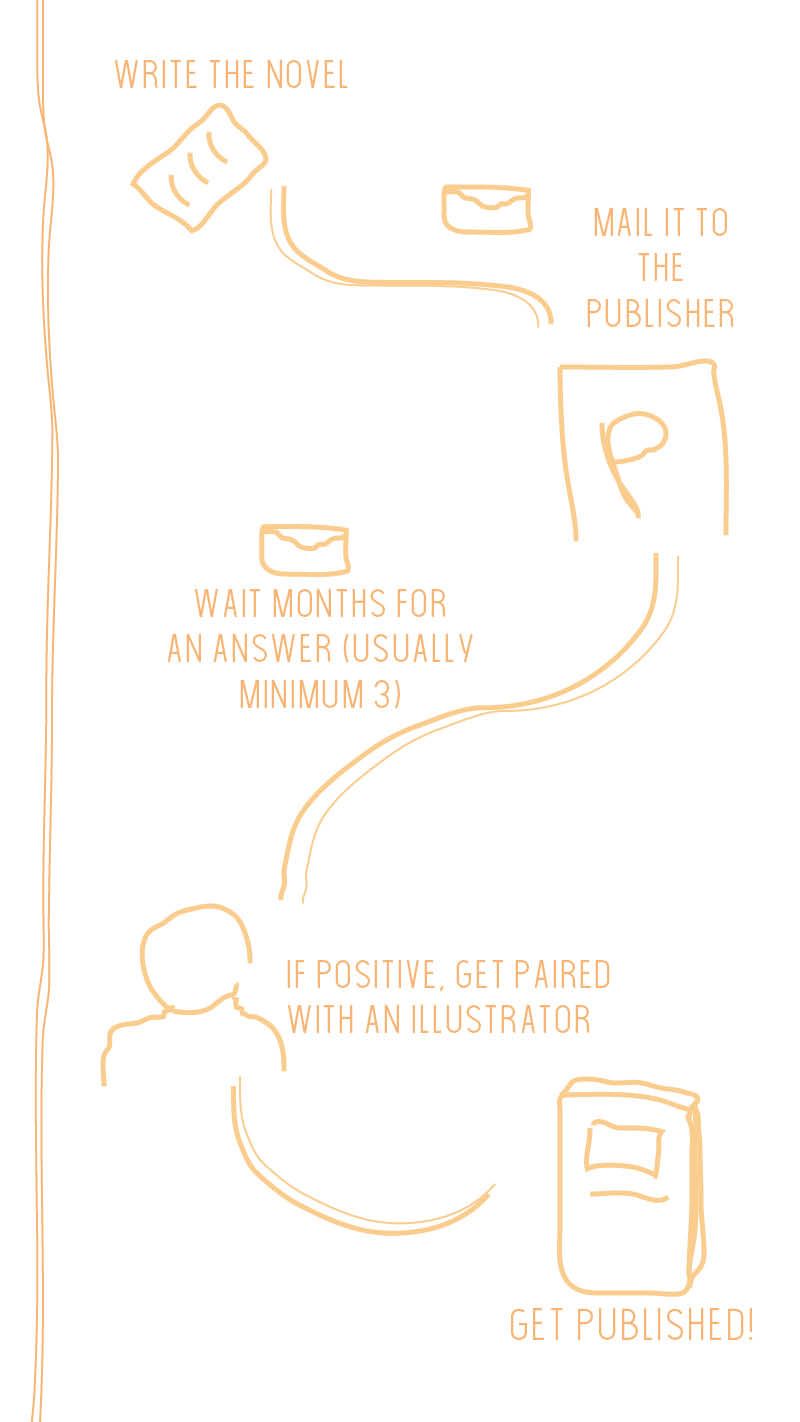
If I decided to self-publish, it was more due to the extreme time limit I had given myself. A publishing process can easily take two years, assuming I get an immediate answer to my proposal, which never happens. But, for many creators of colour, self-publishing is not necessarily a choice - it appears as the only option.
“You can’t visualise yourself in a role in this world until you see a representation of yourself in said role,” explained Dapo Adeola, an emerging black illustrator, in an interview to the Book Trust. Seeing Bernardine Evaristo, a black woman, win the Booker Prize in 2019 was like an electroshock to him - suddenly, he realised he could also be up there.
Giving representation matters enormously, agrees Emma Reynolds, a white and abled illustrator. She says, “It is vital that books featuring marginalised characters have the opportunity to just EXIST and be in fantastic amazing adventurous stories, without their struggle always being the topic of the book.”
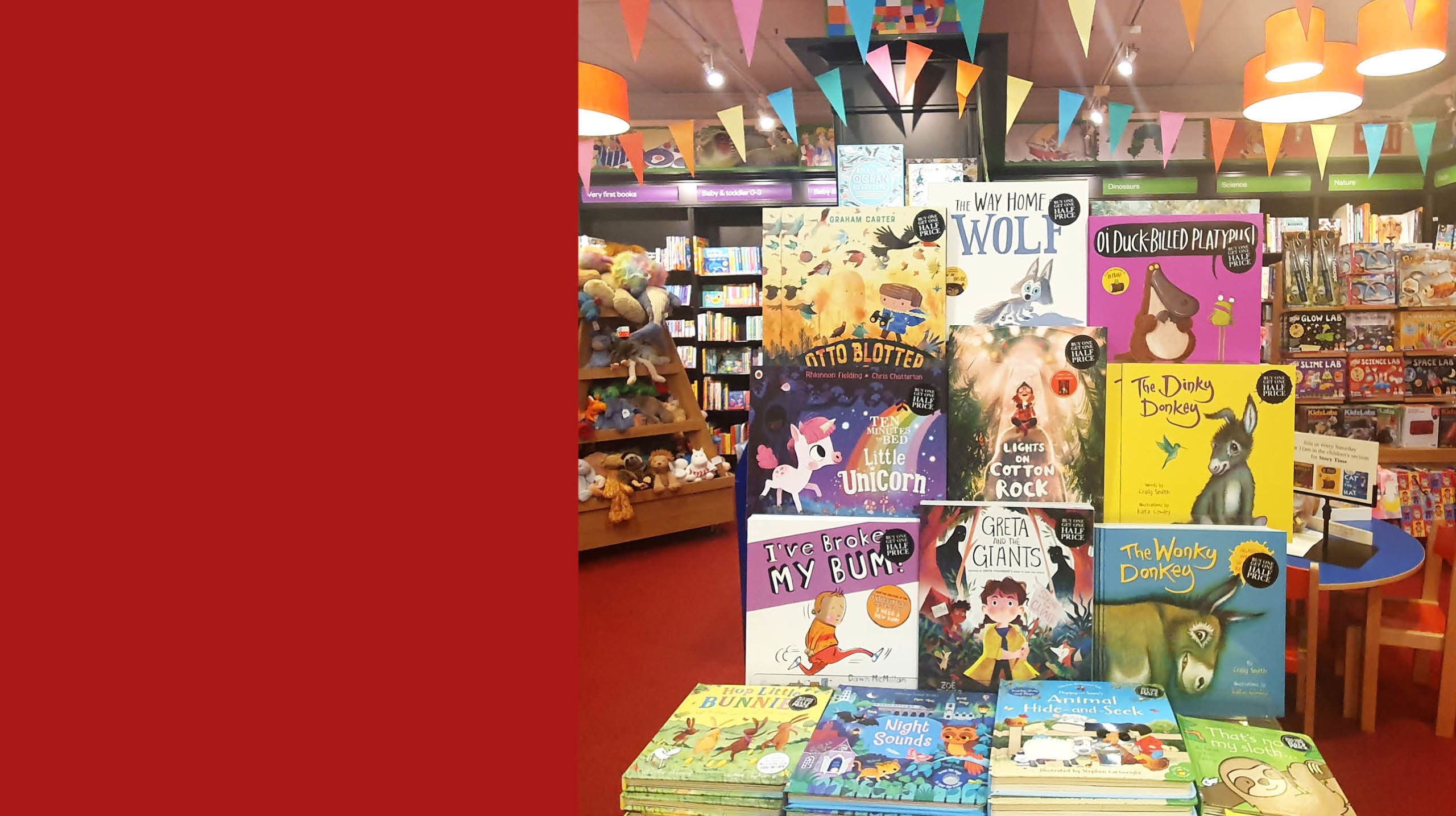
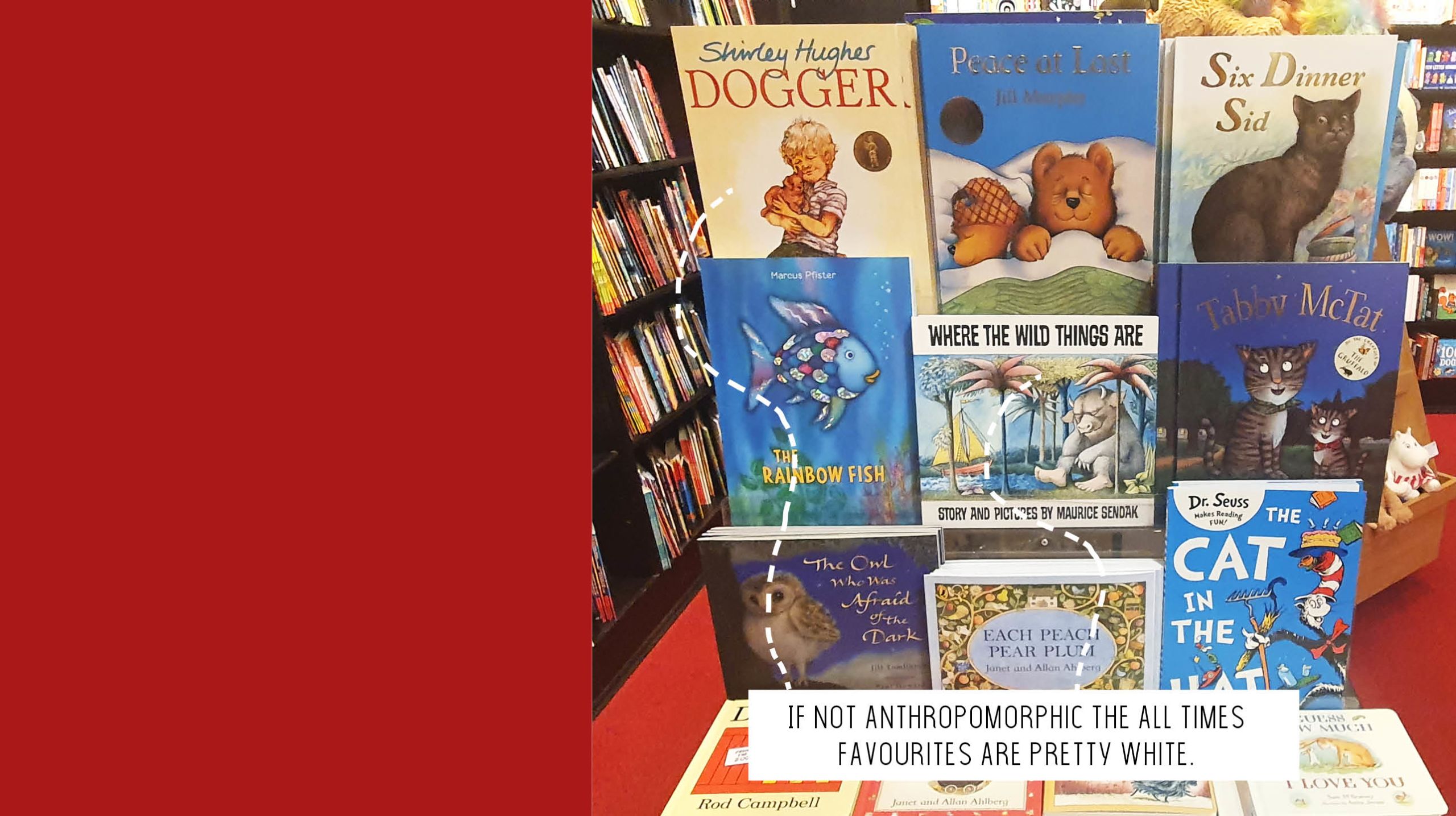
Regular trips to my local Waterstones and other independent bookshops convinced me that, as vital as it is to portray us, BAME characters need some digging to be found. And, frustratingly, two times out of three, the illustrator or writer of the book is absolutely white.
It is vital that books featuring marginalised characters have the opportunity to just EXIST
True, many publishers are making an effort forward. Notable are Penguin Books, encouraging unpublished and under-represented authors with their Write Now programme, or Faber’s Children’s Faber Andlyn BAME Prize, hoping to showcase BAME talent.
Still, as highlights Emma, “It is up to both publishers and picture book creators to know if they are the right author/illustrator to take on a particular book in the first place - to hire inclusively, and do the appropriate research.”


From the acknowledgment at the Oscars of the animated short film Hair Love, all about a young black girl’s hair, with the Best Animated Short award, to the success of Sulwe, a picture book by Kenyan-Mexican actress Lupita Nyong’o on colourism, it is clear that creations by minorities are successful, and necessary.
The demand for representation is high and social media shows it. Marley Dias, a black teenager, launched the #1000BlackGirlBooks campaign in 2015 in hopes to collect 1,000 books with black girls as main characters. In a couple of months, more than 9,000 were collected.
Yet, considering that "around 10,000 new children’s titles are published in the UK every year,” this number is only but a handful. If the number of coloured creators peaked in 2015 at an average of 7.8%, since then it significantly decreased to 5.6%. Already quite low, this percentage keeps on falling.

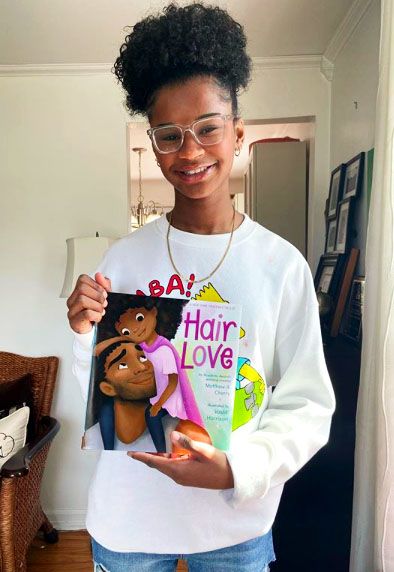
Creator of the #1000BlackGirlBooks campaign, Marley Dias holds up Hair Love, adapted into an award-winning short animated movie.
Creator of the #1000BlackGirlBooks campaign, Marley Dias holds up Hair Love, adapted into an award-winning short animated movie.
This video (and book) made me cry. Hearing my daughter watch all the traditional Disney princesses and wanting the long flowing locks made me wish so much harder for that perfect princess that looked just like her. She found so much joy in this video and really began to believe that her coils and puffs and curls were beautiful just like her! Thank you.
Chapter 2:
Where do I begin?
(a story of clichés and escaping whiteness)

On the fear of ‘creating for quotas’, Jaheed Hussain, a freelance graphic designer who set up FUSE, a directory of creators from ethnic minorities in Manchester, says, “It's difficult because first and foremost, it has to be something you can truly believe in and put 110% into. At times, it will eventually feel like it might not be working or fail to come to fruition but you have to have the tenacity to keep on going.”
Keeping his words in mind and following Emma’s advice of soaking up the current sector, I roamed through the children sections of libraries, stalked the posts of bloggers and #bookstagrammers. Space exploration was, as always, terribly popular in the four-to-seven year-old sector.

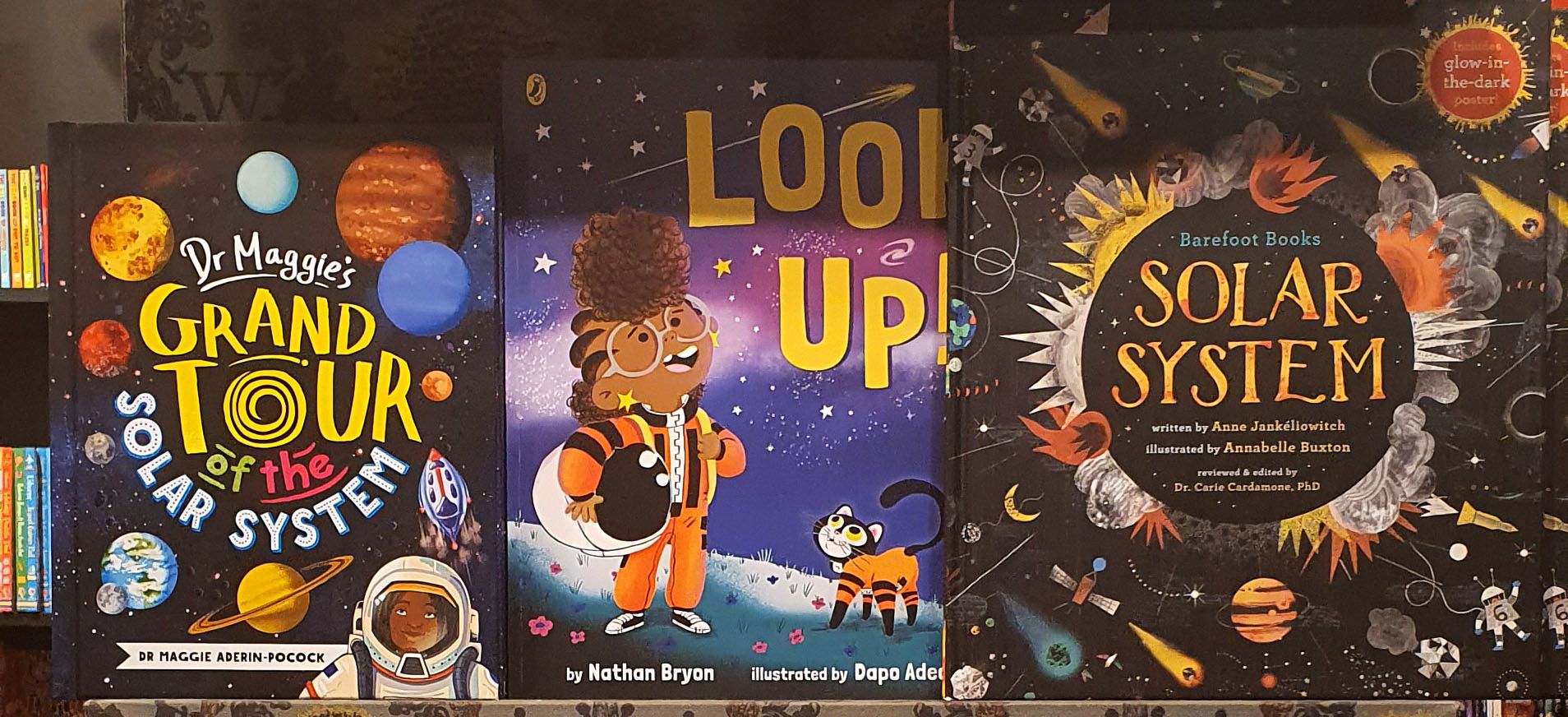
Dapo Adeola realised when Bernardine Evaristo won the Booker Prize that he could also aim for more; his first illustration book, Look Up!, is in the first line of the stands
Dapo Adeola realised when Bernardine Evaristo won the Booker Prize that he could also aim for more; his first illustration book, Look Up!, is in the first line of the stands
From Look Up!, to What Are Stars? and The Spacesuit, black kids roam the planet and outer space. Yet, if space is popular, in 2019, journalist Ashley Fretters deep dived in the sector to find out BAME kids were never in the wild - a theme oh-so-popular in children’s books (Where the Wild Things Are, anyone?).
“Editors choose original, lively material – something witty, innovative and pacey,” explains Chris Kloet, Editor-at-Large at Walker Books. “They look for polished writing with a fresh, contemporary voice that speaks directly and engages today’s critical, media-savvy young readers.”
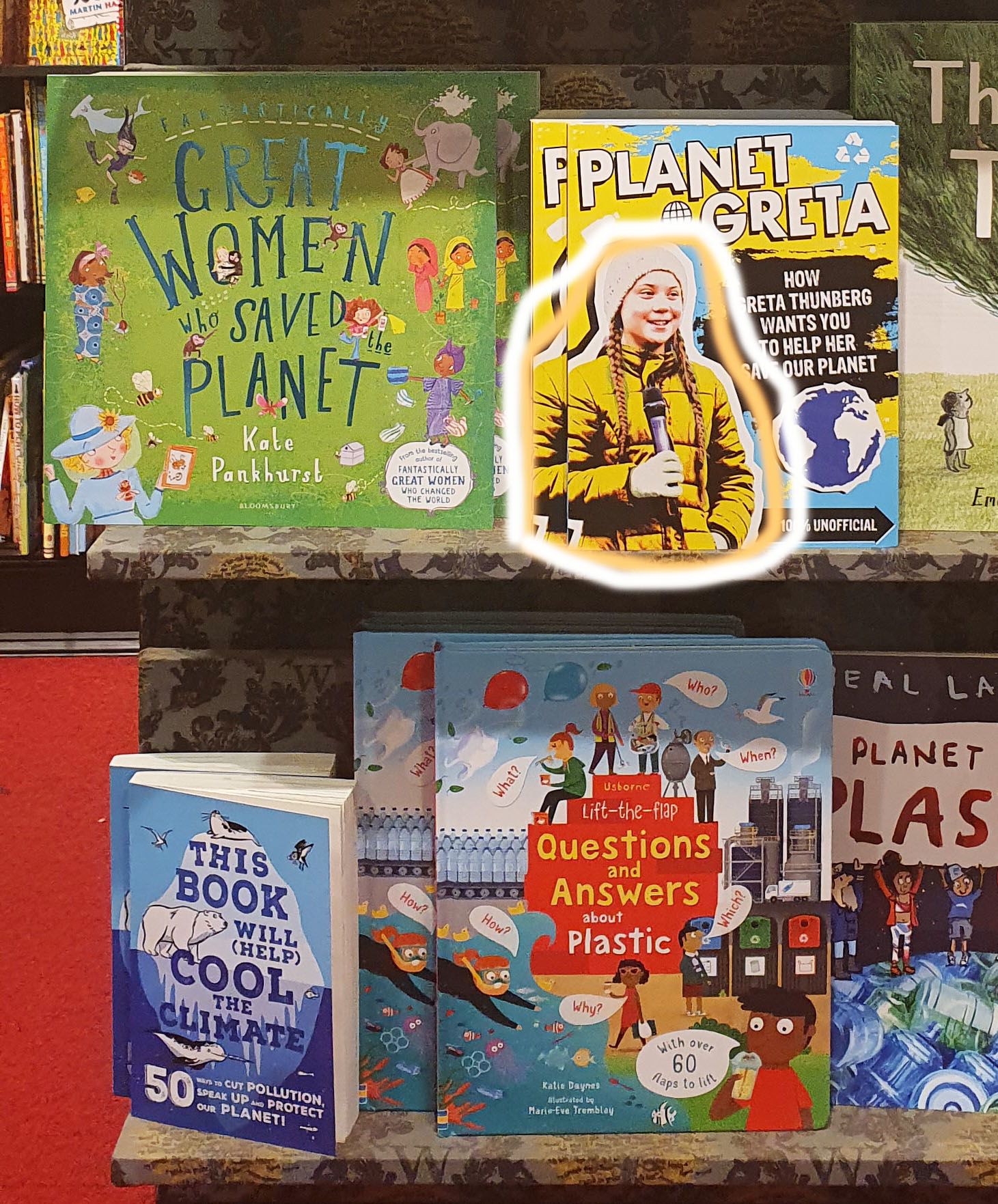
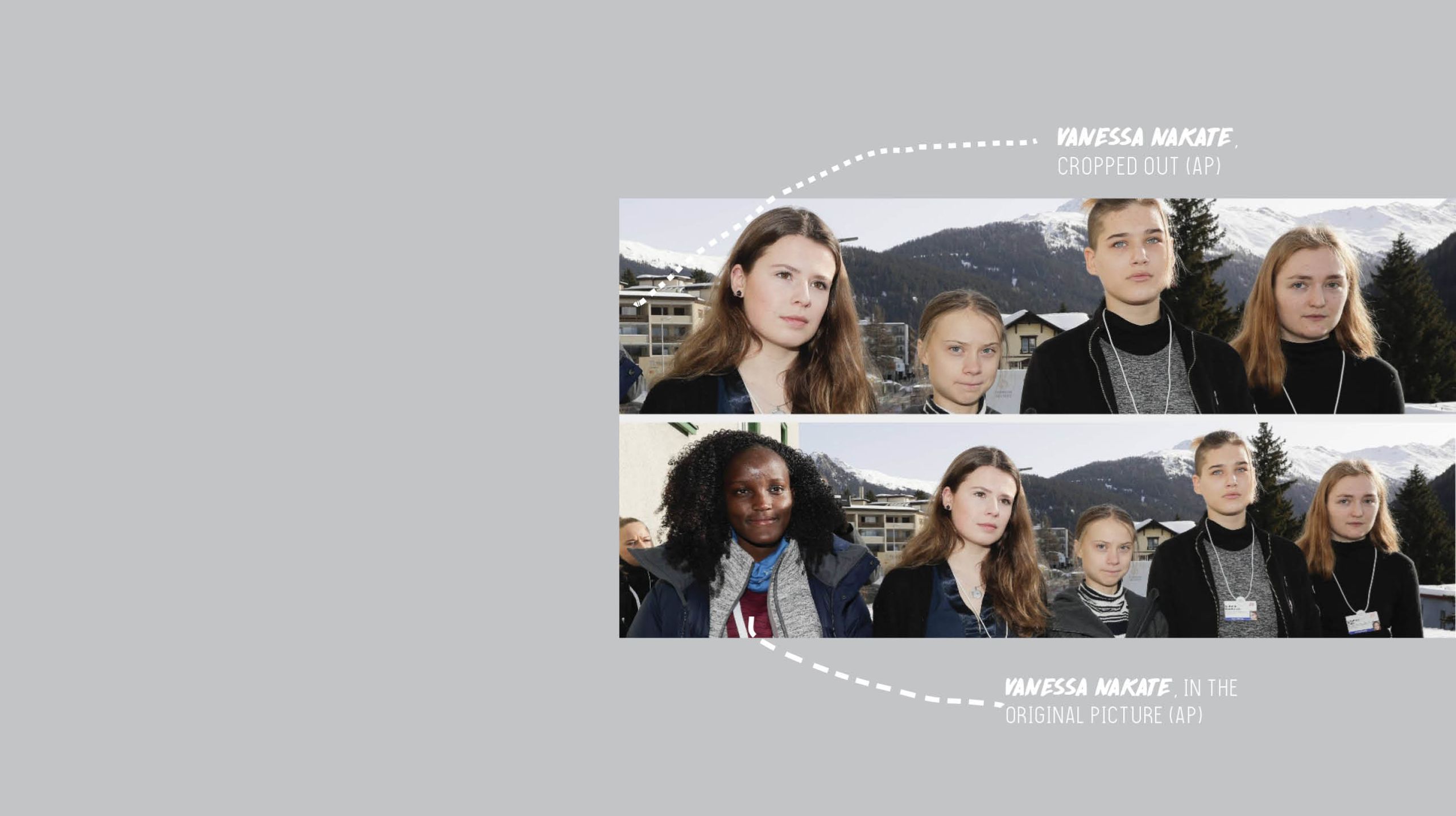
Not surprising, then, that climate change is a huge trend in children’s books, owning the first stands in the stores. Yet, all the heroes are, once again, very white, very Greta-esque. And that’s not a shade on Greta - but it’s a hard one to swallow, even more so when we remember the Associated Press’s accident earlier this year, where they ‘mistakingly’ cropped Vanessa Nakate, a Ugandan activist, out of a group photo.
Writing on such an important topic targeting kids can be daunting.
Cordélia, 26, a French writer, tells me, “It’s not that different to write for adults than it is for kids. You only have to adapt your style slightly, adapt your references, and maybe tackle some themes with different angles.”
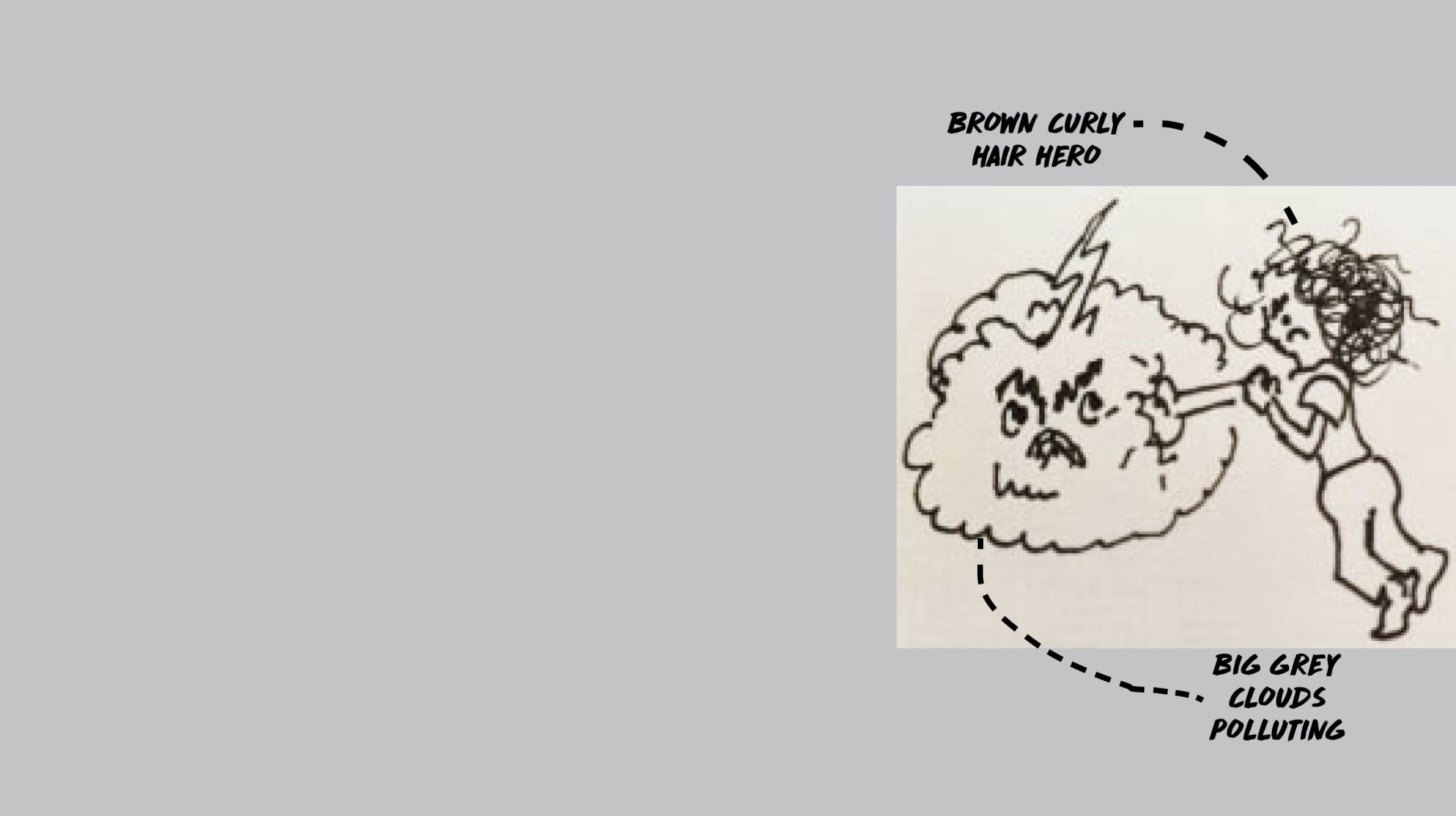
Following their advice, I opted for the metaphor of ‘big grey clouds’ to tackle the crisis while staying away from hard-facts terms such as carbon emissions.



Chapter 3:
Big Brown Eyed Girl
(a story of childhood memories and Lebanese legends)

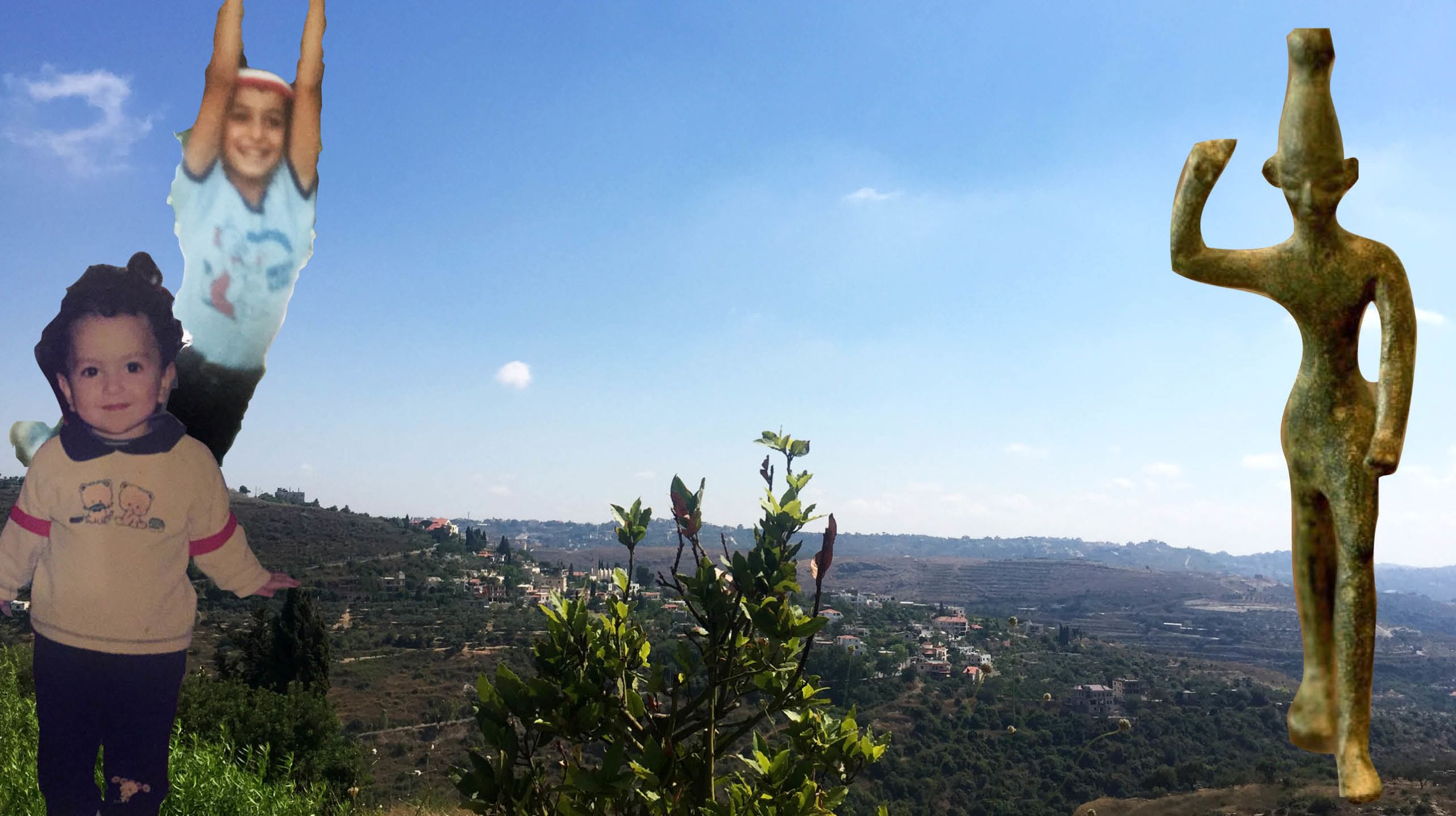
Delphine B., a specialist in kids’ publishing, suggested the use of anthropomorphism, giving human traits to non-human entities, to ease up the process. Even if frequently used in children’s books, visually, we would still be shying away from putting brown characters first. For Leïla and the big grey clouds, we wanted a book that finally celebrated us. My small hero was going to fight for the planet, with a very brown spirit.
Googling myths and legends from Arab countries, I stumbled upon a tale from Byblos, a city in Northern Lebanon, about Adonis, semi-god, and Baaltis, the Phoenician Aphrodite. An old forgotten tale – perfect to embrace my Hans Christian Anderson spirit.
They were also places I could visualise, legends I felt an attachment to. Now, it was time to get writing, visualising kids from villages I spent my summers in, popping up throughout the story.
I was lucky enough to be able to plan everything I wanted with my illustrator, Rim Assi, also Lebanese. From the way my little hero dressed, to the shape of her curls and the colour of her dress, we could make sure we were well represented, both in the designs and the story.
If something feels off, suggests Jaheed, ask for advice from those concerned. "Nine times out of ten,” he says, “they will help you realise any cliches you may have accidentally created, and revert it."

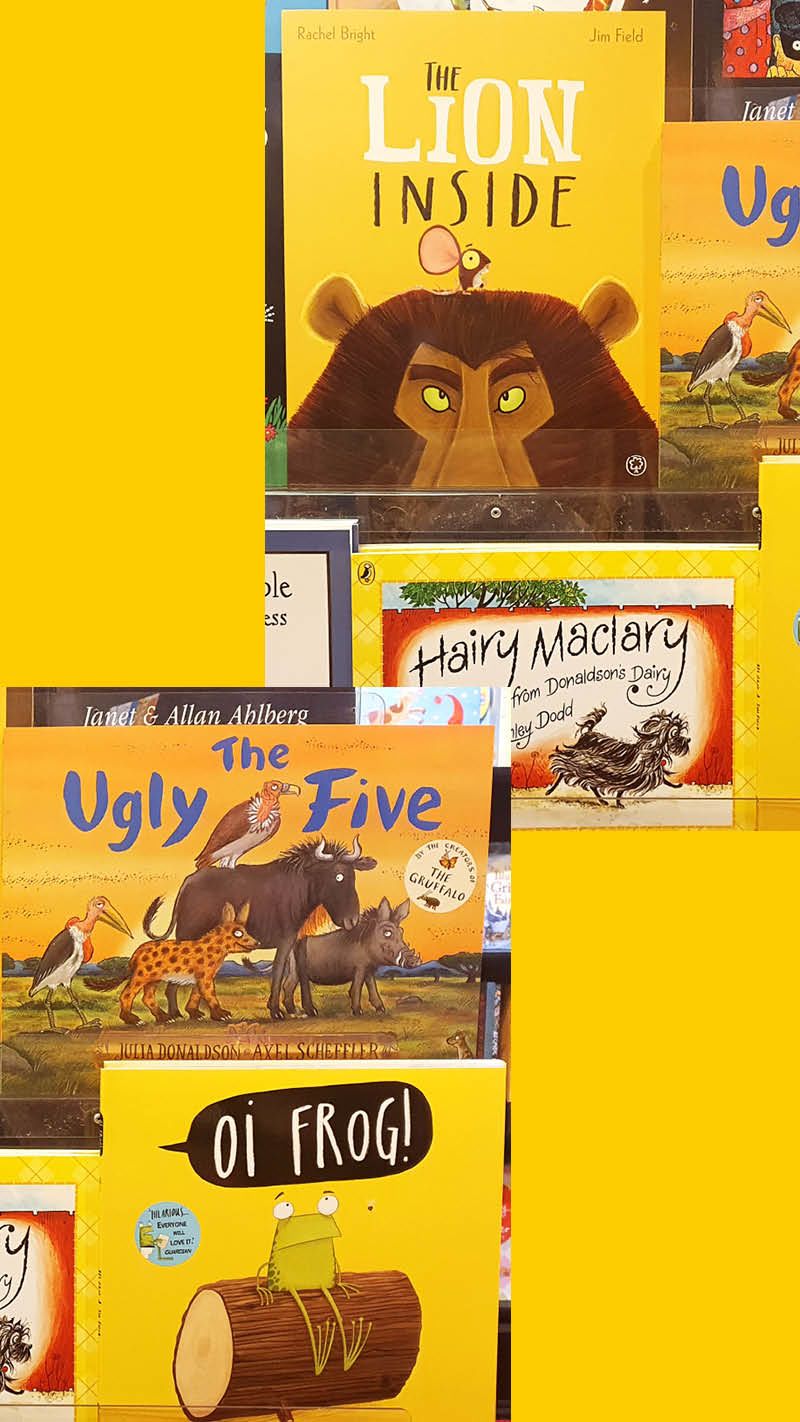
Anthropomorphism is still the main contender, and in March, it was heavily yellow and exotic!
Anthropomorphism is still the main contender, and in March, it was heavily yellow and exotic!

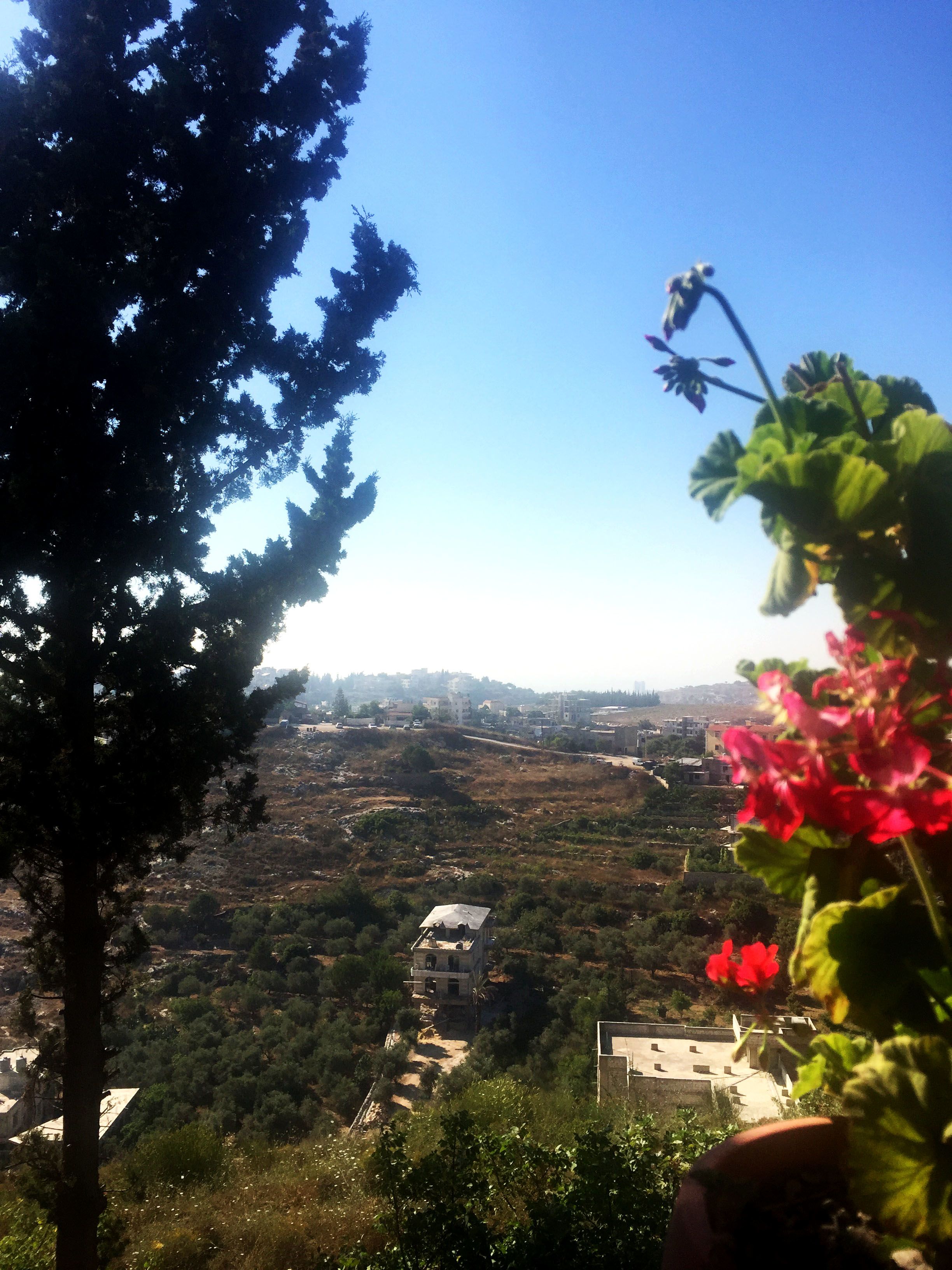
View from my childhood's home in the Chouf region of Lebanon
View from my childhood's home in the Chouf region of Lebanon
From the early sketches....
... to the first design, thought of by Elena A.,....
And the final version, by Rim Assi, Leïla and the big grey clouds was a thorough collaborative work.
Epilogue
Leïla and the big grey clouds
(the story of a star seamstress and her fight against pollution)

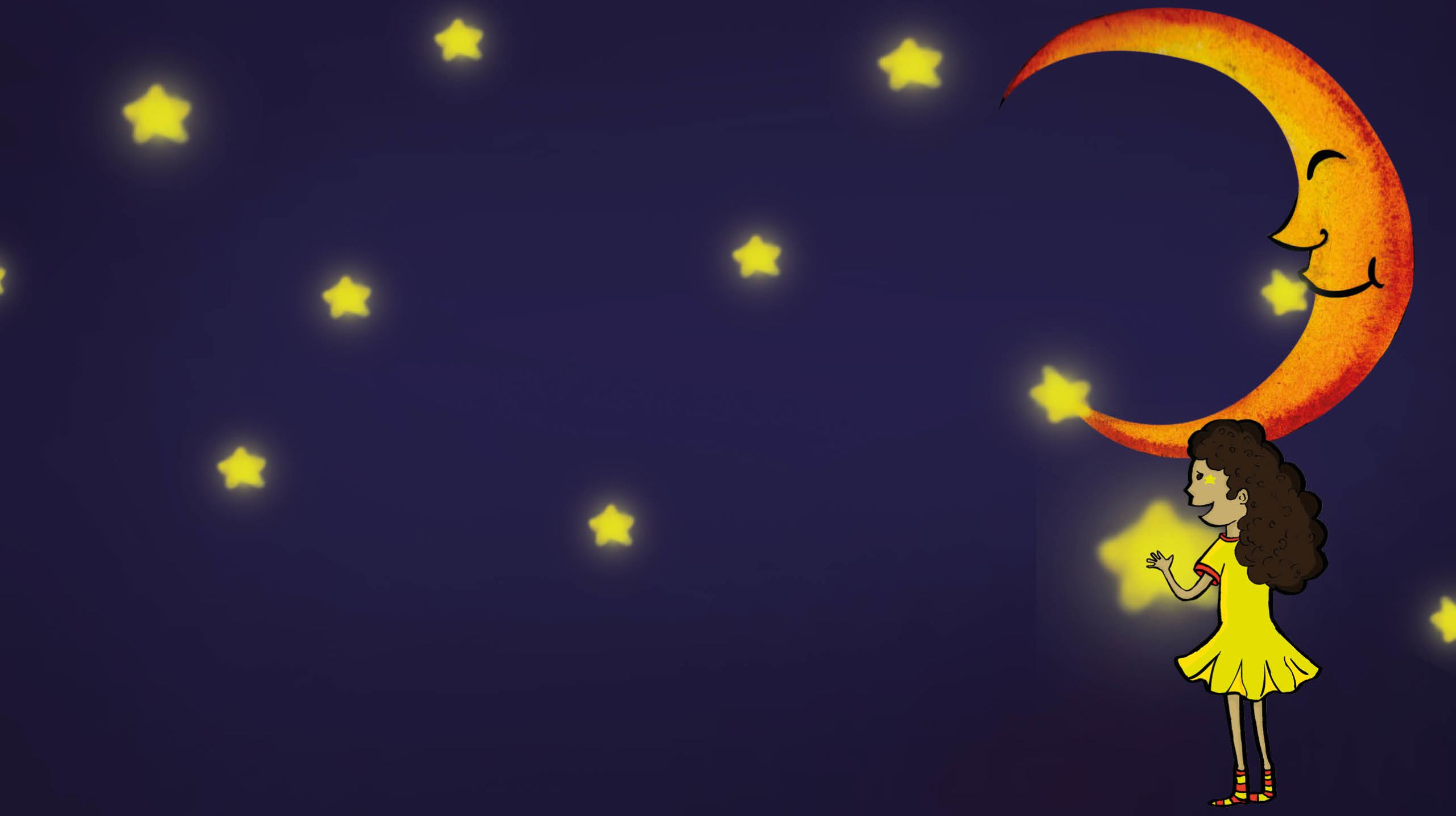
Leïla, then, made readers smile as she climbed up Mount Lebanon to seek Adonis, the harvest god. With their powers combined, Leïla was hoping he would help her win against the big grey clouds, monsters of pollution, that were blocking the view of her stars. A climate-engaged read, with a tale from another land – my land.
More than a fight against my laziness, and a test of my endurance to see how long I could keep my terrible attention span on a single project, this picture book made me rethink how important representation is. And not only a representation that focuses on issues minorities suffer from. It’s important, yes. But showing that minorities are invested in everything else is as key.
"It's a case of being represented in the Arts," concludes Jaheed. "Something as simple as having a dedicated bookshelf, to authors of colour in a bookstore, does wonders for children coming from under-represented backgrounds."
Leïla and the big grey clouds is published on Amazon.
 Built with Shorthand