
How I made three of the UK's most popular global cuisine dishes for just £15
Authentic and flavourful cooking doesn't always have to come with a hefty price tag

Cooking is my creative outlet. It’s a place where I can experiment with flavours, ingredients and ideas to create new, exciting dishes – fuelling a hunger for what I might produce next. It is the gift that keeps on giving.
However, I’m ashamed to admit that when it comes to world cuisine cooking I tend to stick to what I know; fajitas and jars of curry sauce. I wish I was more experimental, but I know that many world cuisine dishes require ingredients that aren’t your typical household products – be it spices, herbs, or a particular type of breadcrumb.
In fear of the cost, I often end up compromising the diverse, exotic flavours of world cuisine cooking for whatever my tight budget can cater for. While pesto pasta and baked beans on toast are delicious, the novelty tends to wear off when you're on your fourth tin of beans in five days.
And I’m not the only one compromising exciting, cultural dishes for budget-friendly meals. As the price of food and non-alcoholic beverages rose by 17.4% in the year to June 2023, 51% of UK adults said that they were buying less food when stocking up on supplies.
But who said cost-effective cooking has to be boring?
The challenge
With this in mind, I’ve decided to re-create the UK’s top three cheapest world cuisine dishes; as researched and compiled by Kelly Loves.
Founded by entrepreneur Kelly Choi, Kelly Loves shares clean, authentic Japanese and Korean recipes inspired by traditional Southeast Asian cuisine. Acknowledging UK food inflation, Choi researched how much it would cost to re-create each of the UK's most popular global cuisine dishes at home to prove that cooking can be exciting, yet affordable.
Pizza topped the leaderboard as the most cost-effective dish, at an estimated cost of £1.10 per portion. I was excited to see that Korean green onion pajeon (£1.76) and Japanese yakitori (£1.97) were the second and third contenders, being dishes I hadn’t heard of, let alone made.
From this challenge, I’m hoping to prove that it’s possible to create cost-effective meals without skimping on those mouth-watering, culturally authentic flavours.

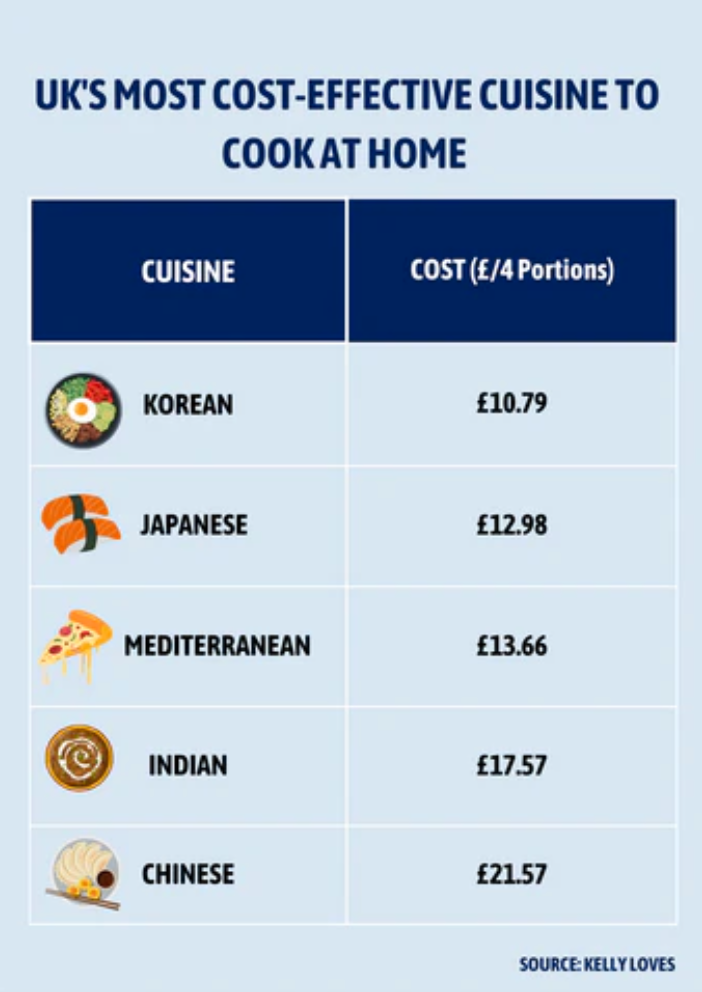
Kelly Choi, owner of Kelly Loves, researched the UK's most cost-effective cuisines and dishes to cook at home
Kelly Choi, owner of Kelly Loves, researched the UK's most cost-effective cuisines and dishes to cook at home

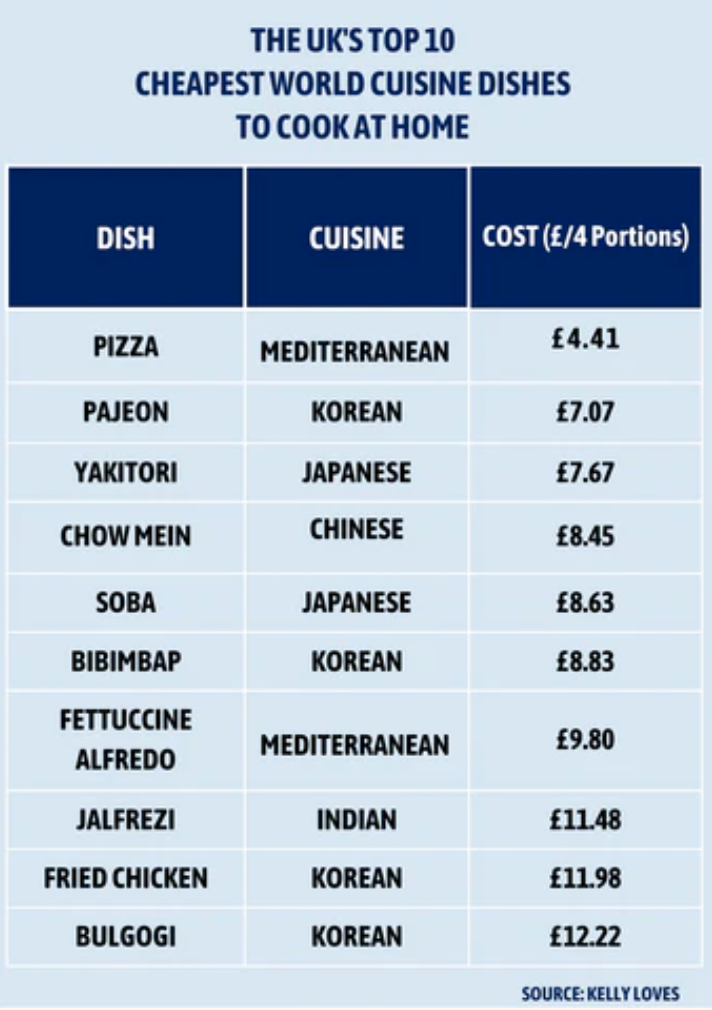
Kelly Choi, owner of Kelly Loves, researched the UK's most cost-effective cuisines and dishes to cook at home
Kelly Choi, owner of Kelly Loves, researched the UK's most cost-effective cuisines and dishes to cook at home

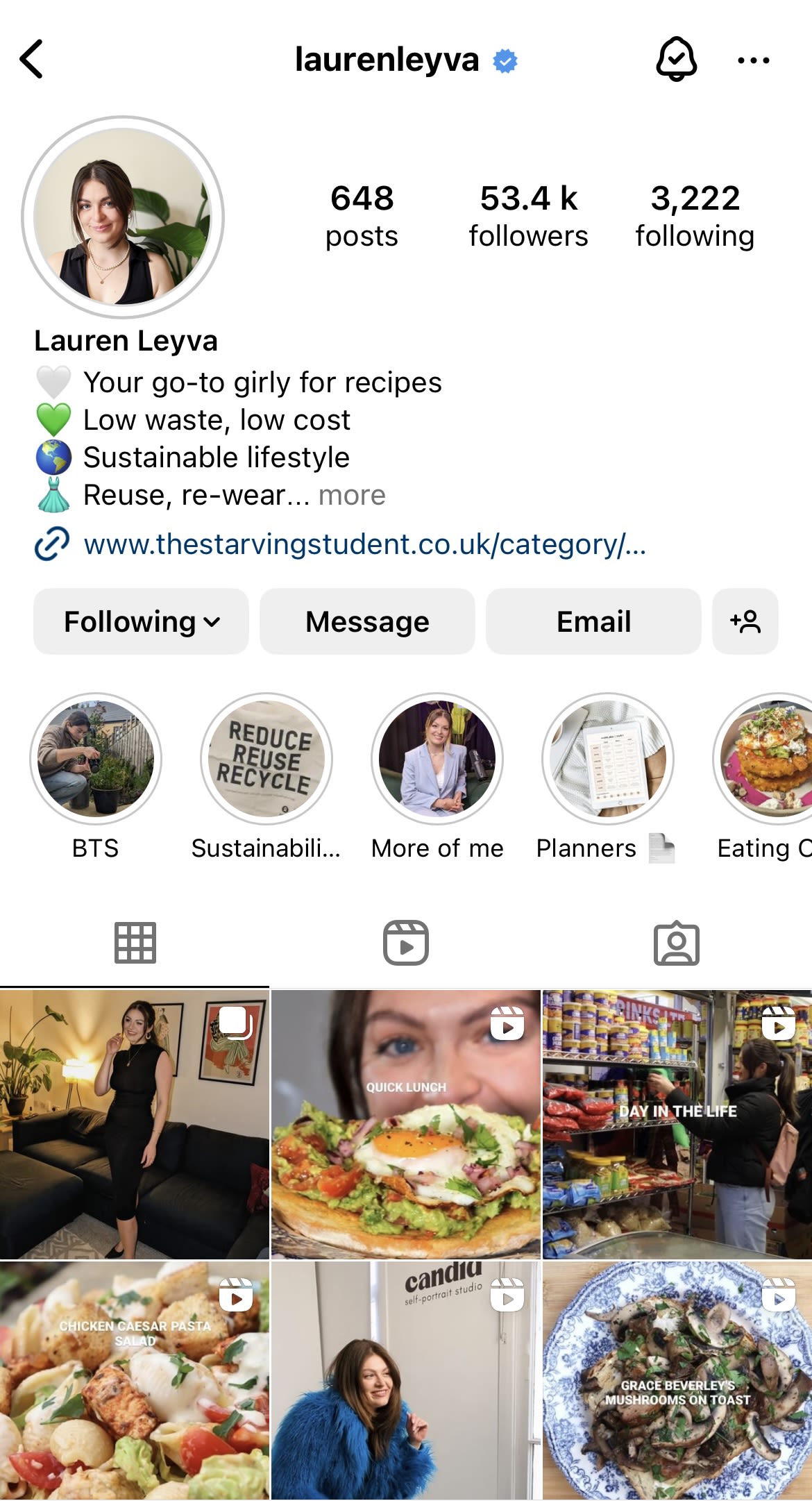
Lauren set up her Instagram account in 2019 as a place to share the meals she was cooking at university
Lauren set up her Instagram account in 2019 as a place to share the meals she was cooking at university

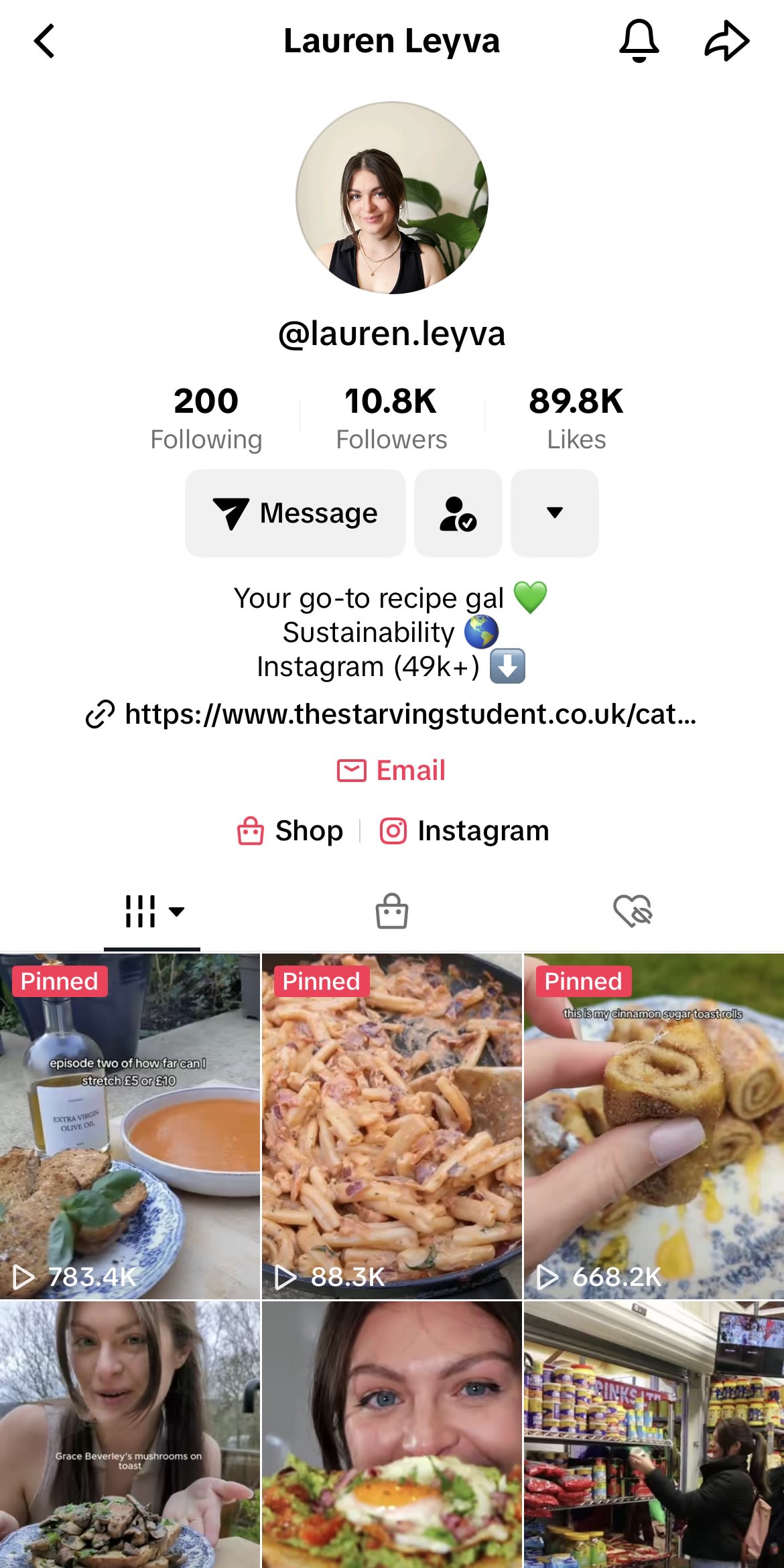
Lauren now shares low-cost, sustainable cooking recipes to an impressive 53,000 followers on Instagram, and 10,000 followers on TikTok
Lauren now shares low-cost, sustainable cooking recipes to an impressive 53,000 followers on Instagram, and 10,000 followers on TikTok
Words of wisdom
Seeking advice on how to keep costs to a minimum, I spoke to budget-cooking specialist Lauren Leyva; a 25-year-old recipe developer from Sheffield. Having started her Instagram account back in 2017, Leyva shares low-cost, low-waste and sustainable recipes to her 52,000 followers. “I don’t want to cook something that I’m sharing with thousands of people, and isn’t accessible to everyone. And I think now, with the cost-of-living crisis, people really appreciate it,” Leyva said.
When asked how best to approach low-budget cooking, Leyva told me to look at my ingredients, and ingredient branding. “When you go supermarket shopping, look at the bottom shelves because that’s where they keep all the budget supermarket brands.
“Try and avoid meat and fish because they tend to be more expensive,” she advised.
When it comes to shopping on a budget, Siobhan Broderick, PA to the CEO of the Fed Line Project had similar ideas; “The key to using your money well is sitting down, working out your meals, and identifying the places where you can buy those items at the best price that you can,” she said.
By offering long-term support to individuals living in financial hardship and poverty through cookery programmes, the Fed Line Project aims to empower and educate food bank service users on how to make the most of a tight budget.
“Shopping on a budget has peaked because of the cost-of-living crisis, and people do need help and education about it,” Broderick said.
All the gear and no idea

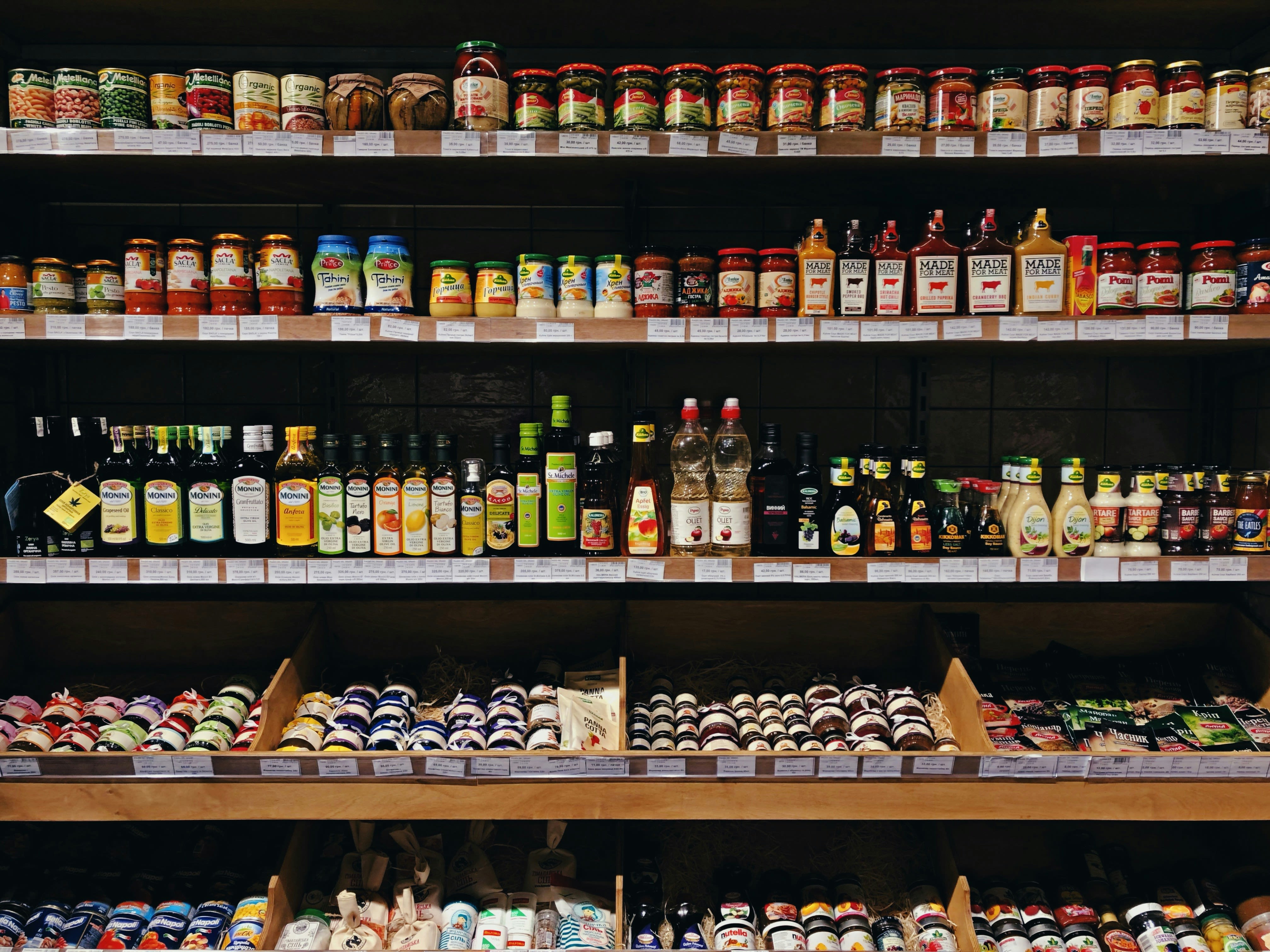
The total cost of ingredients for all three meals came to £15 (£15.19 if we’re being precise).
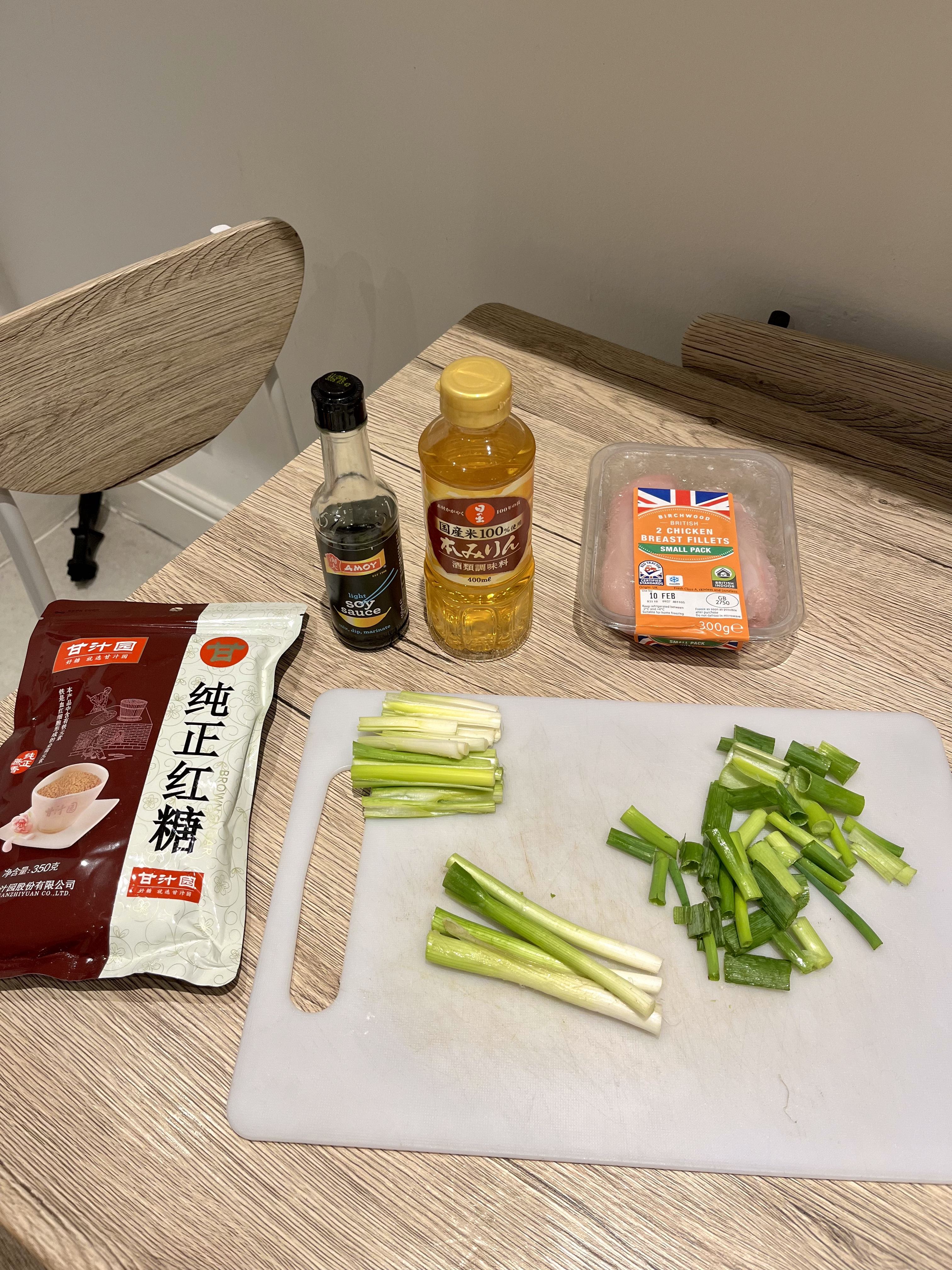
Between Tesco and Lidl I spent £3.74 on two chicken breasts, spring onions, and self-raising flour. For the more specific ingredients, I headed to the local Asian grocery store.
“My shop is quite unique, so when people need something specific, my shop is their top thought,” said Jason Park, owner of Cardiff Korean and Japanese Foods.
Here, a bottle of mirin, Korean pancake flour and dark brown sugar came to £11.45. Despite initially being taken aback by the price, Leyva was able to affirm it would be worth it.
“I know these can be a bit more expensive, but they’ll last you a long time,” Leyva reassured me. “If you’re looking to enjoy those flavours and diversify your meals, you have to invest in those spices and condiments.”
Ingredients to hand and advice taken onboard, I was ready.
Here’s how I got on.
Dish 1
Pizza
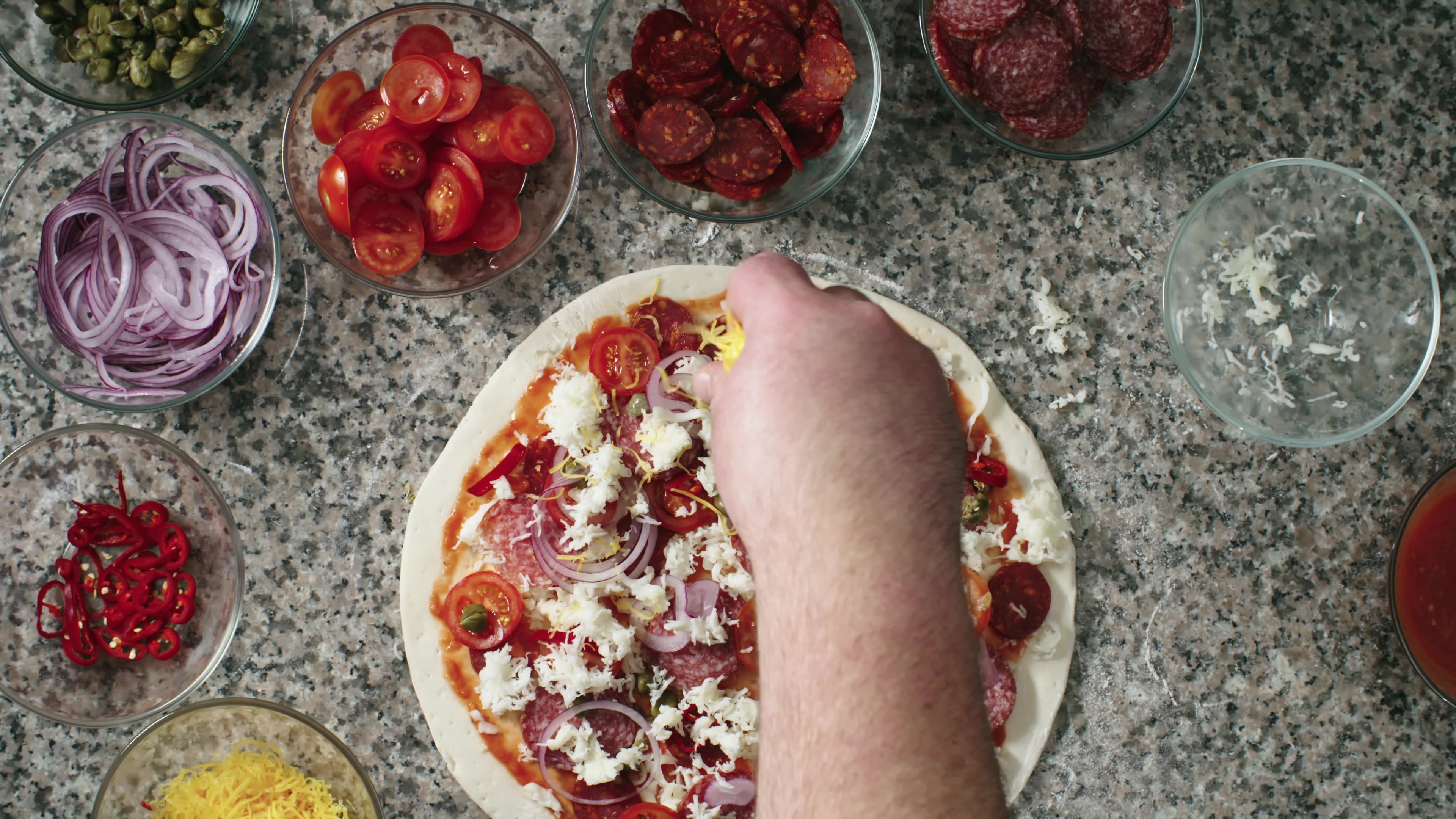

What’s more fitting than pizza on a Friday night?
Despite never having made pizza dough before, I felt this would be easy enough. I mean, it’s just sprinkling toppings on some dough and popping it in the oven. Right?
Still, I decided to rope my housemate in tonight for support. “We always make pizzas from scratch at home,” she told me, filling me with confidence that this might actually be a success. Having sacrificed her Friday night to make pizzas at home with me, I (rather generously) allowed her to make her own pizza, using my ingredients.
I chose to use a recipe published by ‘Save the Student’, purely because it required minimal ingredients and was written with tight-budgets in mind. My housemate raised an eyebrow when I told her the recipe didn’t need yeast, but she was willing to let it slide.


Save the Student's pizza recipe costs £1.75 per portion, using the staple household ingredients of cooking oil, self-raising flour, salt and water
Save the Student's pizza recipe costs £1.75 per portion, using the staple household ingredients of cooking oil, self-raising flour, salt and water
Watch how I got on with making pizza from scratch and on a budget
Watch how I got on with making pizza from scratch and on a budget
Admittedly, I didn’t have high hopes for a four-ingredient dough made of self-raising flour, salt, oil and water, but it worked. After a vigorous arm workout, the dough managed to stretch into a thin, rectangular base. Given that (in the absence of a rolling pin) much of the shaping took place with a small vodka bottle, we were impressed.
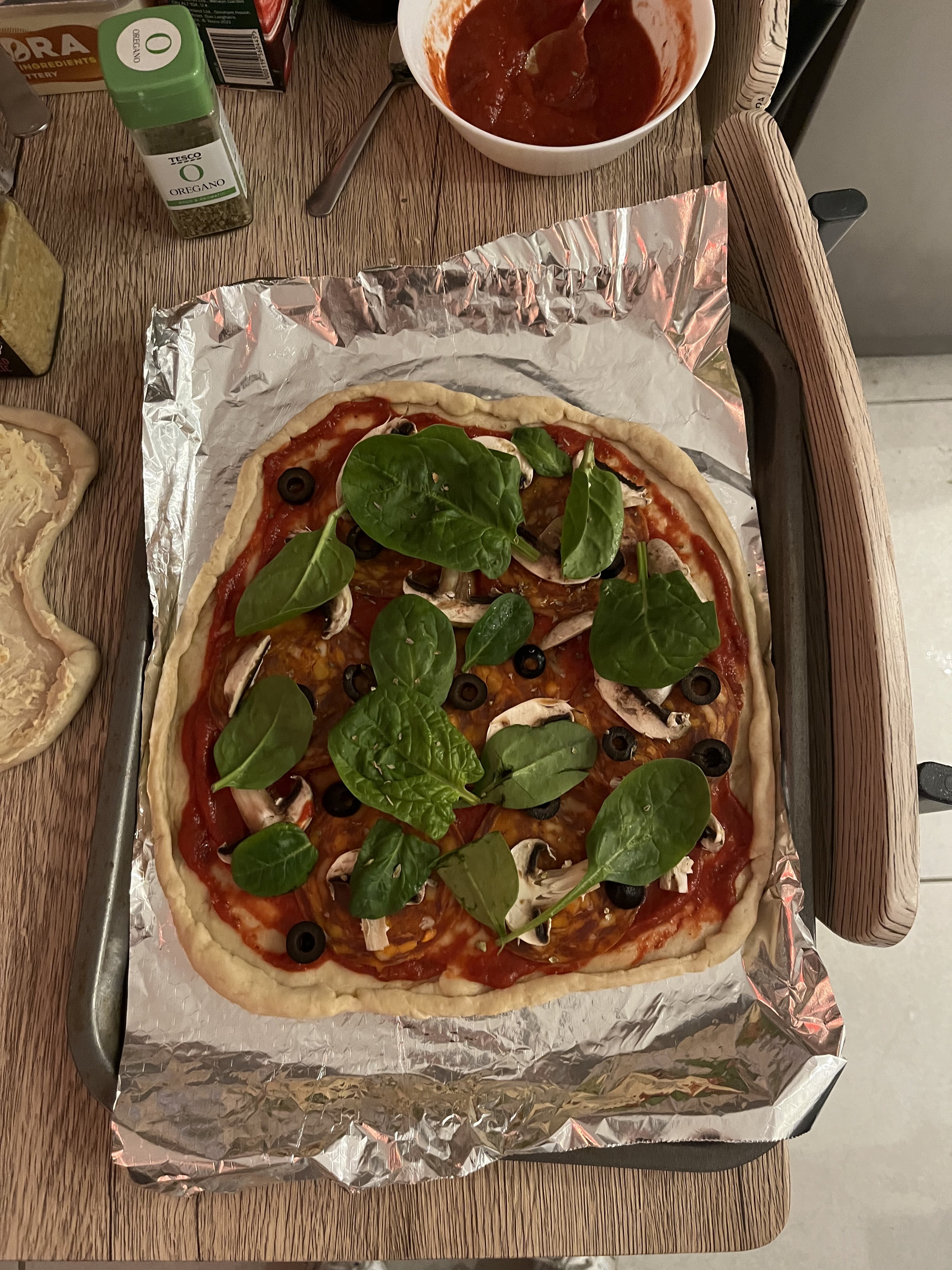
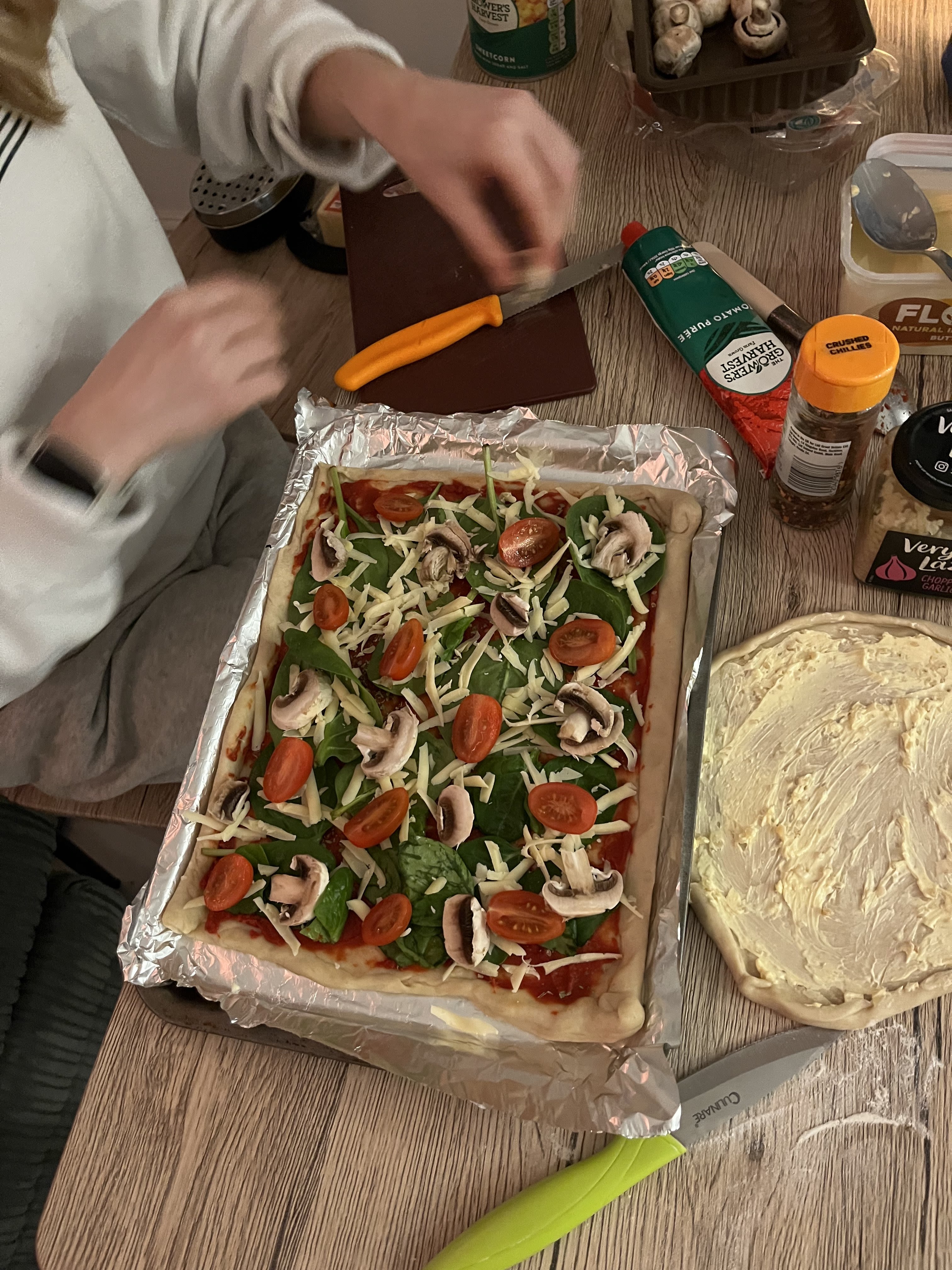
I covered the base with tomato puree, cheddar cheese, and mixed herbs. Tomato puree is a cupboard essential in my eyes, being cheap and versatile (59p in Tesco). For toppings, I went with whatever I could find; half a tin of sweetcorn, a handful of spinach, mushrooms, and some tomatoes I found rolling around the bottom of the fridge. Waste not, want not.
“I don’t think people realise it’s a skill to make good pizza. Like it’s actually really difficult,” my housemate helpfully commented as we passed 30 minutes of our pizzas being in the oven. Despite having pre-heated the oven at 200º prior to cooking, the dough crumbled in my hands as I lifted it to check its soggy bottom. In the end we left both pizzas in there for around 35 minutes; until the toppings darkened in colour.
Still, I marvelled at my creation. Sprinkled with chilli flakes, my pizza actually looked quite impressive. The flavour? Burnt. But nothing that ketchup can’t fix. Given that this meal cost me £0.90 by using ingredients I already had, I can't complain.
- Results: 7/10
- Taste: 7.5/10
- Cost: 8/10

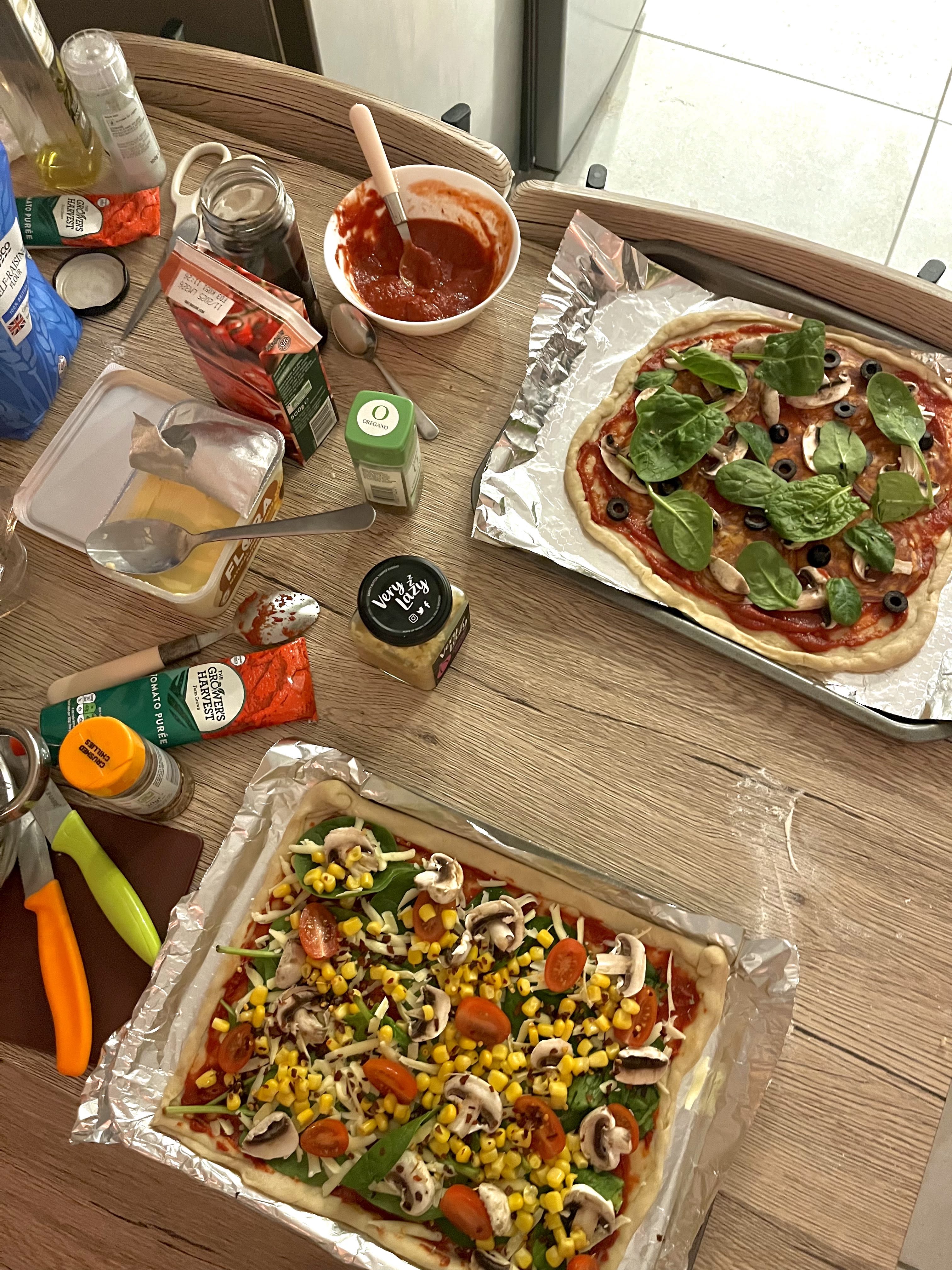

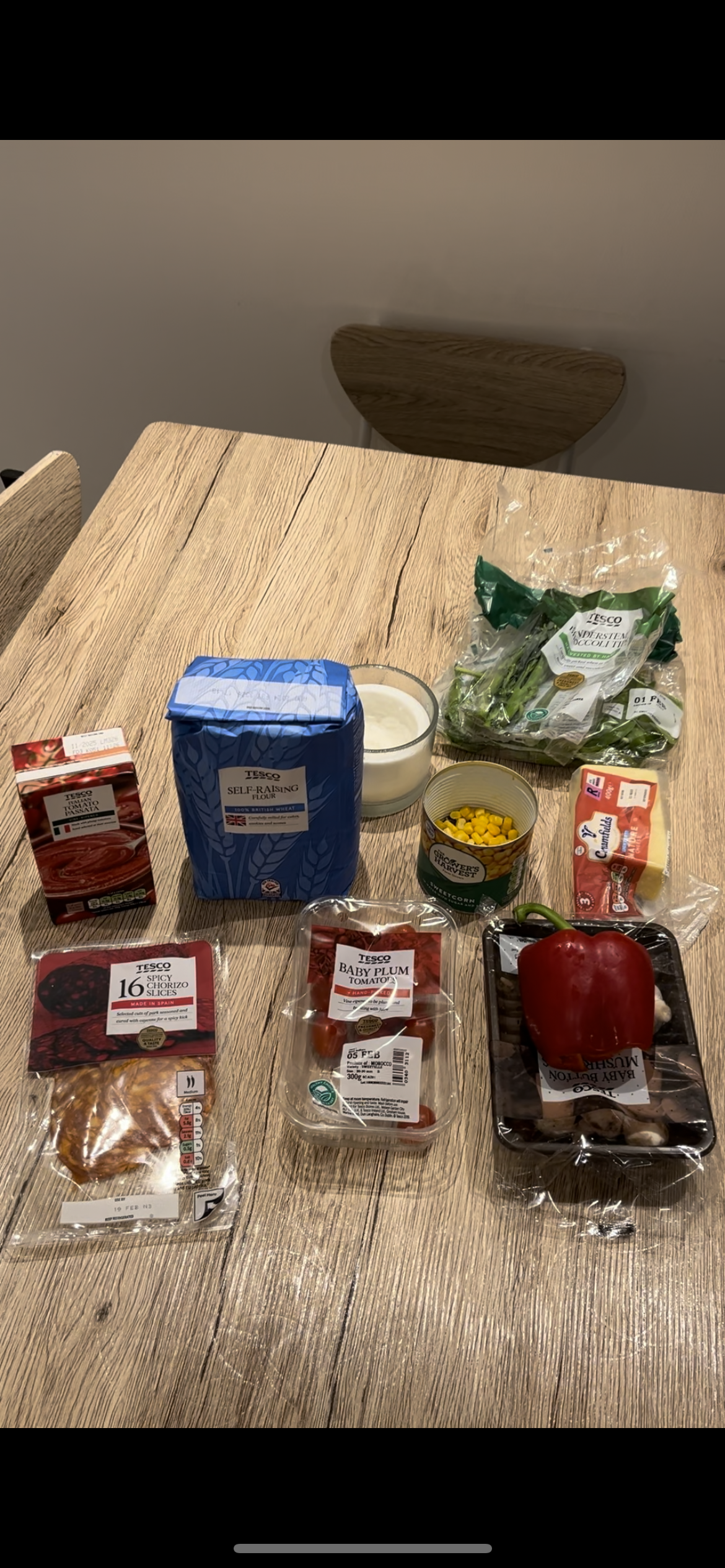
Many of the pizza ingredients I already had, making the meal considerably cheaper
Many of the pizza ingredients I already had, making the meal considerably cheaper
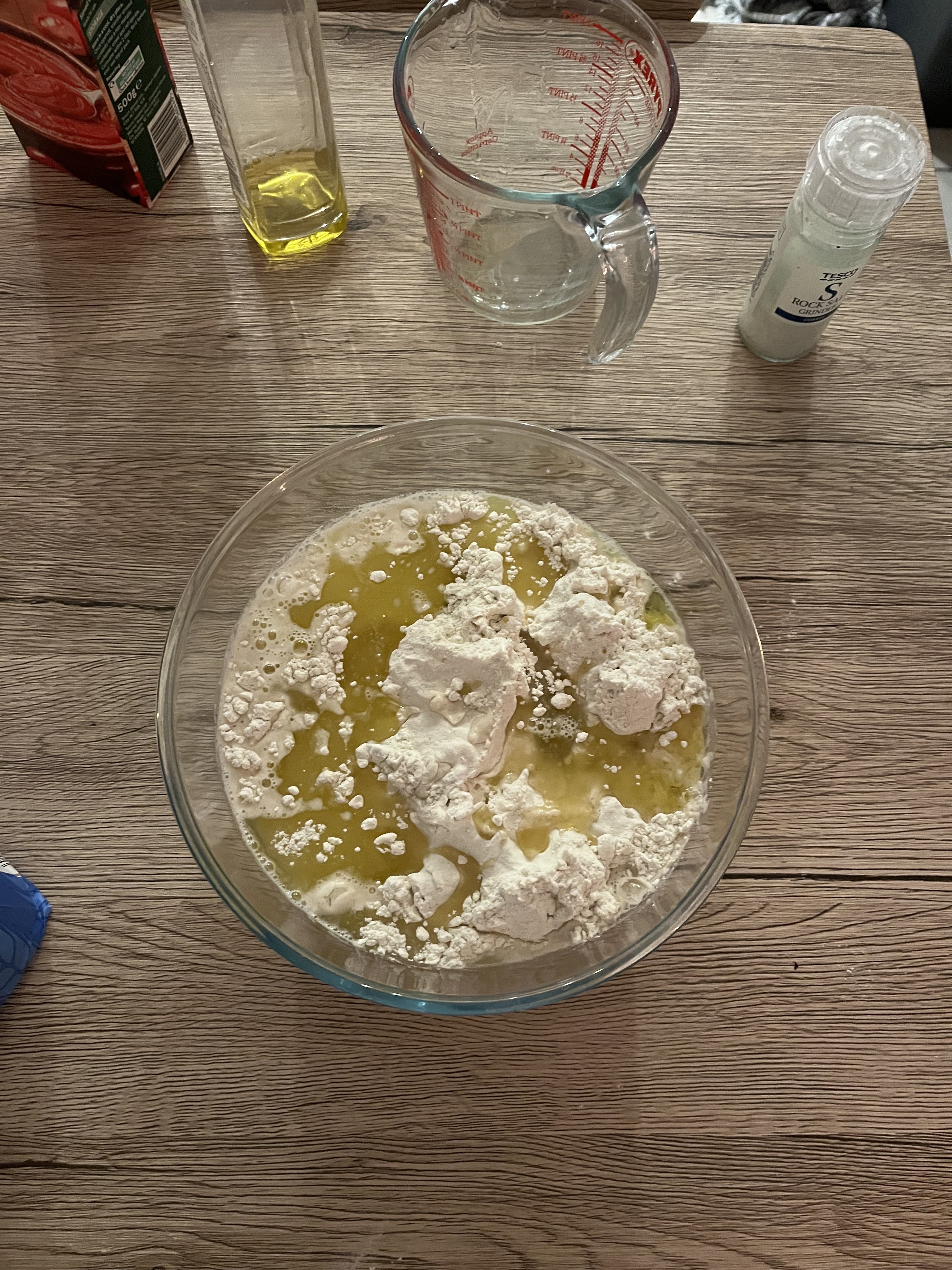
The dough was a combination of self-raising flour, oil, salt and water
The dough was a combination of self-raising flour, oil, salt and water
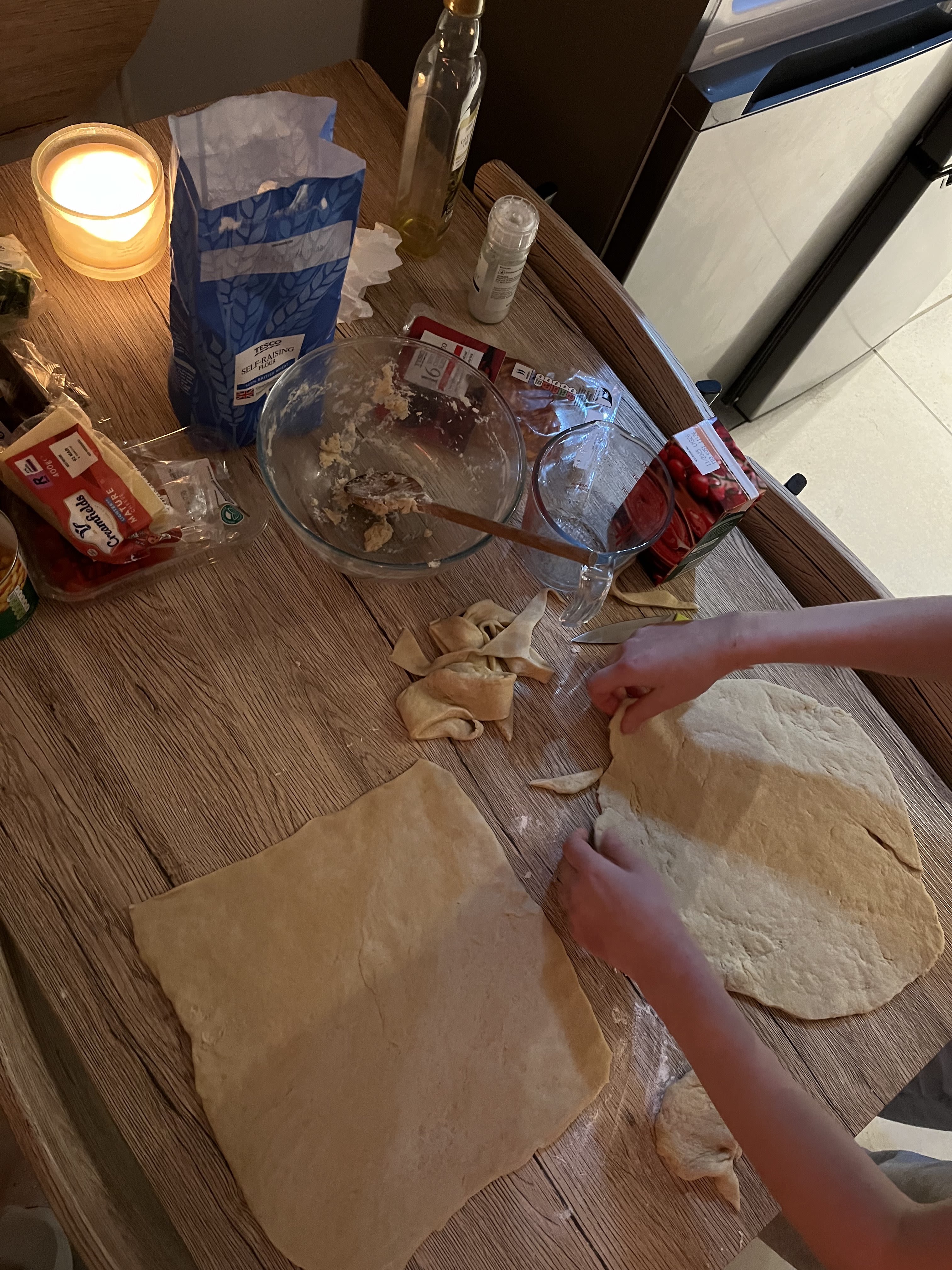
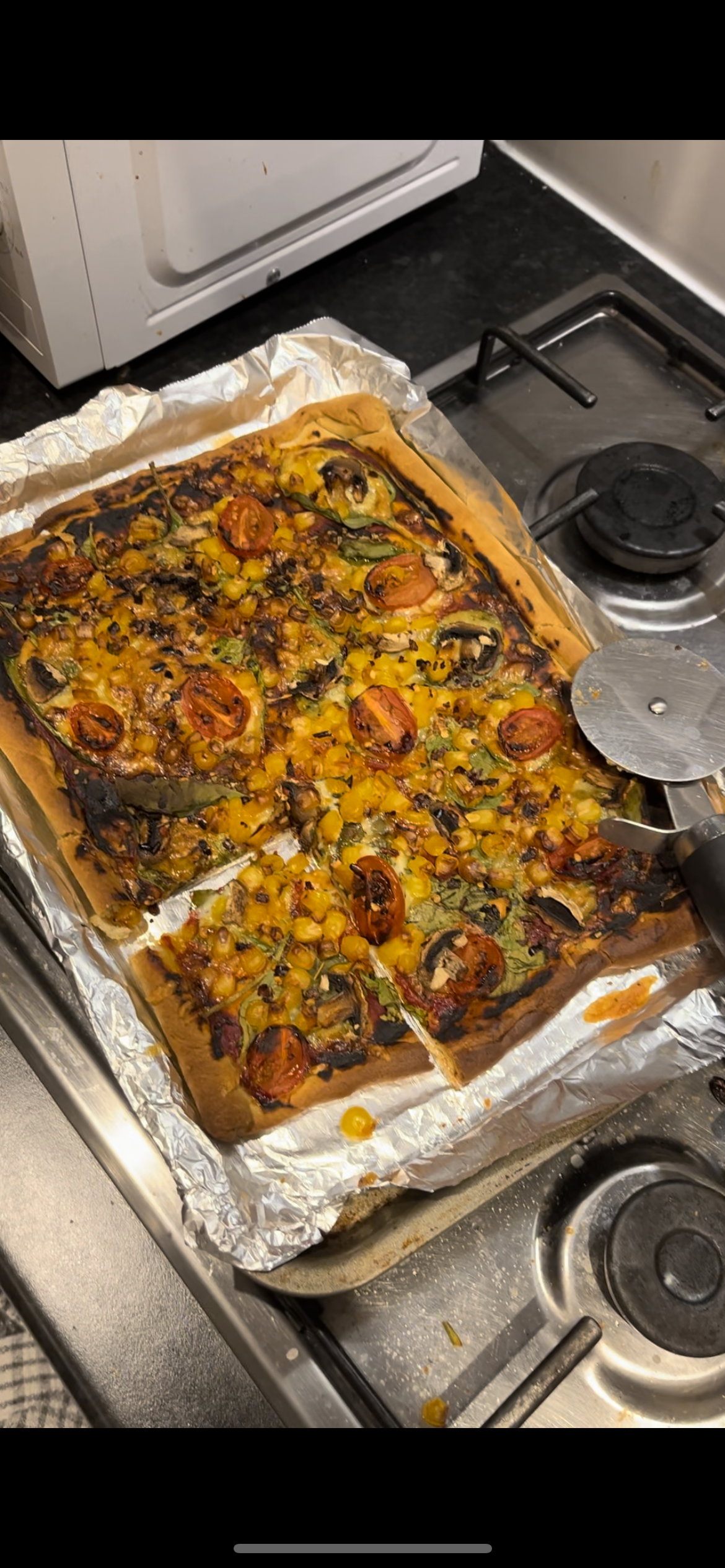
Before disaster struck...
Before disaster struck...
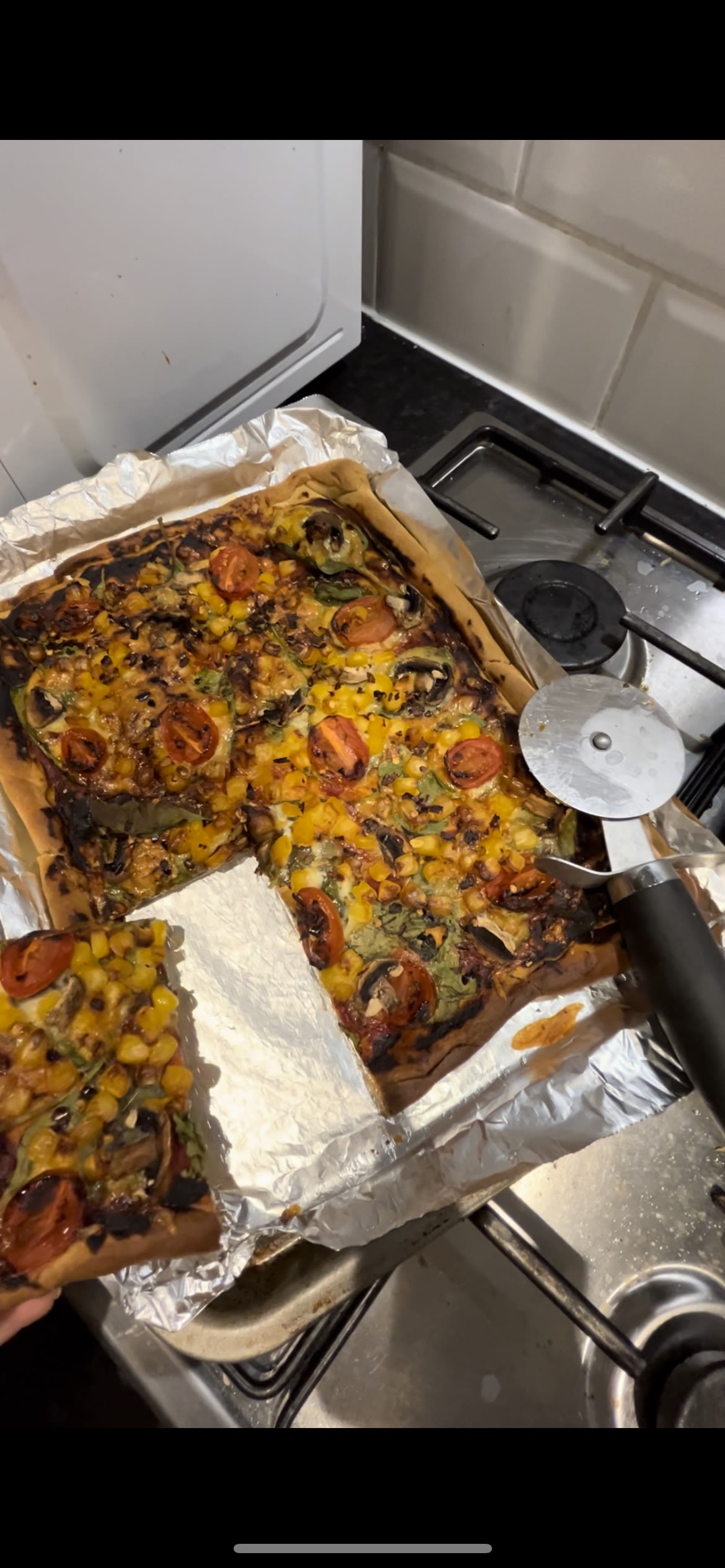
Yet to master the art of not burning pizza in the oven
Yet to master the art of not burning pizza in the oven
Images by Hannah Wild
Images by Hannah Wild

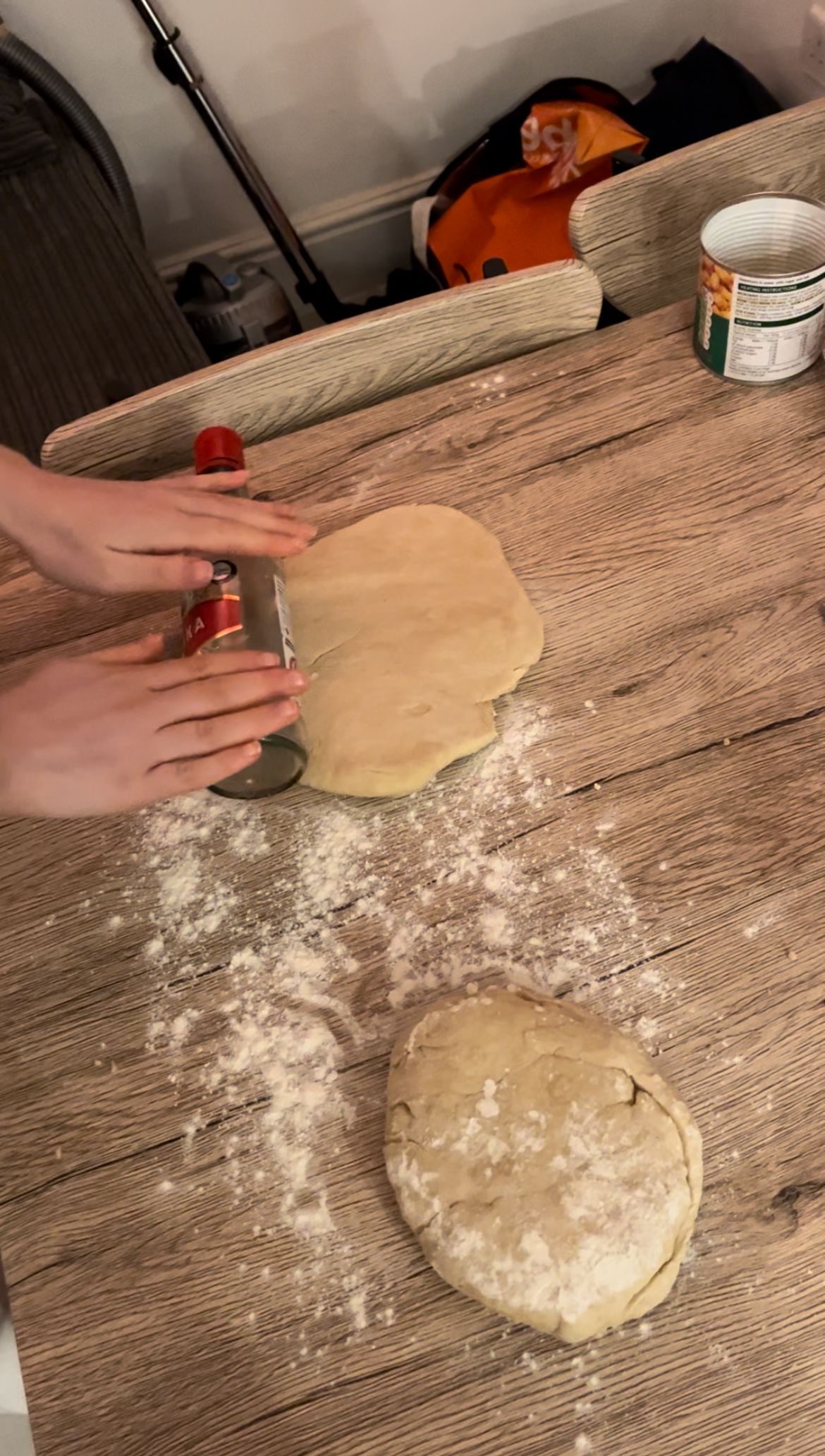
I would recommend using a rolling pin, rather than a vodka bottle for rolling out the dough
I would recommend using a rolling pin, rather than a vodka bottle for rolling out the dough
I topped my pizza with spinach, sweetcorn, mushrooms, cheese and tomatoes
I topped my pizza with spinach, sweetcorn, mushrooms, cheese and tomatoes
Dish 2
Korean green onion pajeon

Translating to ‘green onion pancakes’, Korean green onion pajeon placed second on the list. Aside from the occasional mid-week stir fry or egg-fried rice, my experience of Asian cuisine cooking is rather limited. Surrounded by ingredients I’ve never heard of, I was slightly apprehensive. However, Leyva’s passion for East Asian cuisine reaffirmed exactly why I took on this challenge in the first place.
“East Asian cooking is one of my favourite cuisines to make. The flavours are tangy, sweet and sour; they’re so addictive those dishes. A lot of them are easy to make if you take them step by step,” she said.
The recipe I used worked perfectly. It was easy to follow and to be honest, with only three ingredients, there wasn’t really much room for error – if we’re ignoring the debacle I had trying to work out how to slice a green onion ‘in half and then lengthways’.
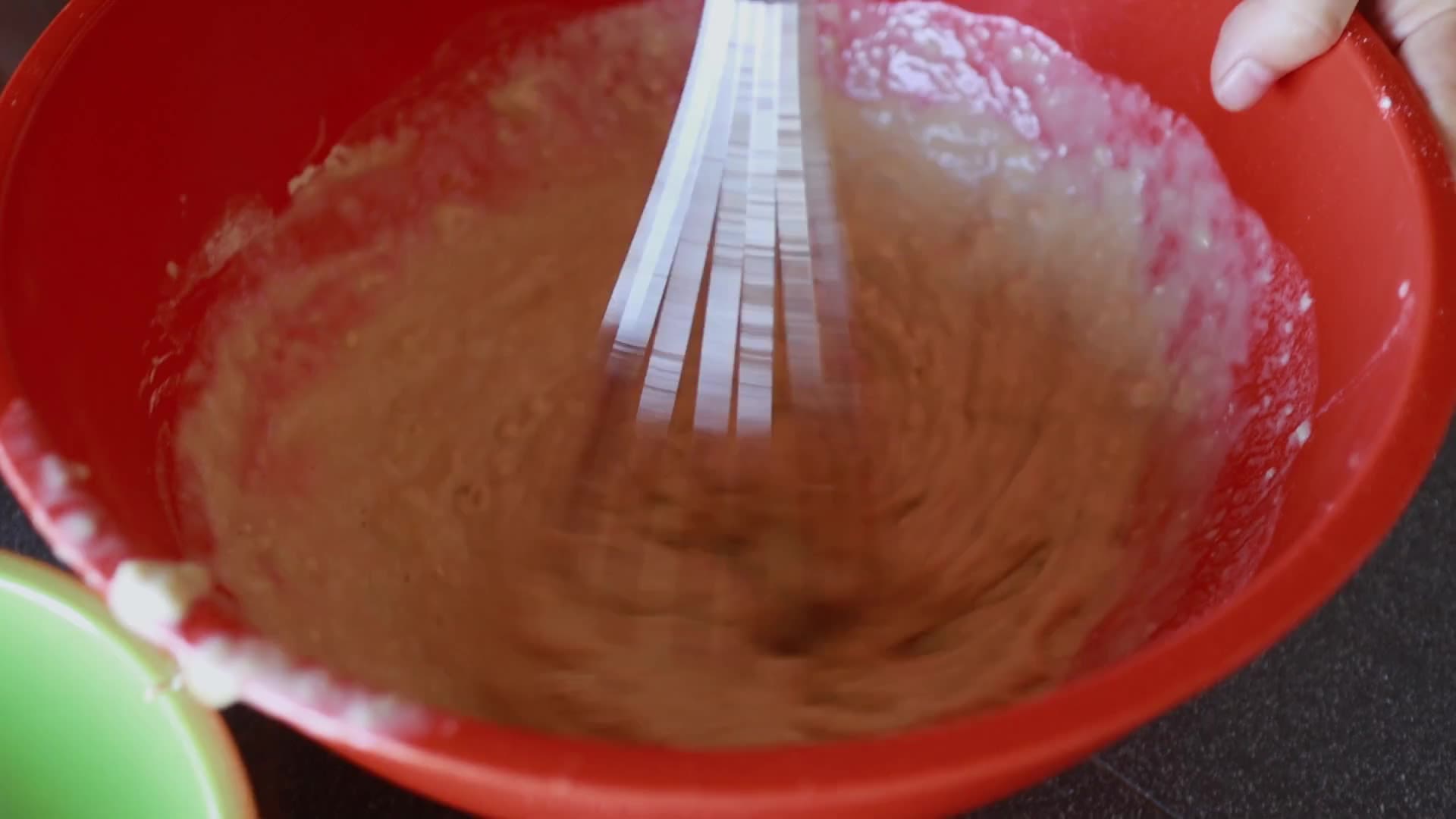
The batter (a simple mix of Korean pancake flour, sliced spring onions and water) divided equally into four pancakes. In fear of burning yet another dish I fried the pancakes on a medium-low heat; watching intently as I flipped them every few minutes. Although they didn’t quite resemble the crispy, golden-brown bites pictured in the recipe, they were delicious nonetheless. The spring onions complemented the pancake perfectly; bringing a subtle, sweet flavour to every gooey bite.
What’s more, the pancakes reheat perfectly two, even three days later. Store them in the fridge until serving for a savoury snack, or quick and easy dinner.
- Results: 9/10
- Taste: 10/10
- Cost: 9/10
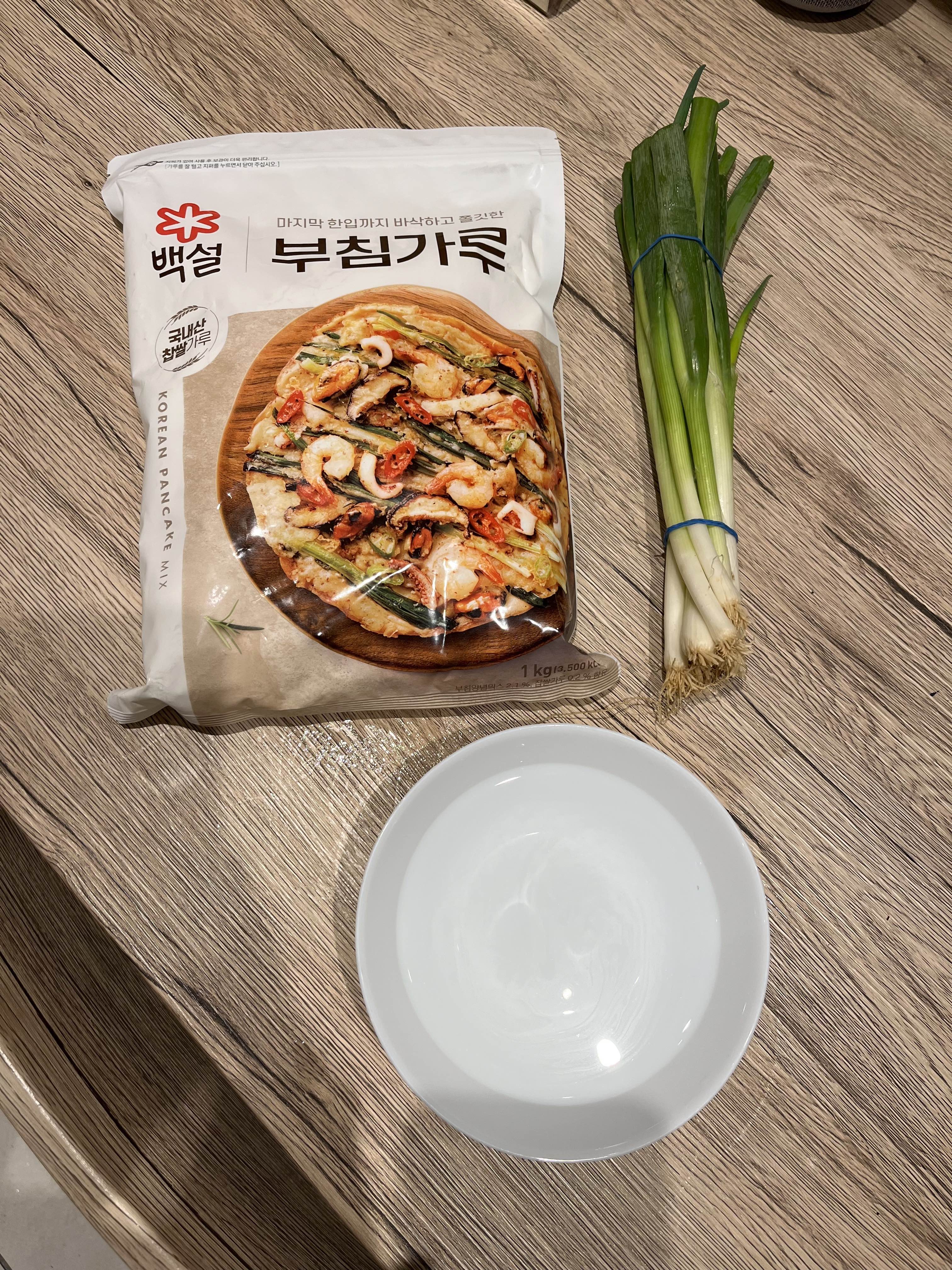
Korean green onion pajeon requires only three ingredients
Korean green onion pajeon requires only three ingredients

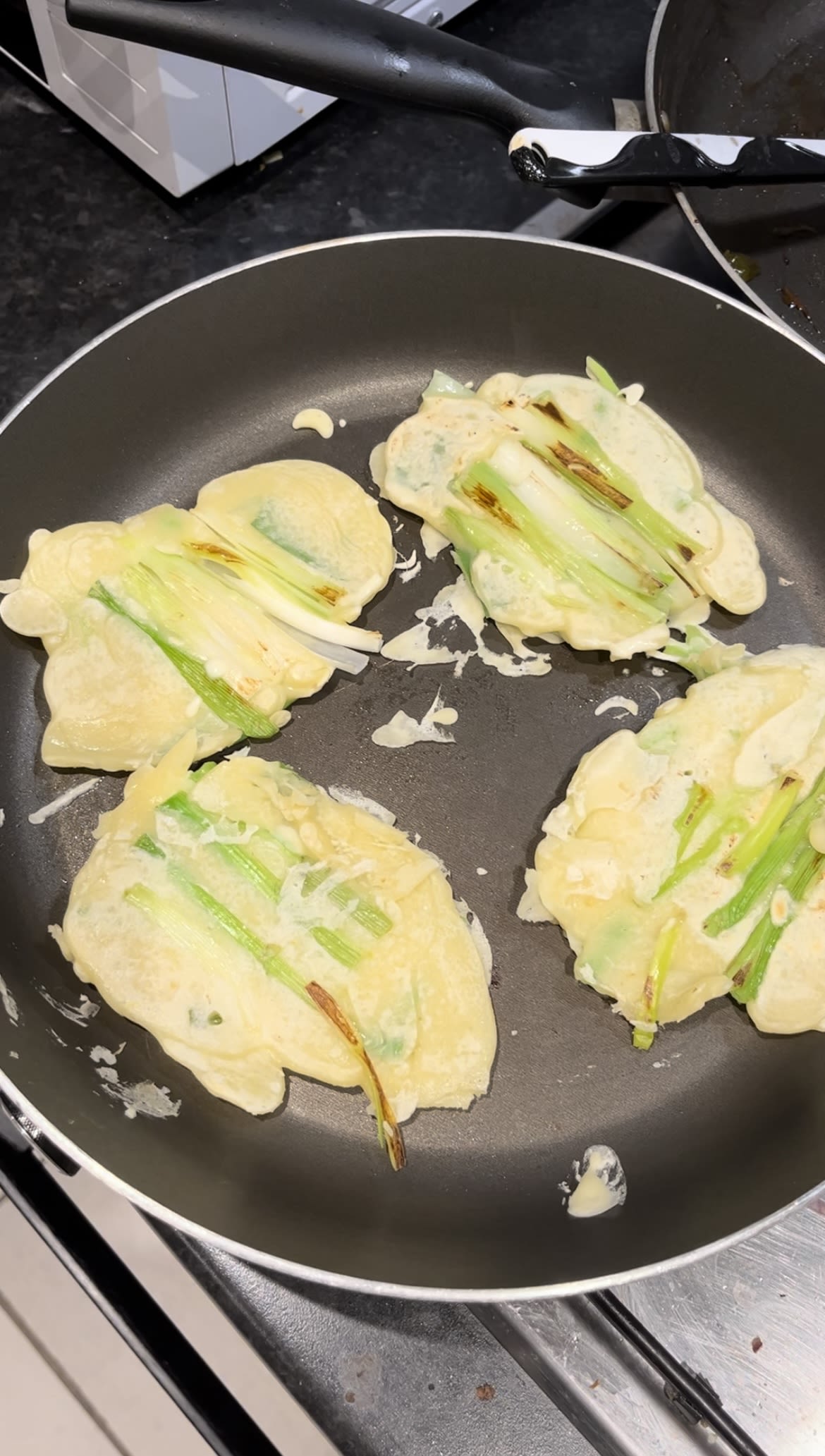
Pancakes cooking in the pan, having been sprinkled with spring onions
Pancakes cooking in the pan, having been sprinkled with spring onions
Images by Hannah Wild
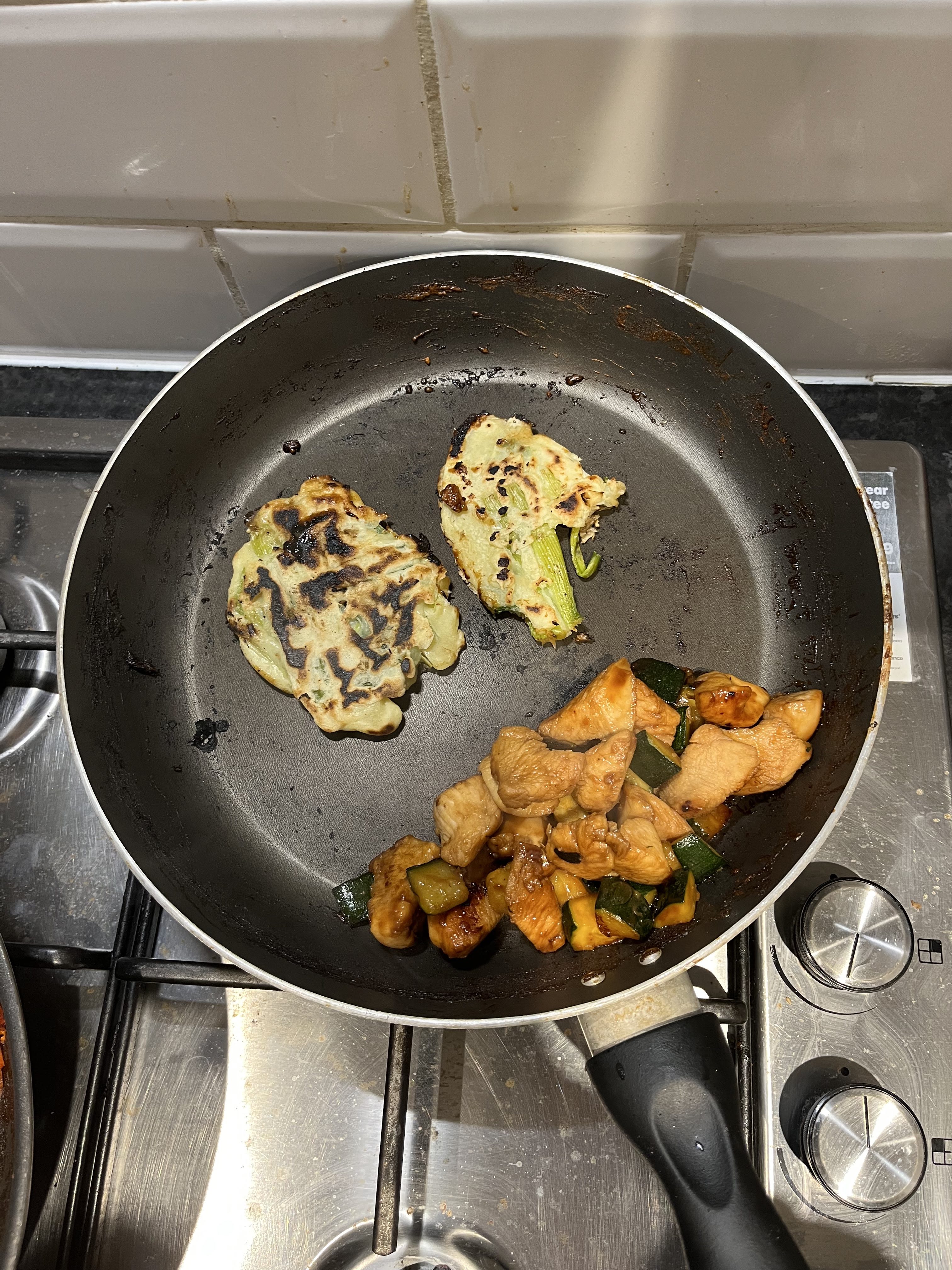
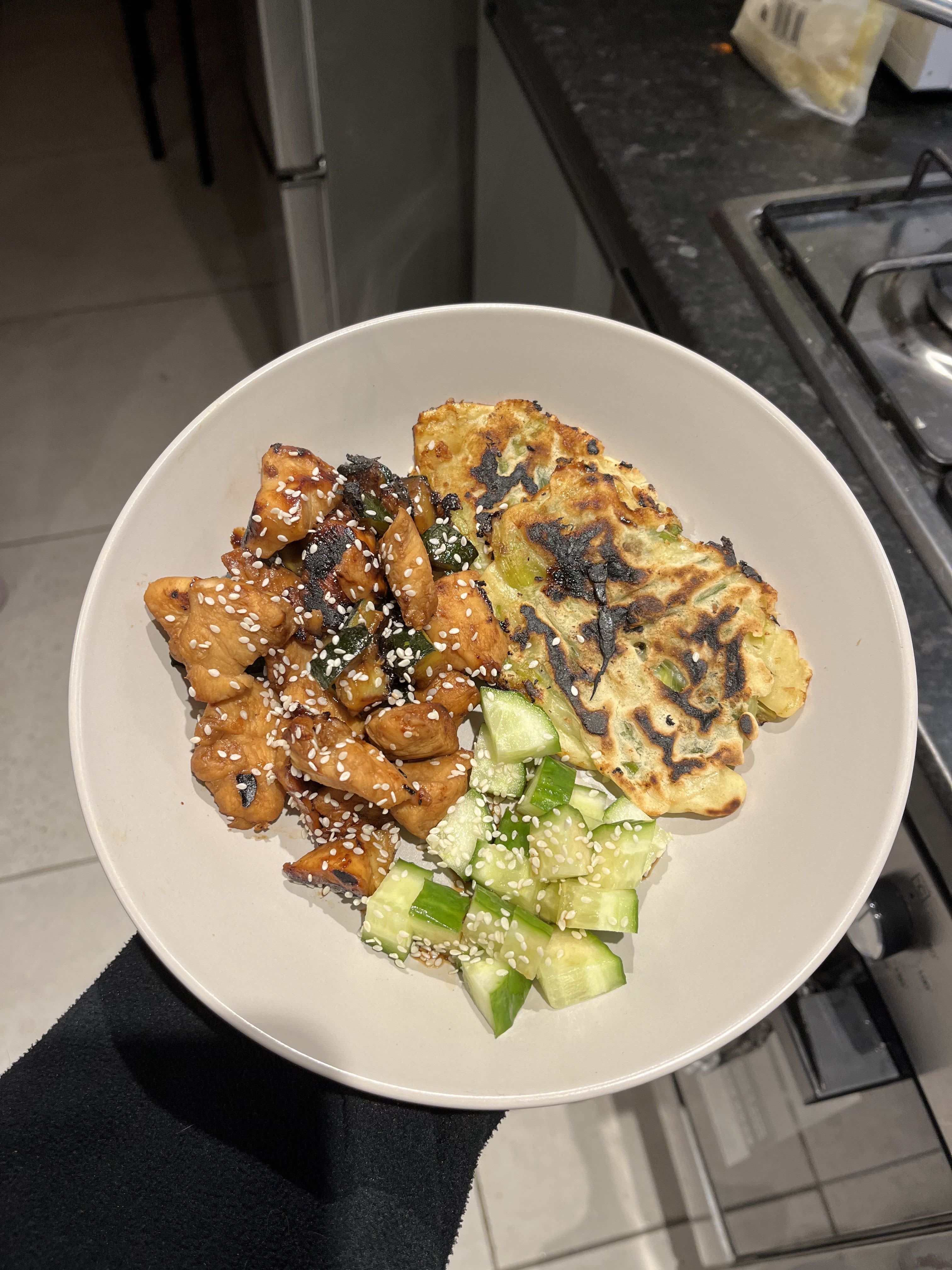
The pancakes served with Japanese yakitori, and cucumber

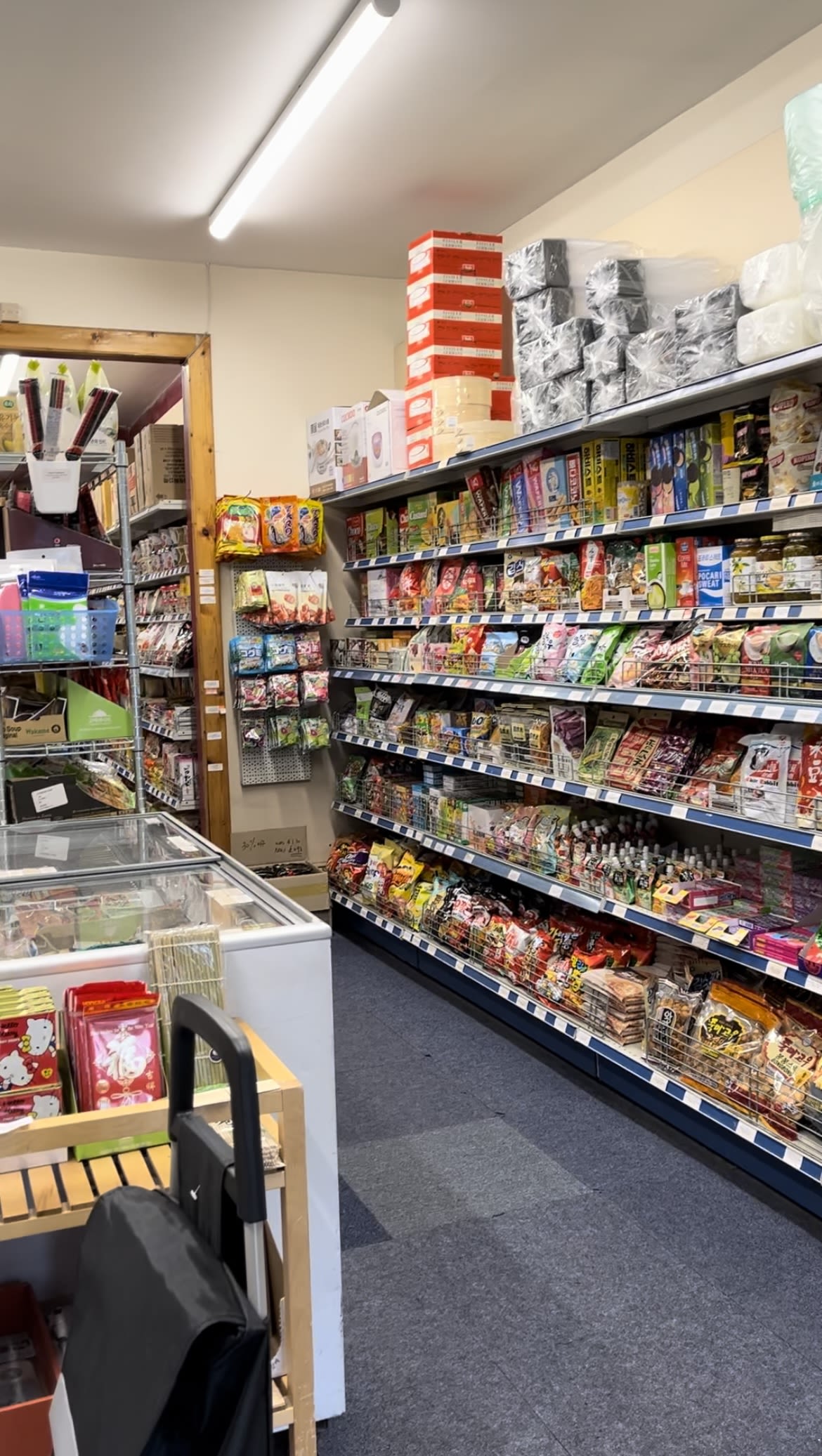
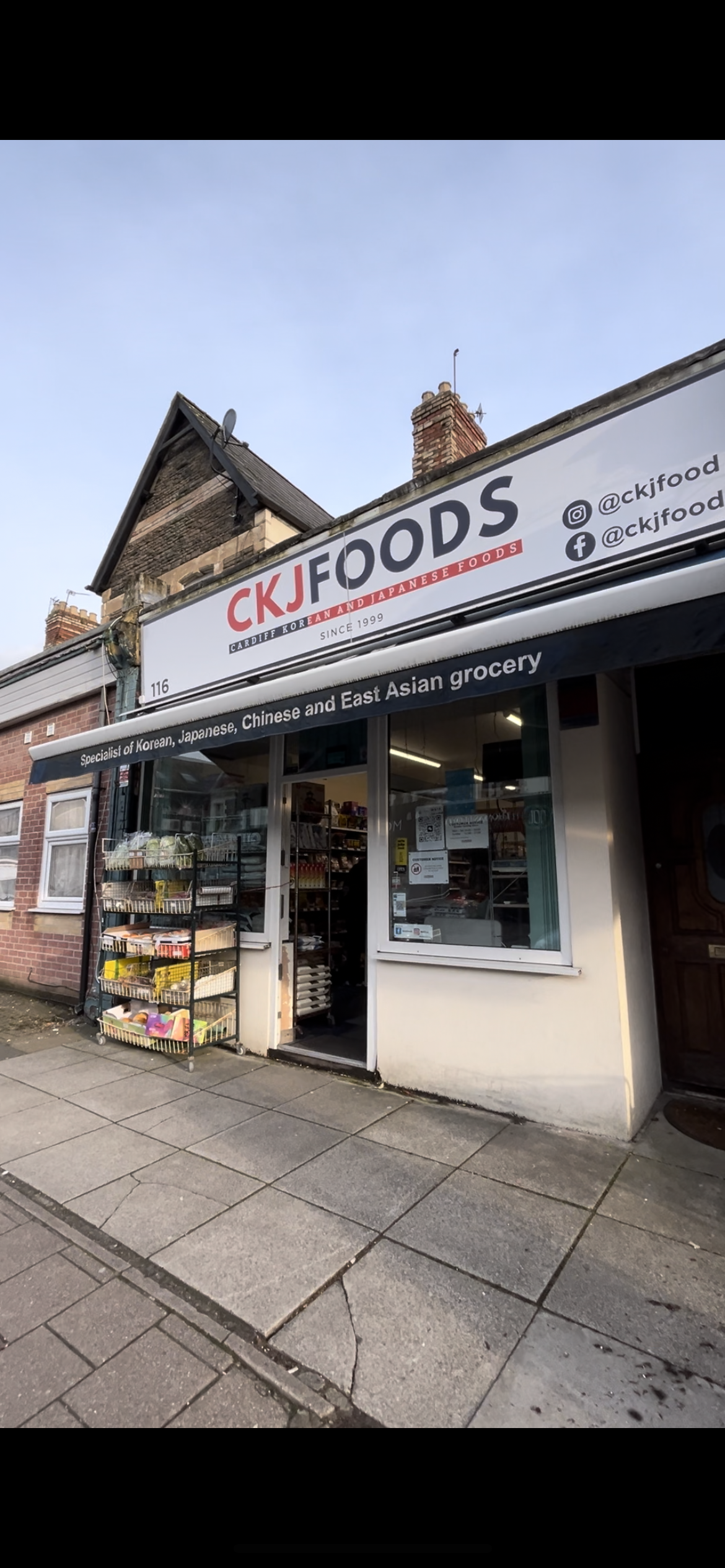
Cardiff Korean and Japanese Foods, where I bought the ingredients for the final two dishes
Cardiff Korean and Japanese Foods, where I bought the ingredients for the final two dishes
Dish 3
Japanese yakitori

When reading up about the Japanese diet, I discovered that meal times tend to involve eating from multiple dishes in order to try different foods and flavours. Embracing the culture, I decided to cook and eat the final two dishes as small plates; Japanese style.
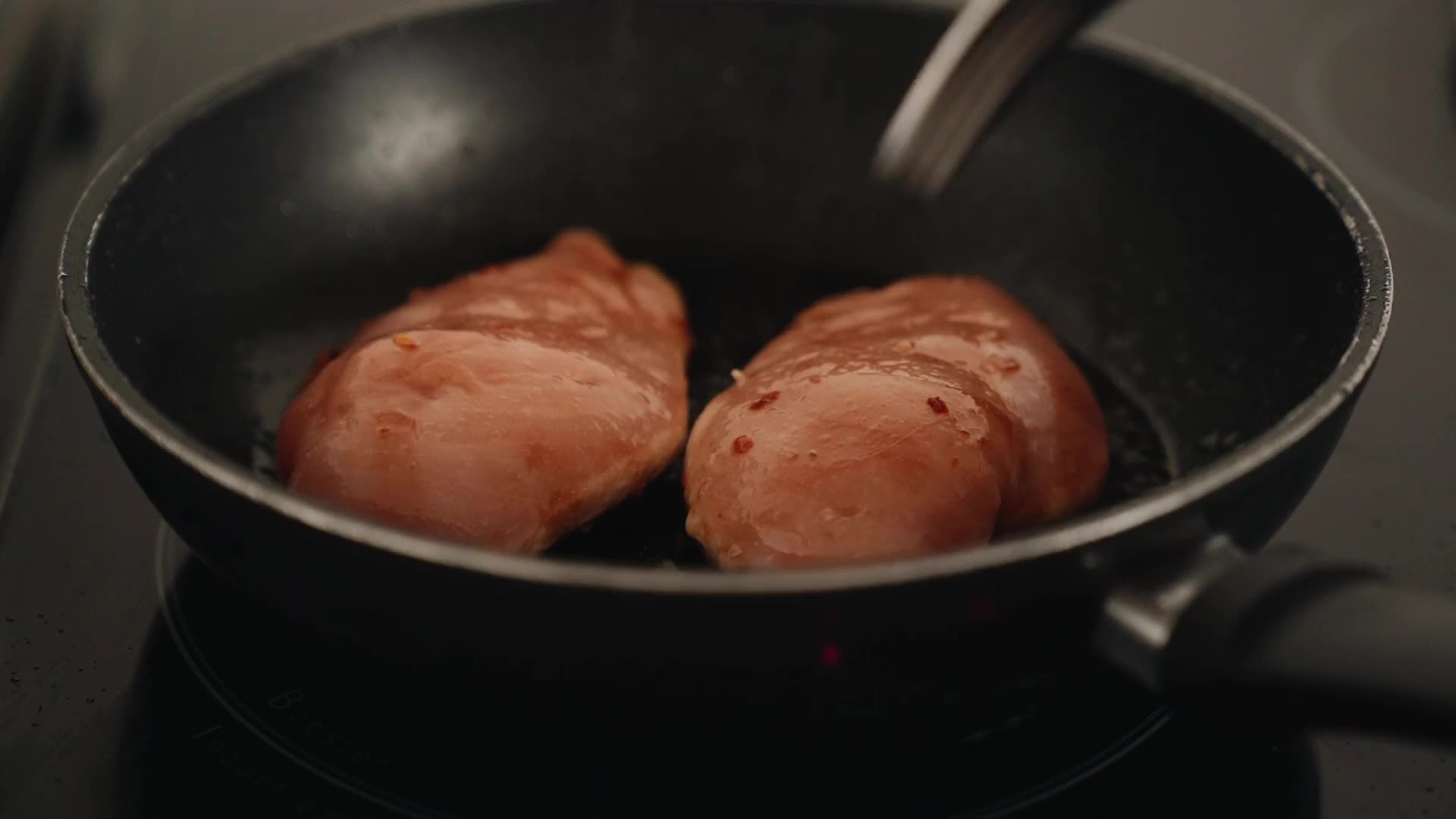
An authentic Japanese dish of grilled chicken and spring onions coated in a tangy, sweet marinade; yakitori is typically served on skewers as a starter or side plate. In the absence of skewers, I decided to fry the ingredients instead.
Considering I was advised to avoid purchasing meat in order to keep costs to a minimum, you might be surprised to find that a meat-based dish ranks third in Kelly Loves list. Compared to other forms of animal protein such as red meat, the price of chicken in the UK is considerably lower on account of industrial farming. If you’re looking to lower the cost of your weekly shops without sacrificing meat, chicken makes for a cheaper, and leaner alternative.
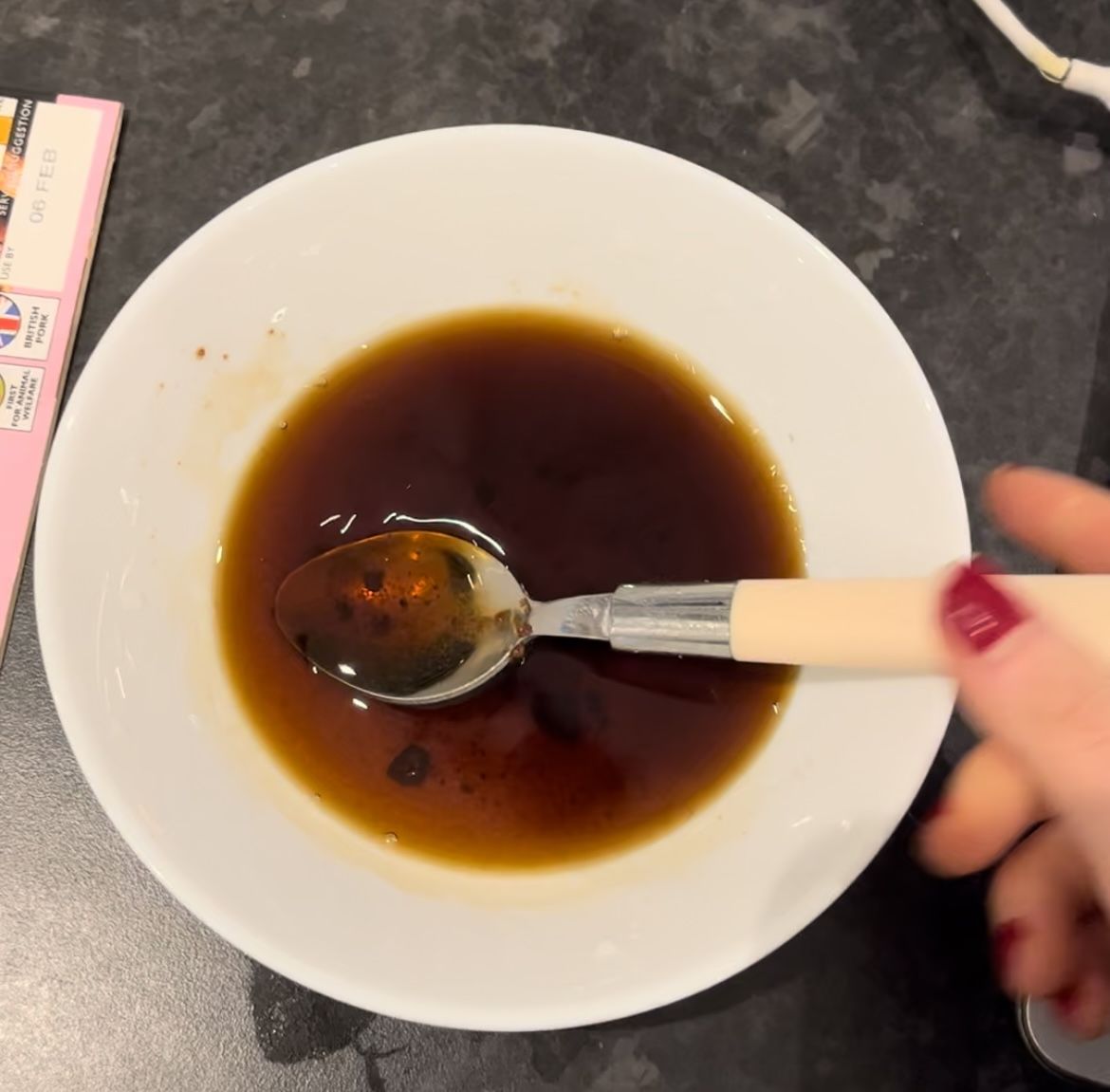
Creating this dish for one, rather than the four to six people the recipe was intended for, I carefully calculated the marinade measurements in fear of creating a sauce made entirely of brown sugar. I hadn’t heard of mirin before, but oh how I wish I had. A type of rice wine made with low alcohol content and high sugar content, its tangy, yet sweet flavour is what had me practically drooling as I impatiently waited for the chicken to cook.
It wasn’t long before my two housemates were lured downstairs by the aromas of mirin simmering on the hob. “That smells incredible,” they said, peering into the pan. I smiled smugly as I stirred the chicken; coated in a bubbling, brown glaze.
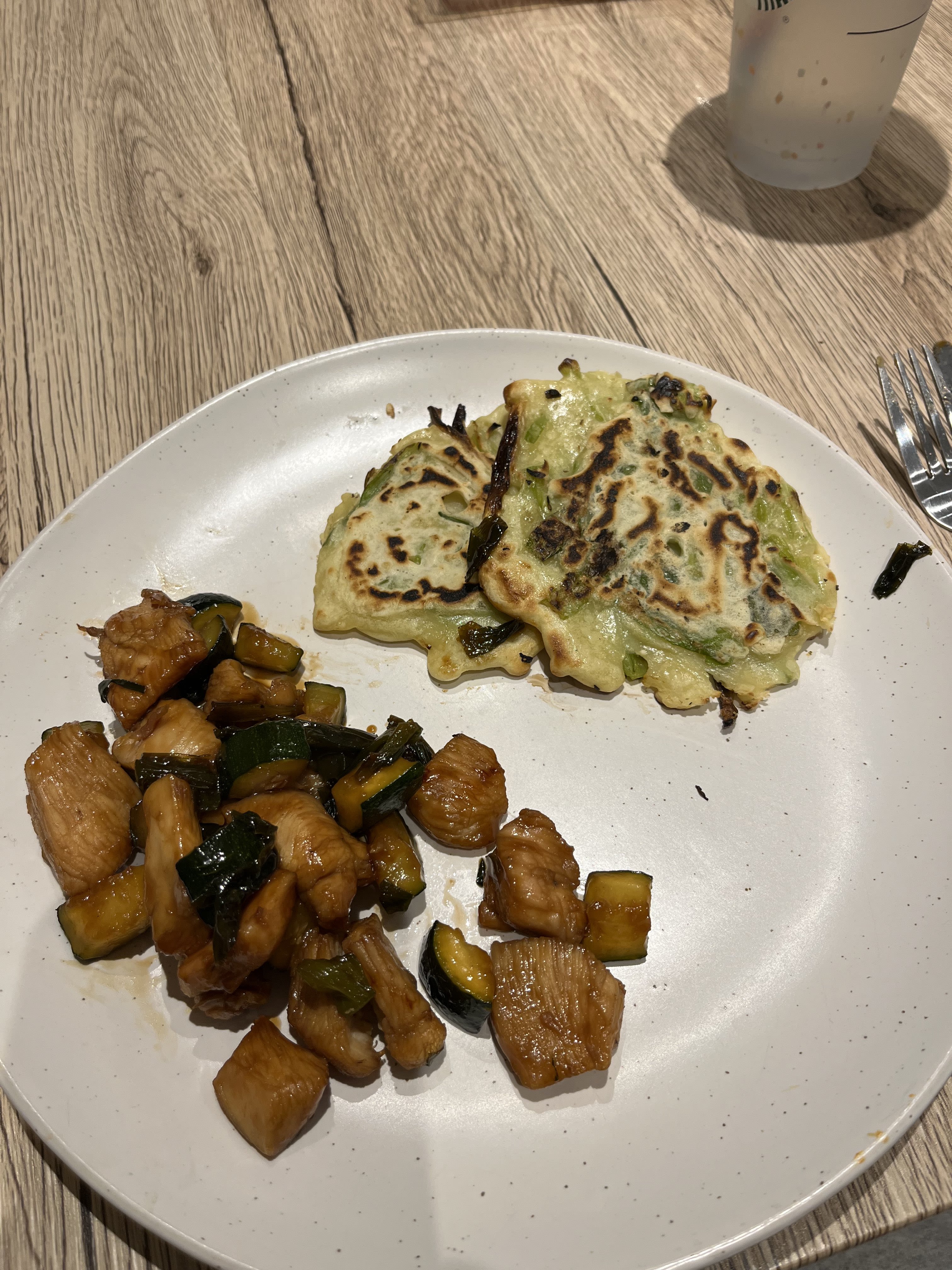
I ended the challenge on a high. The yakitori sauce both smelt, and tasted incredible. I used my remaining pancake to soak up every droplet, the marinade's gooey consistency melting on my tongue.
While there’s no denying the success of this dish, I should have cooked both chicken breasts and put a serving aside for another day; being cost-effective in getting more than one meal out of the ingredients.
- Results: 10/10
- Taste: 10/10
- Cost: 7/10
Watch to see how I got on when making the Japanese and Korean dishes
Watch to see how I got on when making the Japanese and Korean dishes

Creating the marinade
Creating the marinade
The finished product(s)!
The finished product(s)!

Images by Hannah Wild
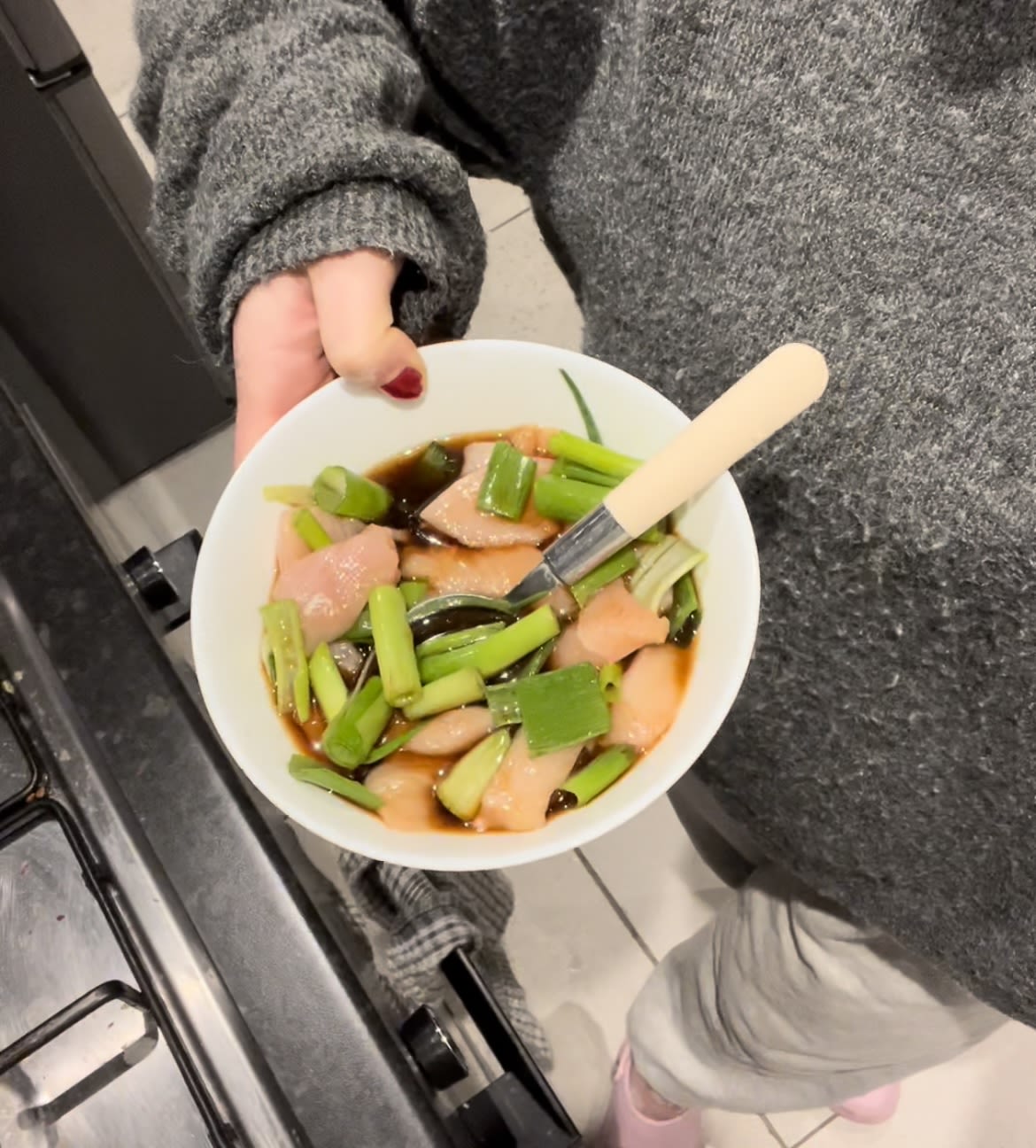
Images by Hannah Wild
Ingredients for the Japanese yakitori
Ingredients for the Japanese yakitori

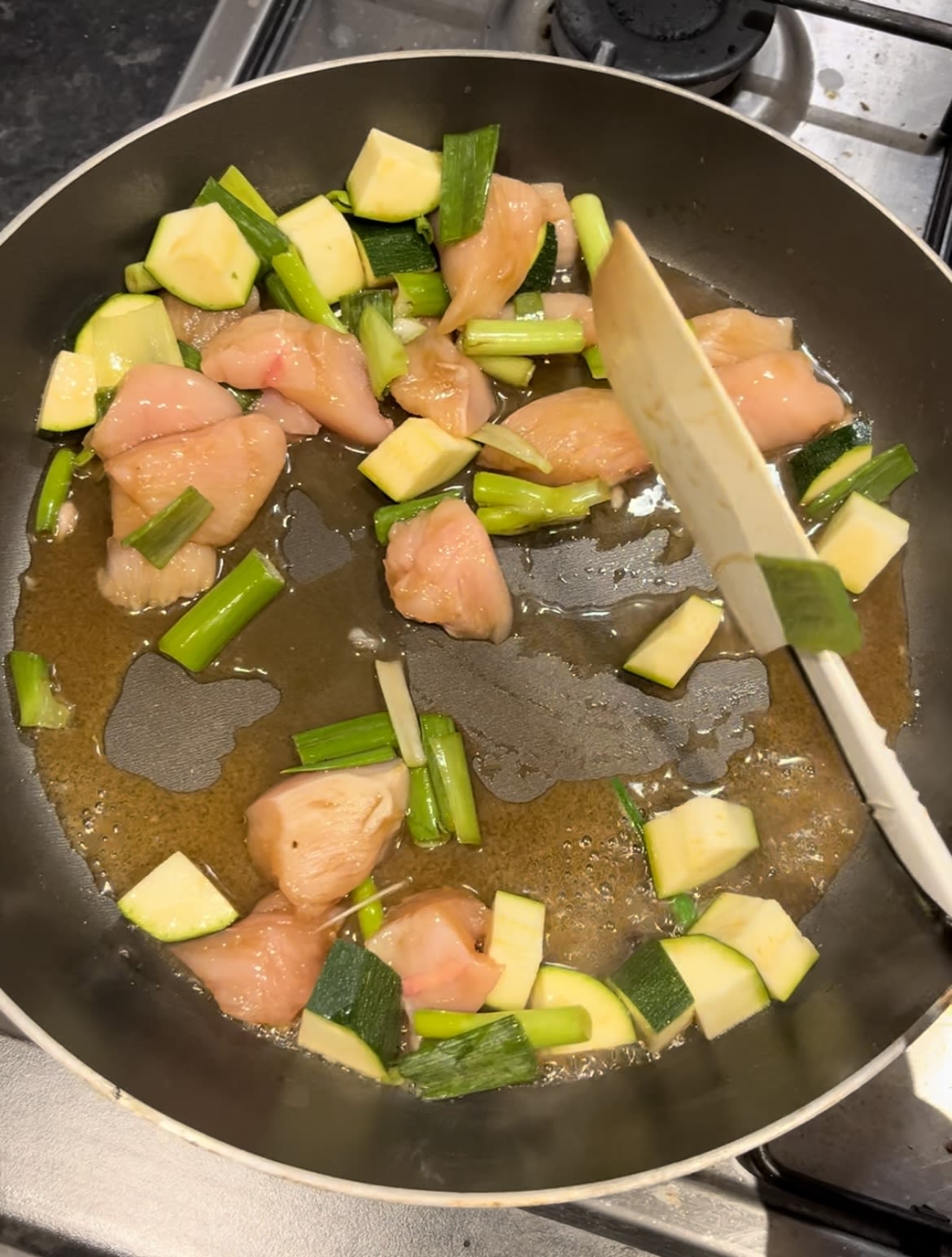
Having to fry the ingredients instead...
Having to fry the ingredients instead...
Thoughts

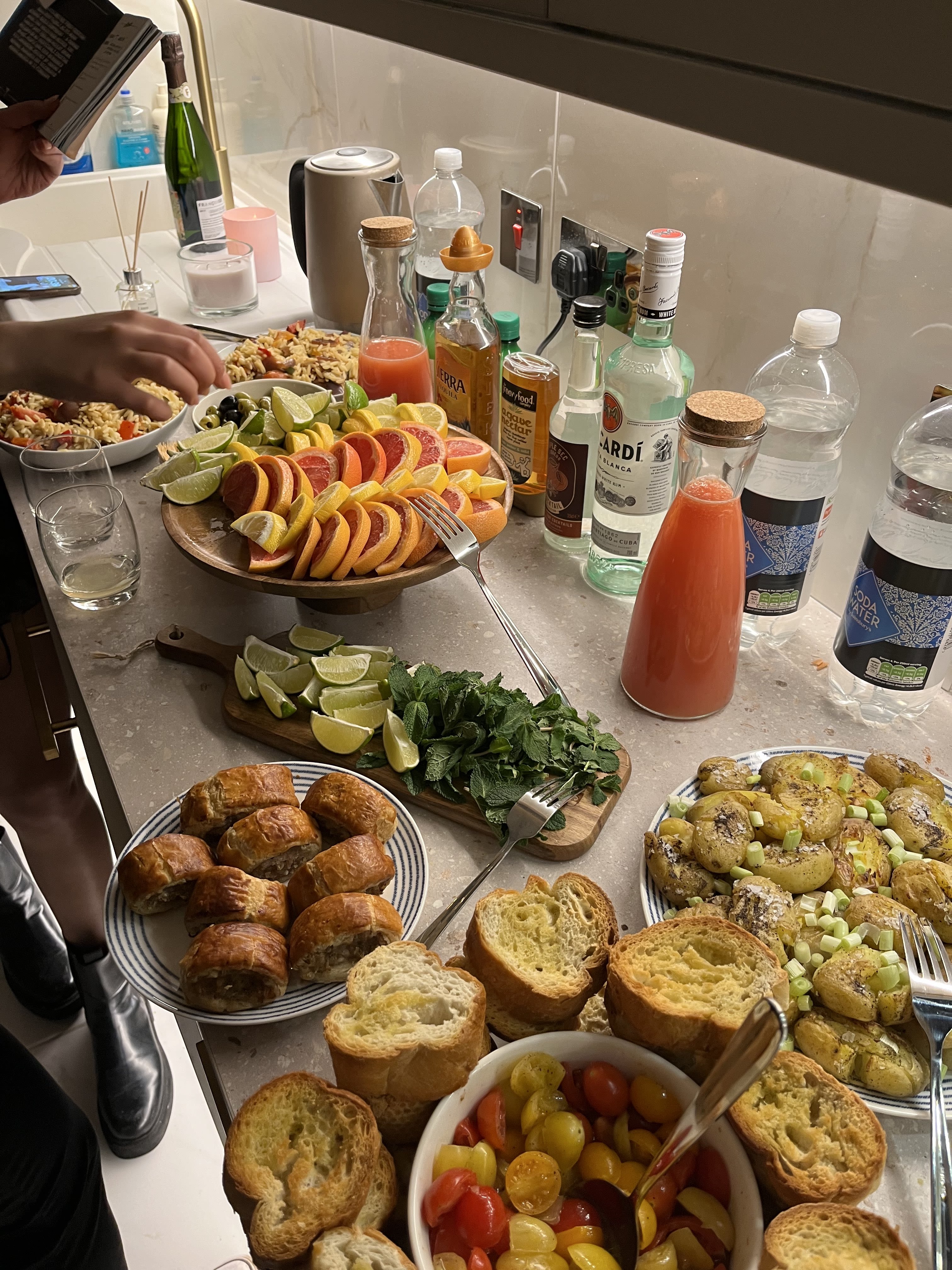
So, that concludes my challenge of re-creating the UK’s three cheapest global cuisine dishes on a budget.
What did I learn?
Firstly, in order to create an authentic world cuisine dish, you have to invest in the basic ingredients. While £5 may seem expensive for a condiment or type of flour, that singular ingredient could elevate your cooking to the next level.
Experimental, or world cuisine cooking doesn’t have to be expensive. As proven with this challenge, many of your favourite dishes can be created for under £5 – so long as you plan ahead, use the resources you already have, and pick the cheapest products. Admittedly, I could have made this challenge cheaper by purchasing cheaper ingredients from a supermarket chain.
Granted – I think I got away pretty easily with this challenge. It’s clear why pajeon and yakitori ranked as the second and third as the cheapest world cuisine dishes to re-create at home; they’re side dishes. This resulted in me having to bulk out the meal with extra vegetables to fill me up, compromising the cost.
However, the dishes were bursting with new, invigorating and unusual flavours - and £15 for three meals is a pretty good deal, proving that cooking can be diverse and exciting when you’re cash conscious. Even more so when you consider just how many pancakes I can make with a kilogram of pancake flour.

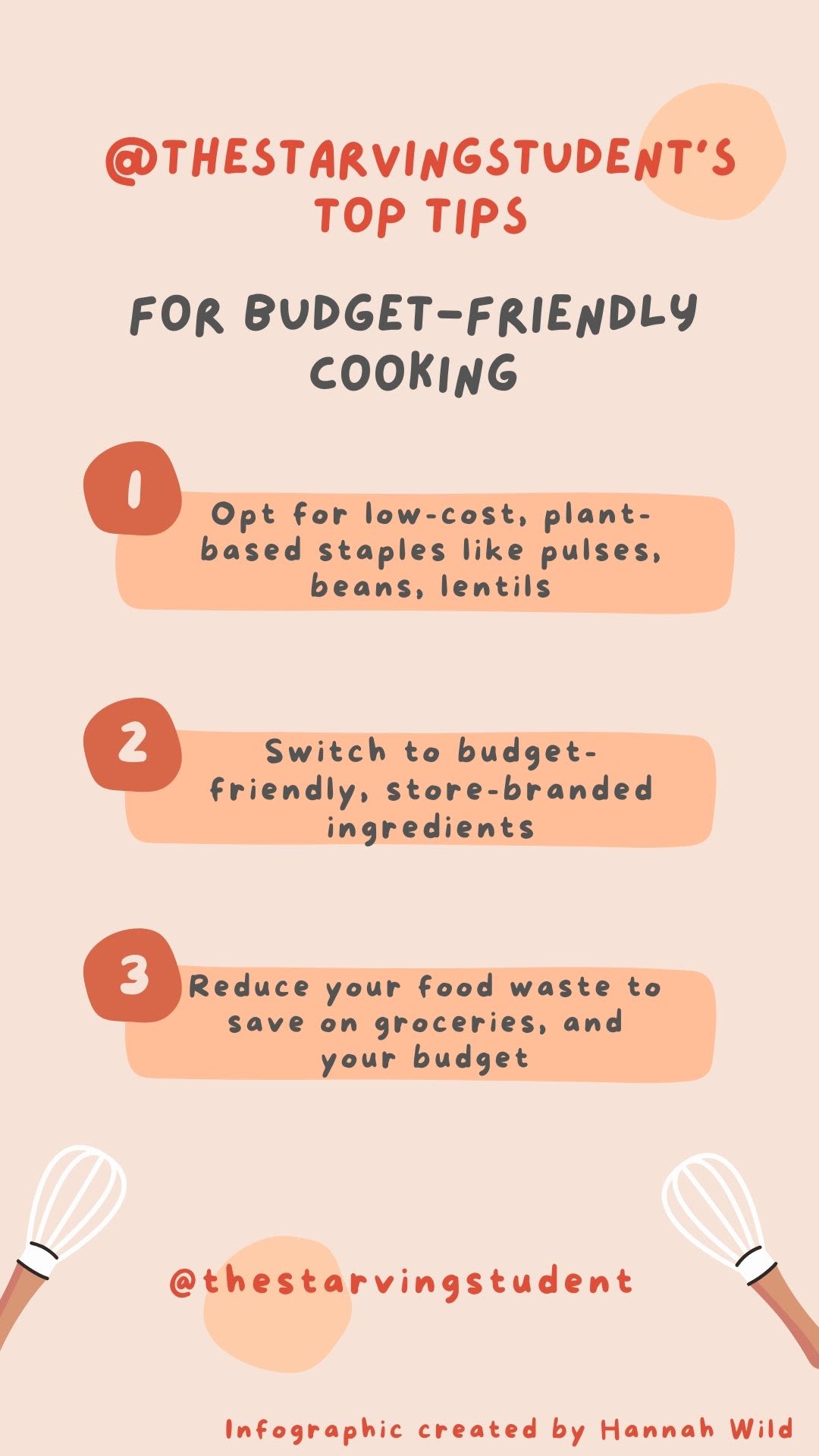
Lauren Leyva's top tips for budget-friendly cooking
Lauren Leyva's top tips for budget-friendly cooking
 Built with Shorthand