
Sewing your own clothes is the haute trend for the season
Is creating your own clothes the solution to making stylish, sustainable choices?
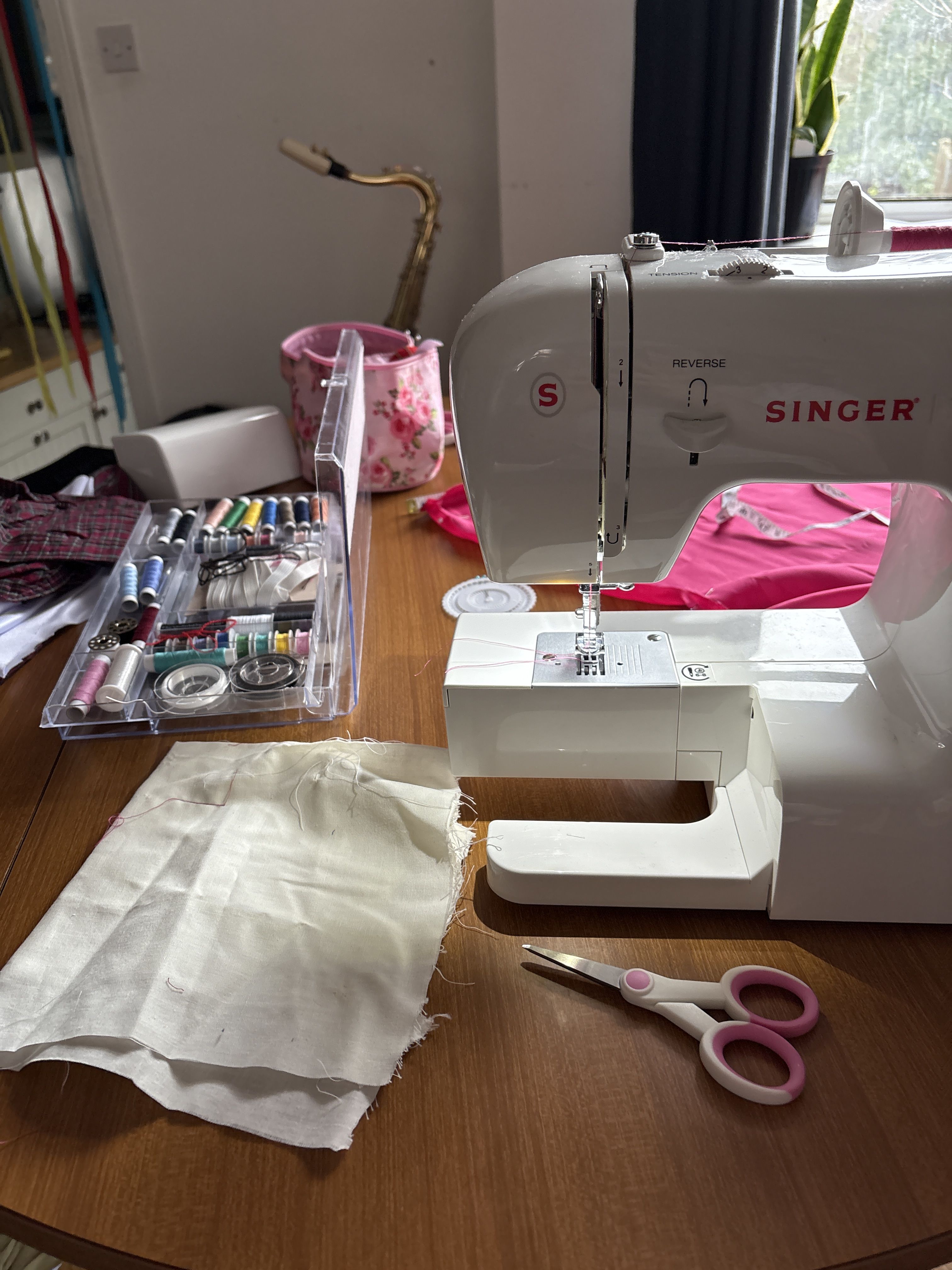

Is it possible to reinvent your wardrobe in a week without spending any money on the high street? Hopefully, yes. It’s a challenge I’ve set myself with the aim of relying less on fast fashion sites that entice their audiences with deals on next-day delivery and dramatic price drops.
How easy is it, exactly, to take to a needle and thread and transform an item of clothing? In 2024 YouGov found that 20% of Brits admitted that they couldn’t confidently sew or complete a running stitch, yet interest in buying sewing machines has been steadily increasing since, with Straits Research projecting a 4.5% growth in the industry each year.
To add to that percentage, I’ve rented a sewing machine from my local library to produce one full week of outfits, wearing only garments that I have sewn, embroidered, or upcycled. Although a small step in changing my daily routine, according to Fashion Revolution Week even the smallest effort to source eco-consciously can make a big difference. In advance of their week of activism this April, a needle and thread is my method of protesting fast fashion websites.
Some companies have pioneered the challenge of making eco-conscious spending an everyday reality rather than a fictitious goal for consumers. Second-hand and vintage retailers have proved that this is both possible and now the cool thing to do. In 2024, Pion shared that 66% of gen Z shoppers regularly added fashion items which were second-hand to their wardrobes.
Lecturer Naomi Dunstan at Cardiff University notes the growing interest in sustainability among young consumers: “While this is becoming increasingly important to consumers, there are issues relating to affordability and the cost of being sustainable. This is leading to a growing interest in alternative sustainable options such as vintage, second-hand and rental.”
"If you have time to go to Primark, you have to go to a bloody charity shop"
Sophie Perkins, Stylist and Co-Founder of Sage Against The Machine
Sage Against The Machine is one such company that has embraced the challenge, hosting fashion events for vintage retailers, independent businesses and emergent fashion designers across Cardiff. Co-founder and stylist Sophie Perkins has always been a “big fan” of upcycling: “I really respect it so much, because I feel like it's people fighting the good fight because they're trying to do something good with something that could have just been thrown away.”
It's a sentiment that she shares for charity shopping “I think people just like to make excuses. If you have time to go to Primark, you have to go to a bloody charity shop, and I know they're probably not gonna have exactly what you want, but you could find something so much better.”
The Challenge

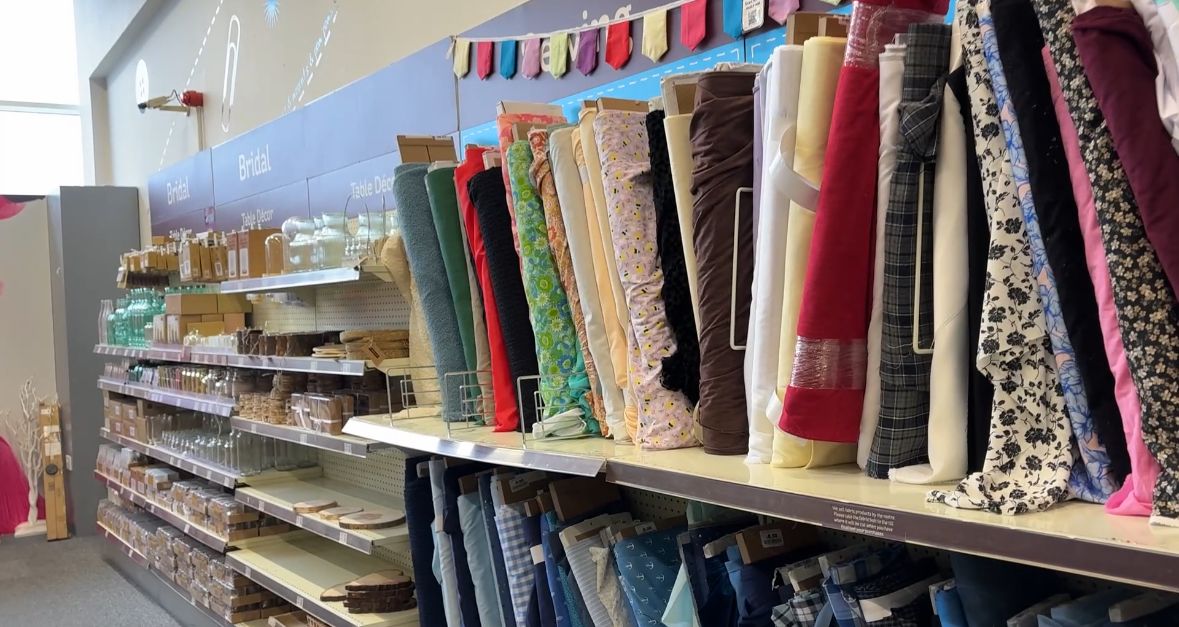
To see how accessible this exactly is, I’ve set myself the challenge of seeing how many outfits I can make in one week to wear. Without spending money on the high street, is it possible that I can reinvent my wardrobe by making and upcycling my own fashionable outfits? And can they compete against fast fashion alternatives?
By no means at all is my proficiency in sewing of that near a professional. It can be most related to a buried hobby from childhood, a lost passion or dying interest. I'd have plenty to learn, even if I just about knew which way to hold a needle.
Sew, let's begin...
Lesson 1: Mistakes are how you learn
Watching TikTok and saying ‘I could easily do that’ is a great starting point for beginning a new craft project – note the word starting. After watching a sewing creator’s guide on how to bead embroider, it felt like the perfect way to start the challenge.
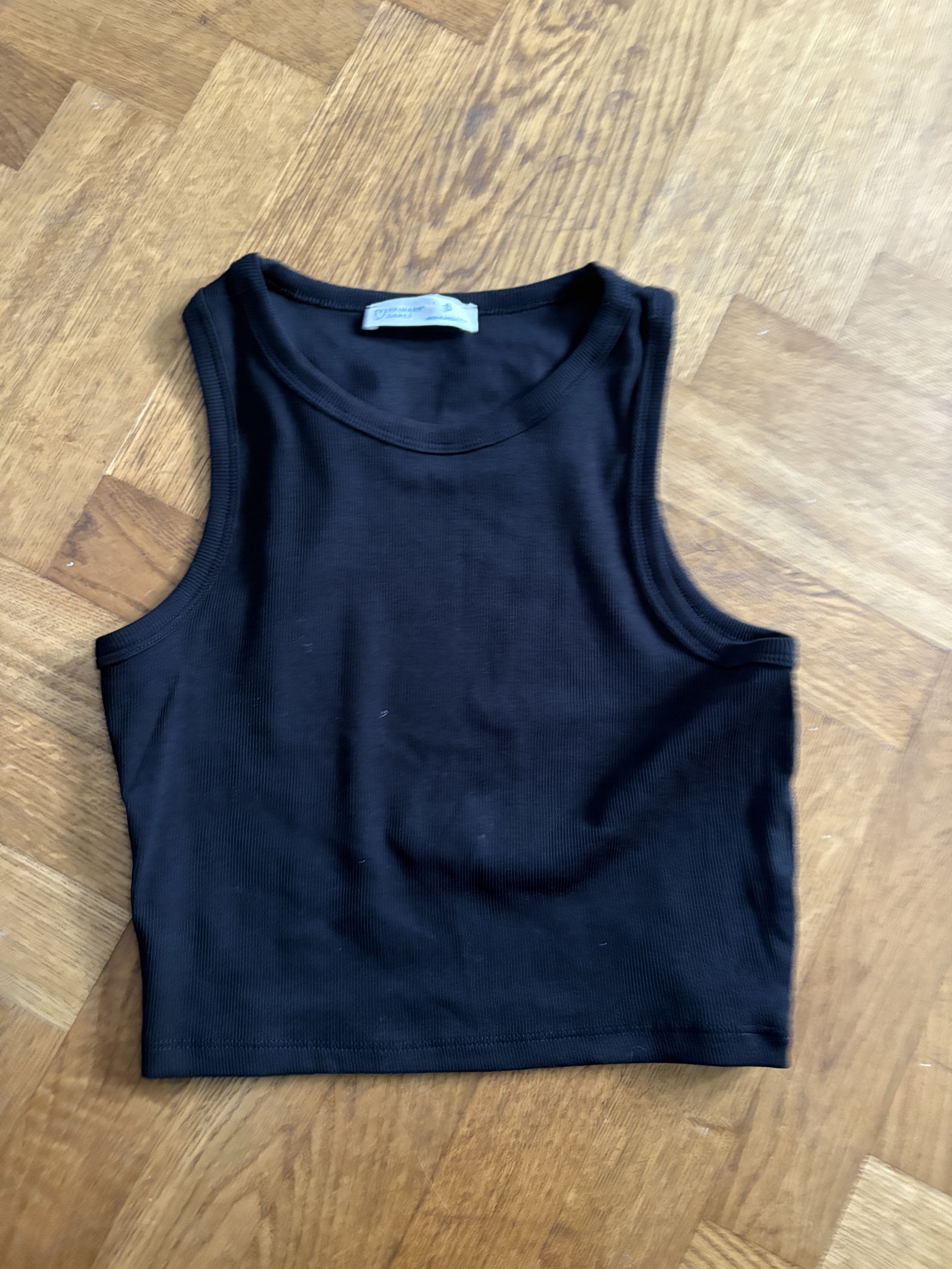
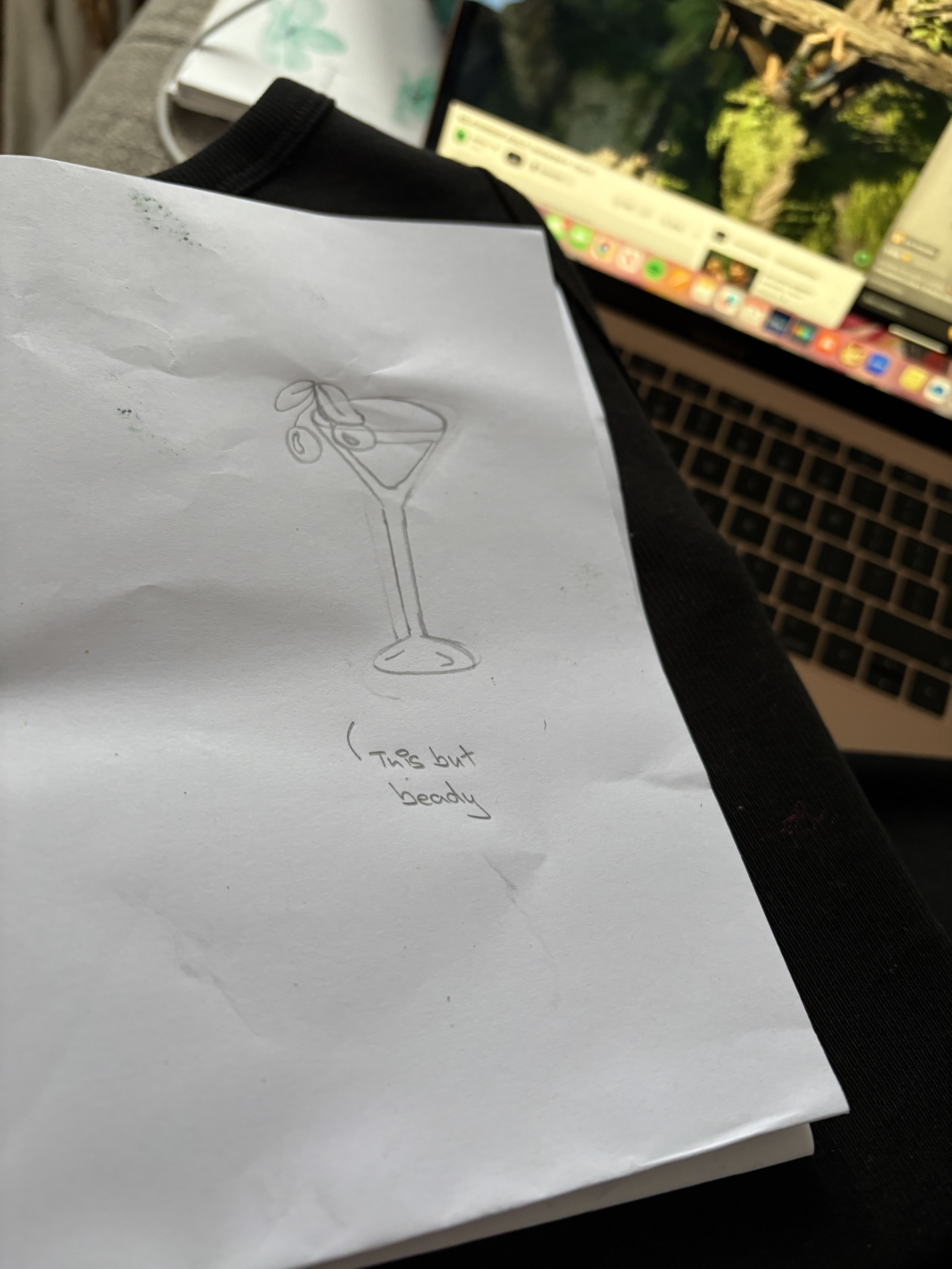
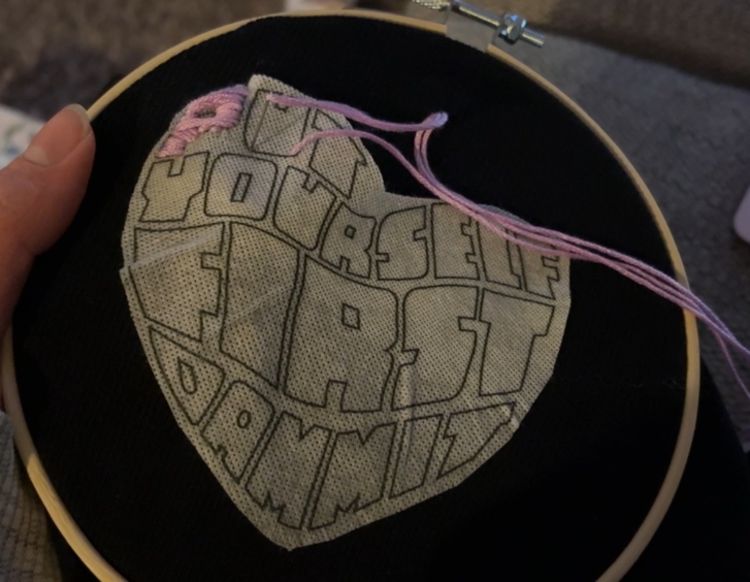
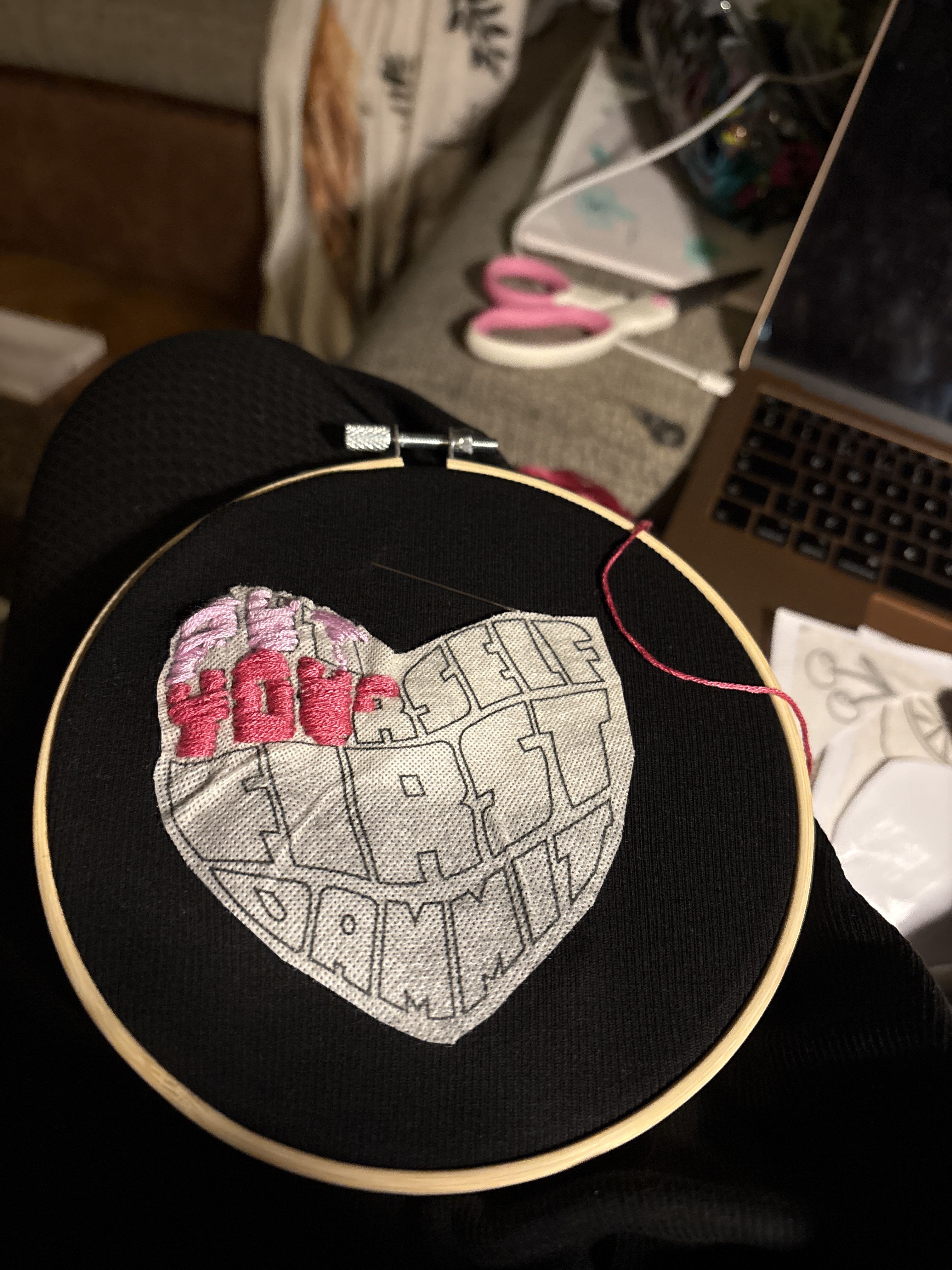
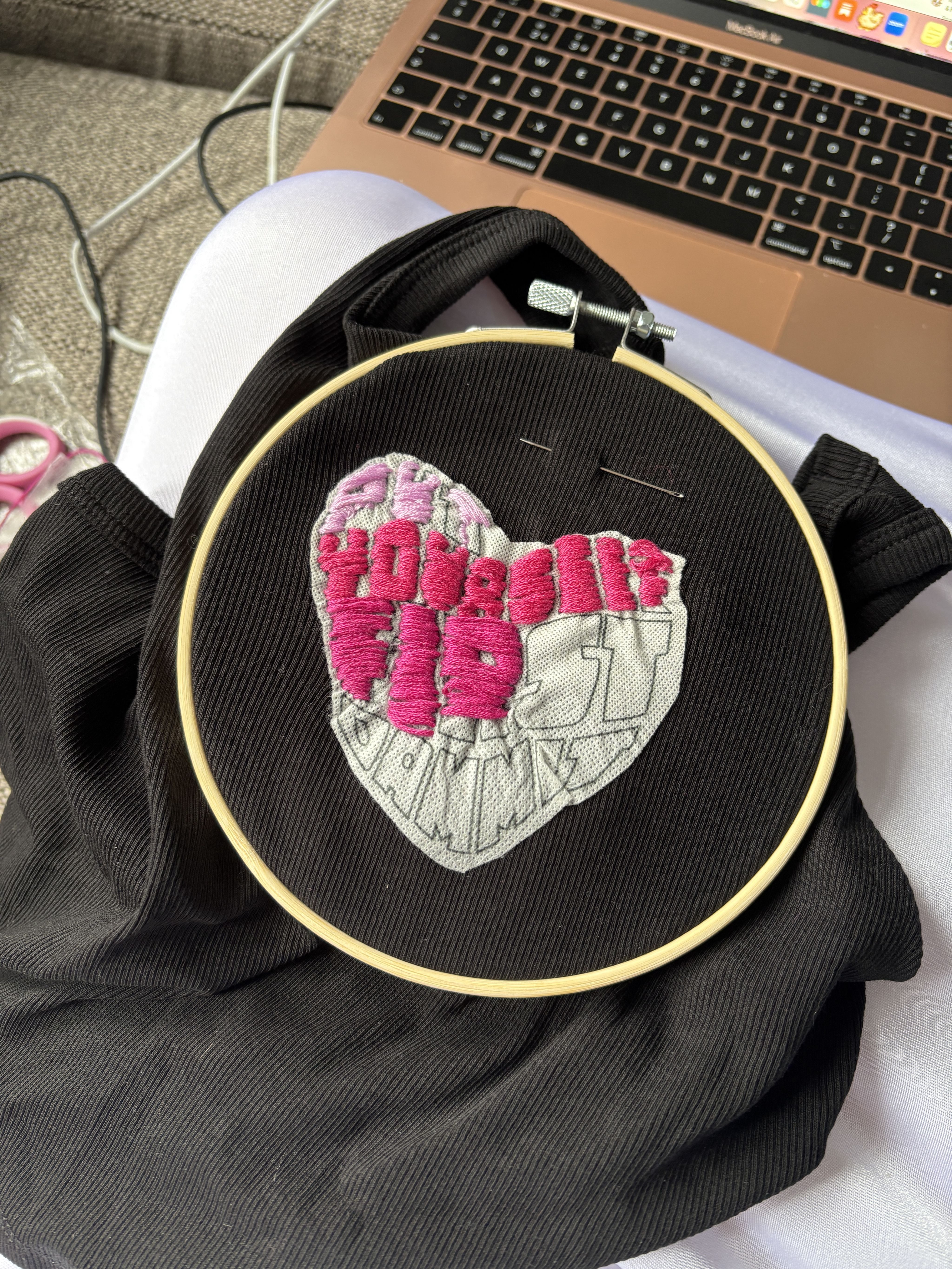
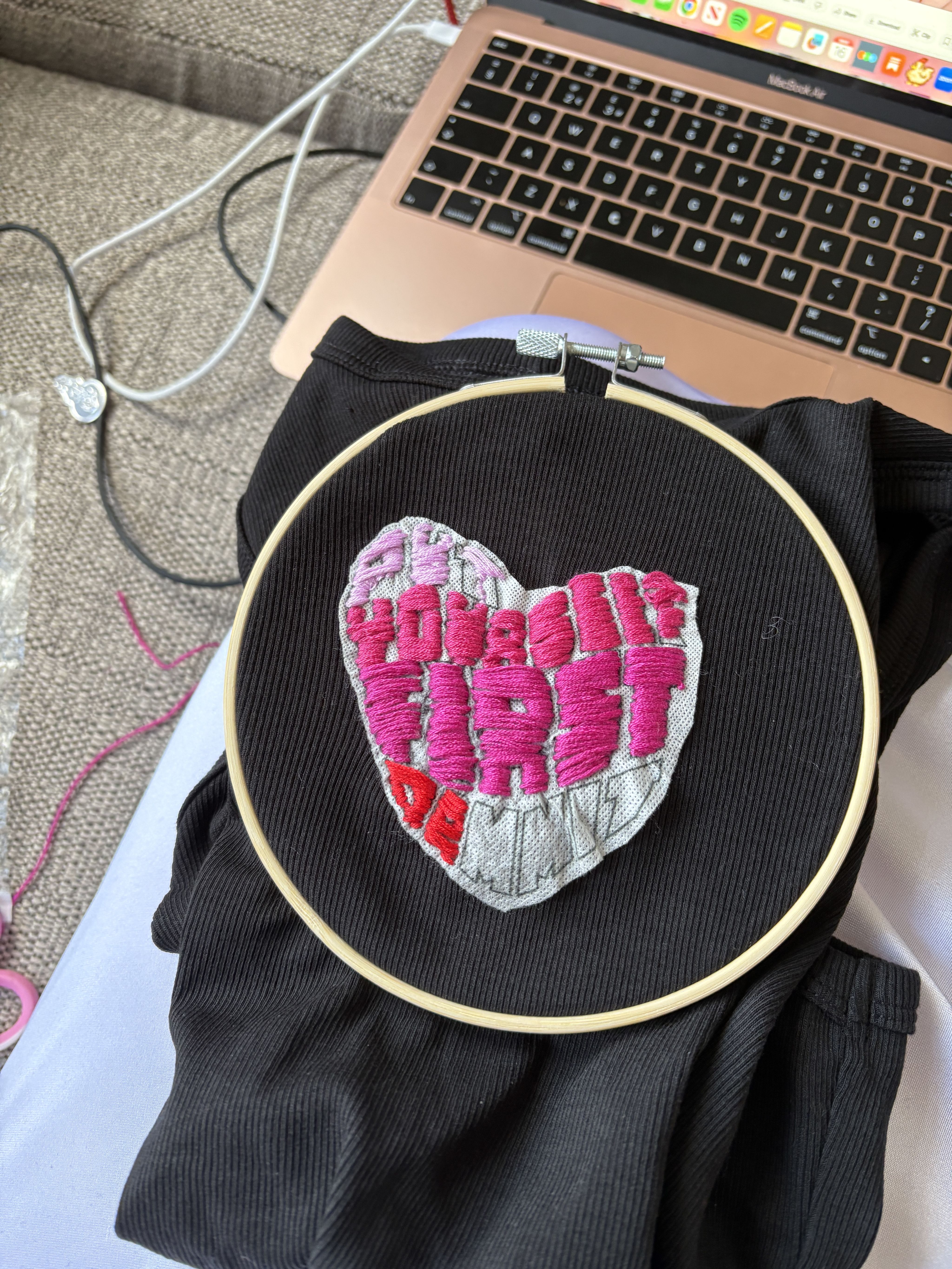
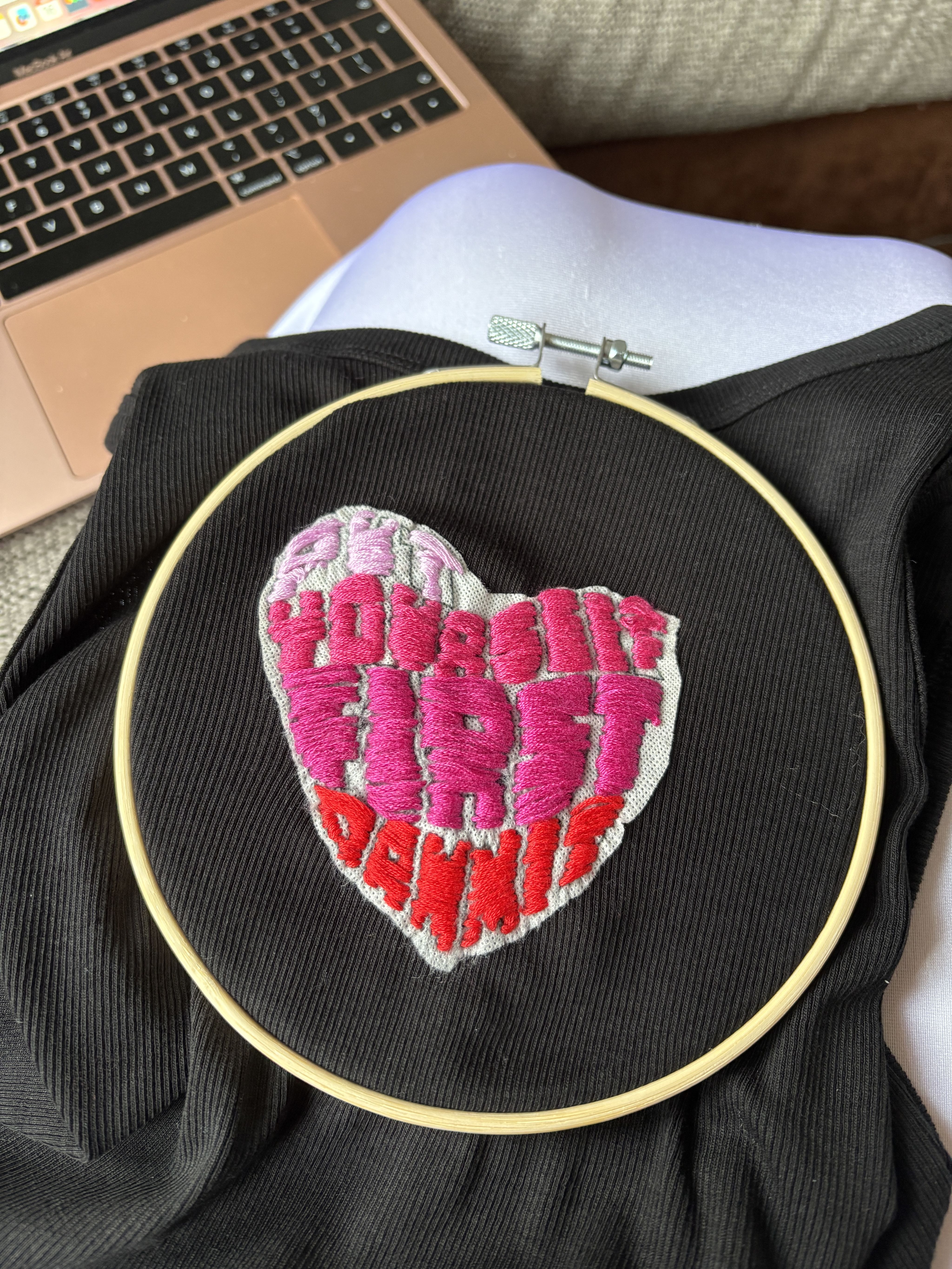
At the bottom of my wardrobe, I found a black ribbed vest top that I’d only worn a handful of times. After being hastily fastened to an embroidery hoop, I attacked it with a needle and thread haphazardly. Initially I followed the TikTok tutorial and designed my own template of a martini glass, only to find that the beads I ordered were the wrong size. Without even switching on a sewing machine, it felt like a fail already.
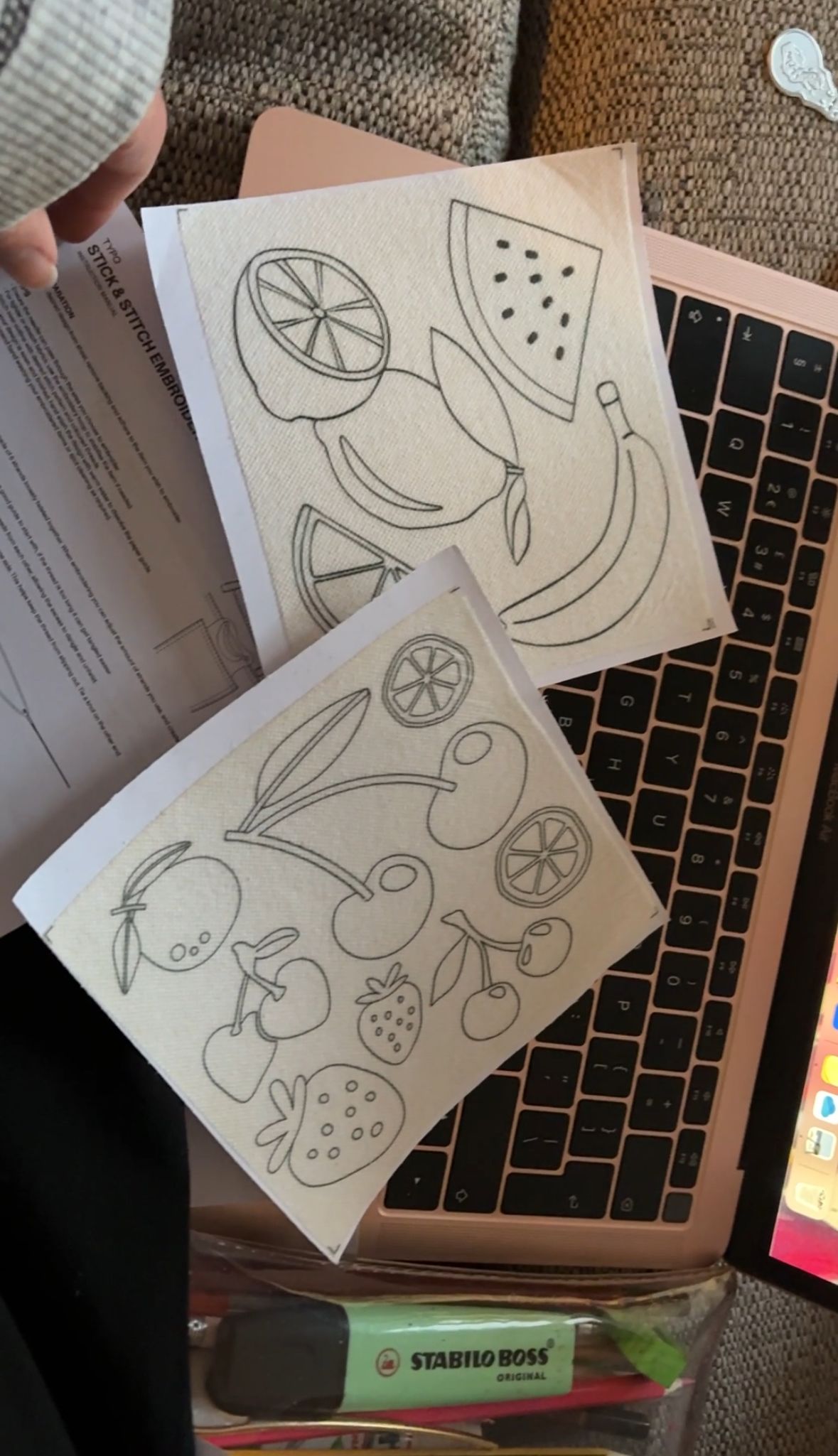
To make a wearable vest, I then spent an hour unpicking my work and applying a patch guide gifted to me for my birthday. Slowly I began to find my rhythm, even if I was yet to brave the machine.




Lesson 2: Zips were made for a reason
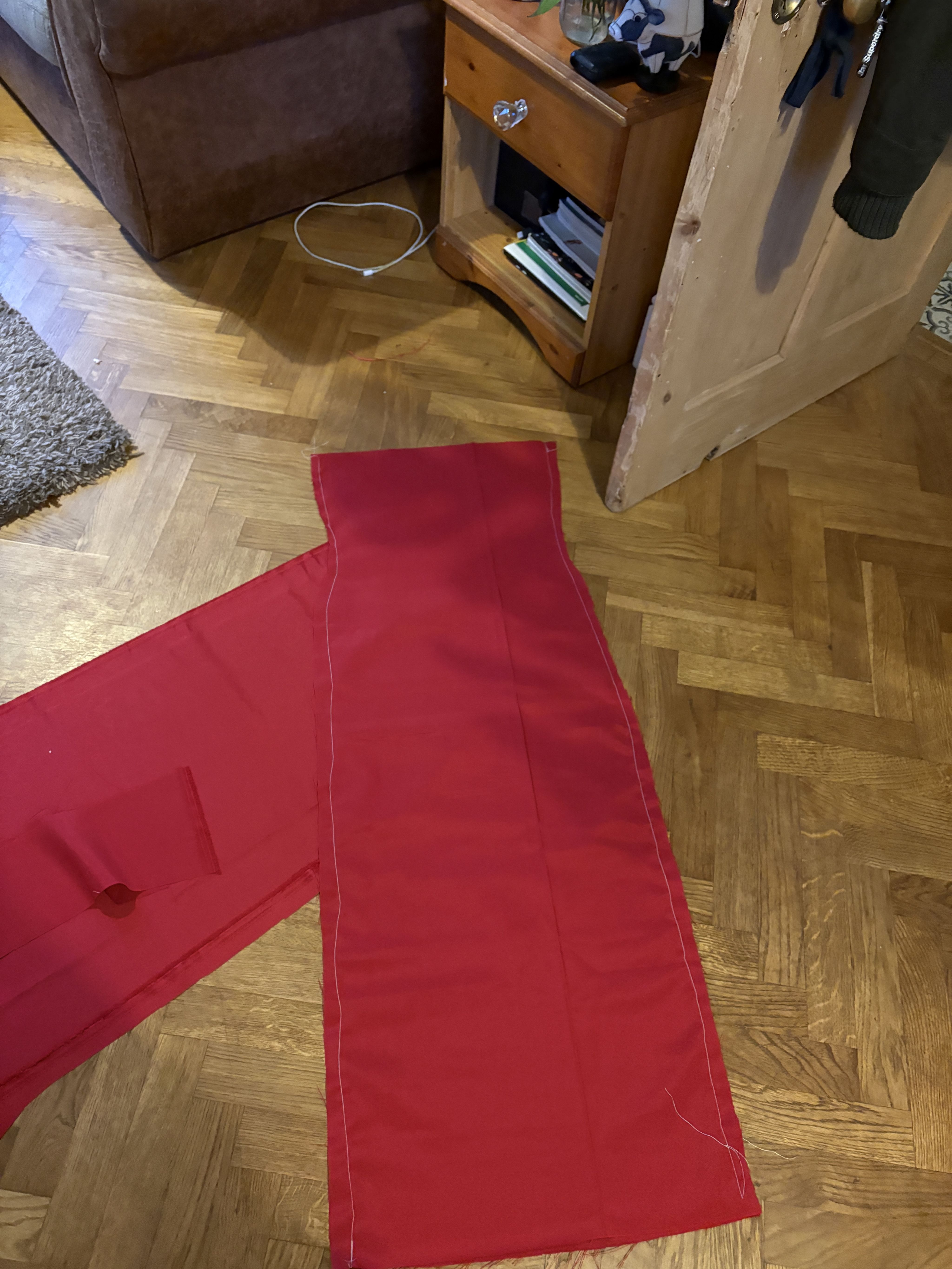
Always remember that zips are needed. It might sound simple, but this one thing can make or break the project that you’re working on. Which I quickly found out, after I sewed an entire dress that I couldn’t wear.
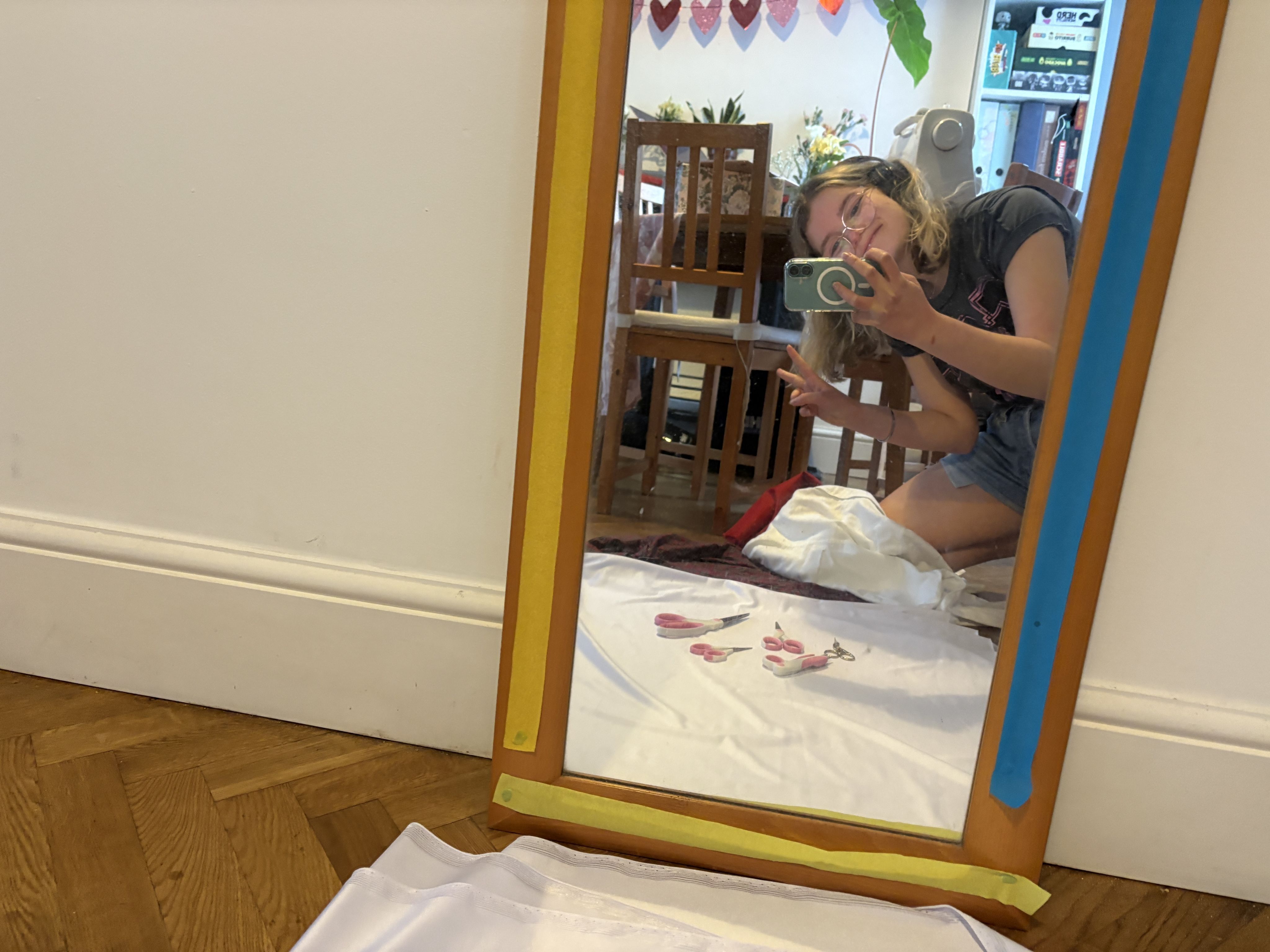
Being overconfident after your first minor success is quite a common mistake. You get too egotistical in your abilities; you think no challenge can’t be completed with enough enthusiasm. I sat down at my Singer sewing machine, a piece of equipment I rented from my local library for only £3 a week. Using it felt like being in a home economics class from high school all over again. It was exciting to figure out the cogs and mechanisms of how it worked, although I feel guilty admitting how long it took me to thread the needle each time.
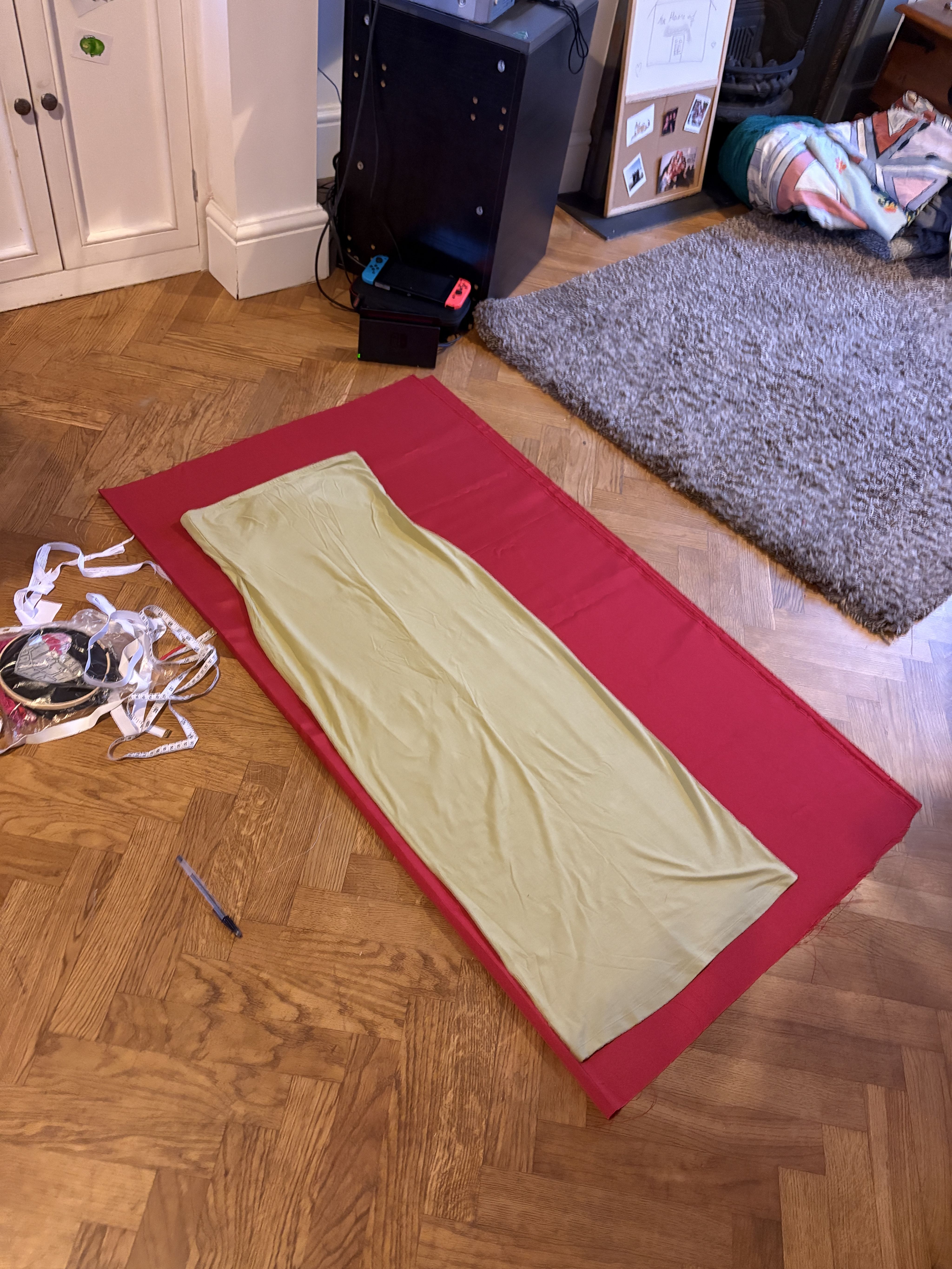
After cutting out a pencil-drawn template on a meter of fabric, copied off of an off-the-shoulder maxi dress I found crumpled in my wardrobe, the new project was pinned together. I began passing the material through the machine quite nervously but found myself getting more confident, and more speedy, with each push of the pedal. Before I knew it I had sewn the entirety of the dress, but without any possibility of wearing it without a zip.
In a fit of disappointment at my clearly avoidable mistake, there was only one woman who could make me feel better. So, on a sunny Sunday morning, fuelled by a cup of tea and half a pack of Fox’s biscuits, I sat down with my Nan and begged for help.
Susan Proctor, aged 75, has been sewing clothes for over 60 years for her family, although she still defines herself as a “beginner”.
Lesson 3: Success is always a gamble
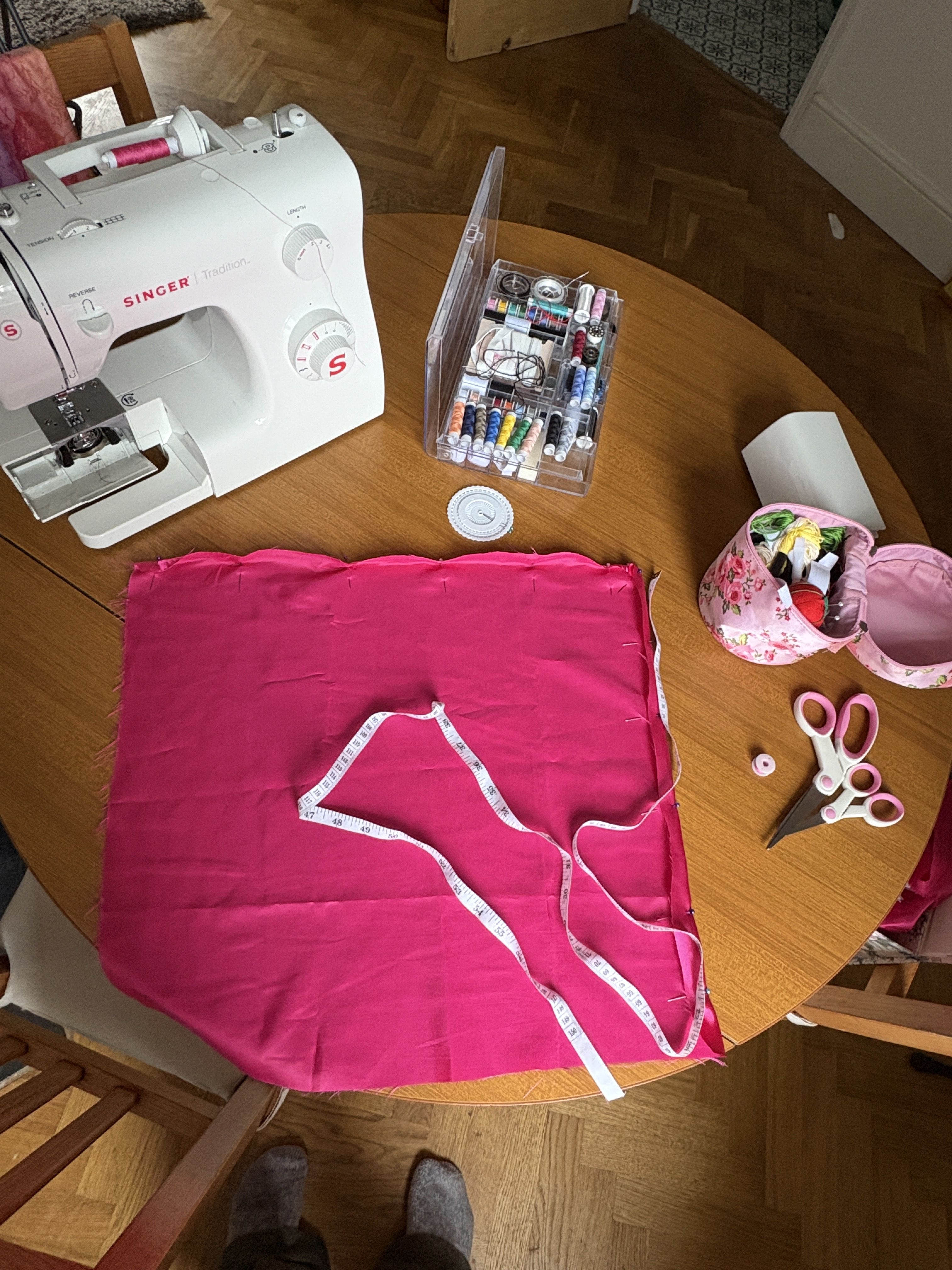
Tears. Pain. Exhaustion. They’re not normally words used to describe craft projects, but after hours of unpicking the seams of a magenta satin skirt I forgot to add an elastic waistband to, it felt appropriate. Sewing, although practical, is never a guaranteed solution to transforming your wardrobe.
If it were that simple, we would make all our clothes by scratch. Despite my earlier failure with zips, undoing my work to sew in a new waistband felt exhausting. So, by the time I’d finished measuring and hemming the skirt, with a matching bandana to accessorise, I didn’t feel happy.
It didn’t feel like it matched my style, but instead I’d tried to make something that I thought would look cool. I’d successfully made an item of clothing to wear but was failing to make something I enjoyed and was my own style. I’d sew an item, but it didn’t hit the criteria of still making me feel confident or stylish.

Lesson 4: Part of the joy is failure
Failing upwards, or finding the positives in the negatives of endless cutoffs of material, is essential when sewing. If you focus too hard on building an outfit around what you think other people will think looks cool, you’ll always be disappointed. Following your own style, as outlandish as it might be, is part of the joy of being creative.
It’s something Sophie enjoys seeing in how people style themselves: “I love seeing a group of girls with a Bratz vibe, where one of you is boho, one of you is a bit emo, one of you is 80s disco, one of you is girly-hot. You've all got your own individual styles.”
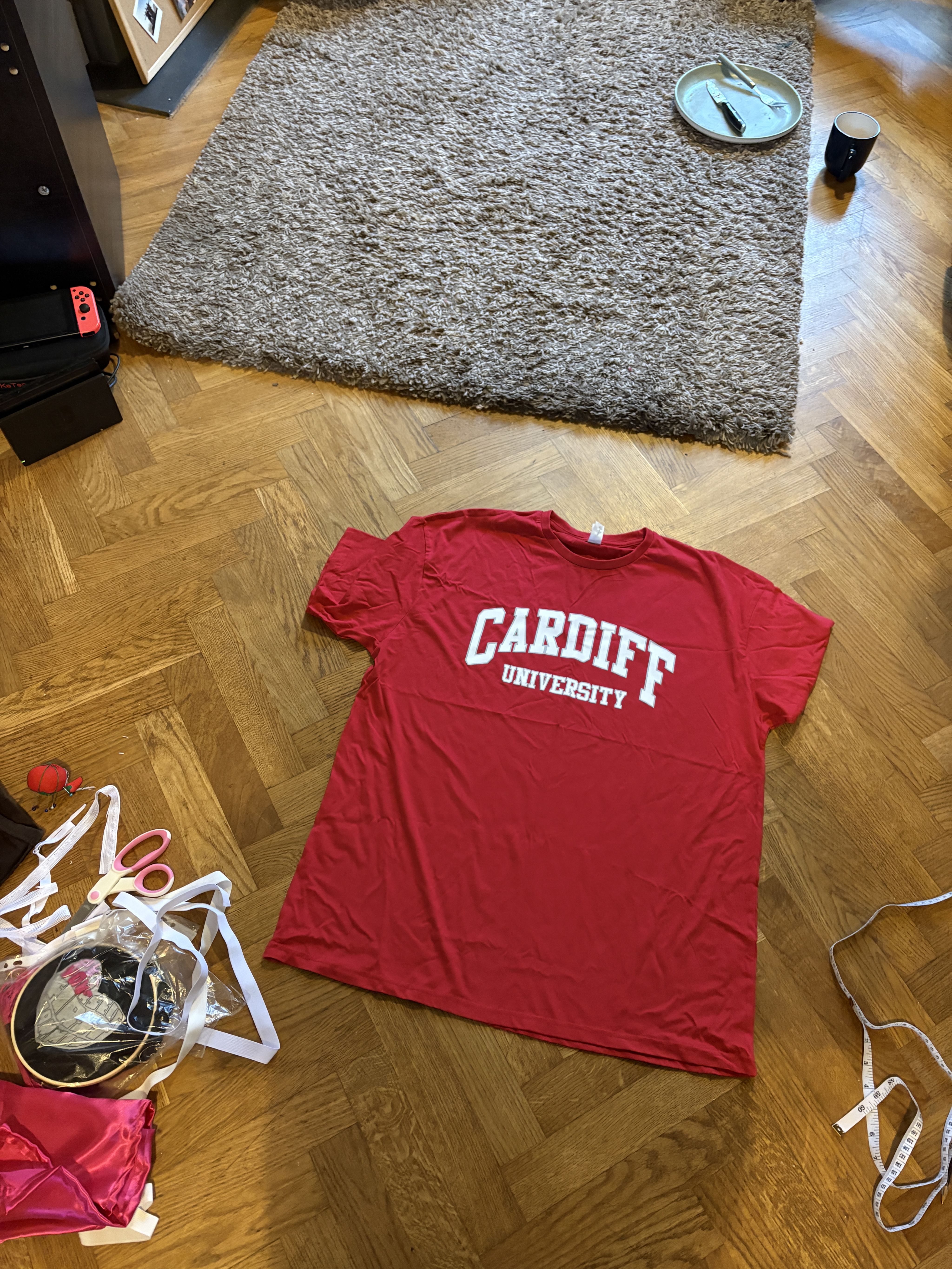
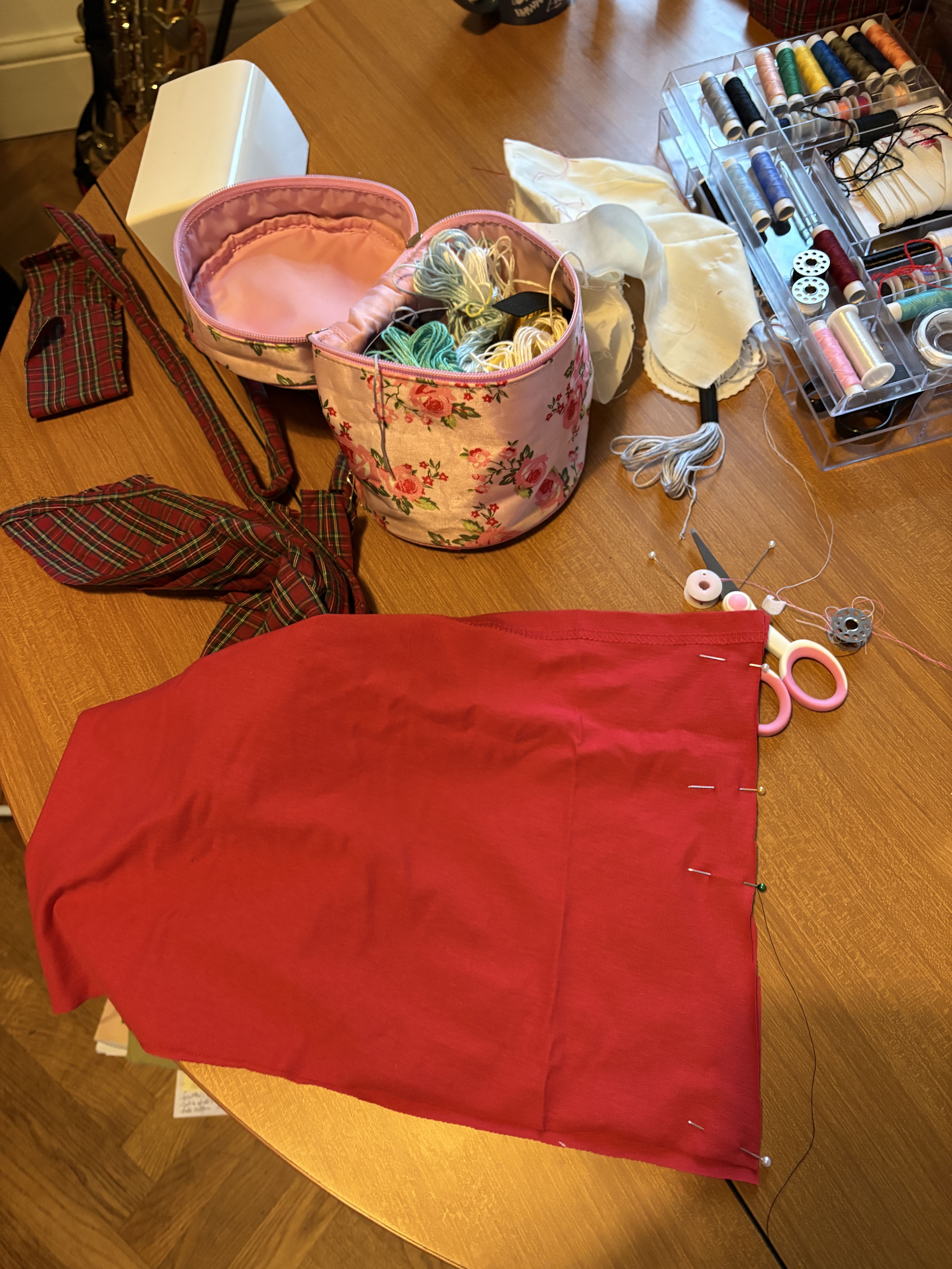
With my attempts at upcycling being unsuccessful, in a passionate fit of rage I began tearing up an old XXL t-shirt I sourced from my loft. Attacking linen with fabric scissors became a freeing act. If I was going to do this, I was going to do it properly. It didn’t matter if I was successful, it just mattered that I was brave enough to try something new.
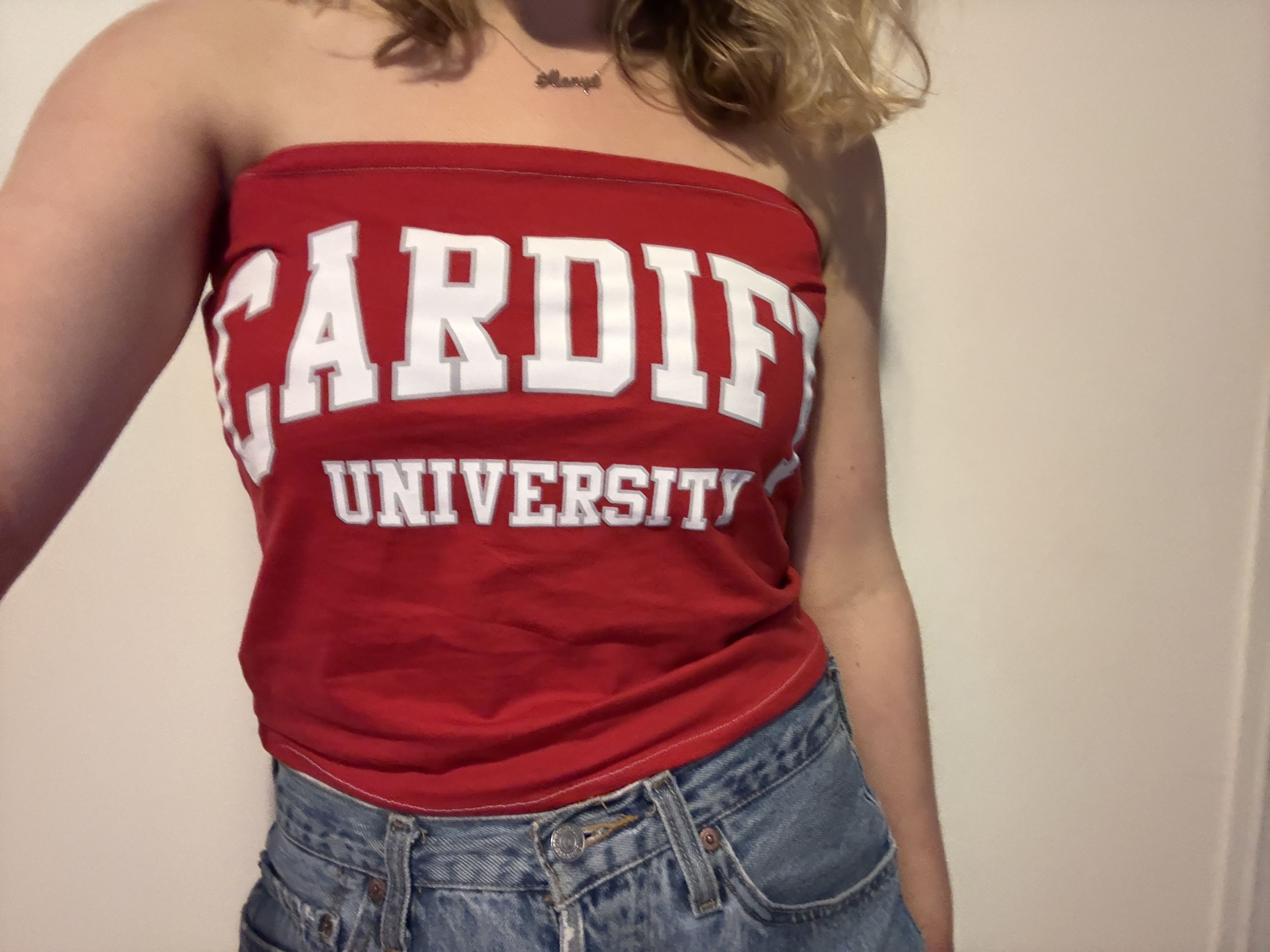
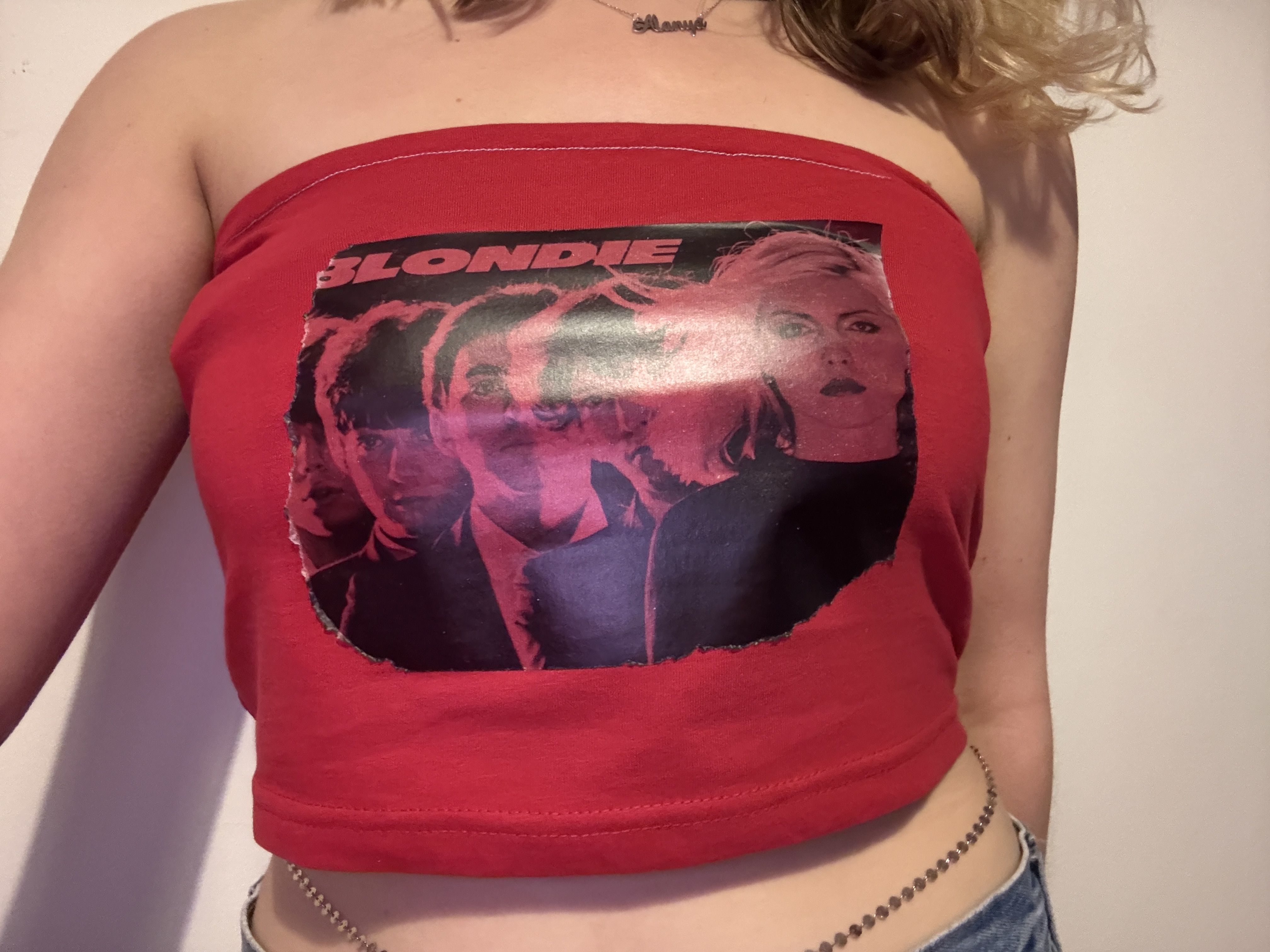
The t-shirt quickly became halved, pinned and hemmed into two separate bandeau tops. One brandished a ‘Cardiff University’ logo on its front, the other I printed my own poster onto with some transfer paper and ironed it onto the remaining top.
Despite wanting to give up entirely, embracing my failure and trying again meant that I no longer cared what others thought. Who cares if it looks weird? I was starting to enjoy myself.
Lesson 5: Incredible things can happen with the simplest materials
A square meter of fabric can truly be transformed into whatever you want it to be if you have the right patience. Doom-spending on ASOS to try and find a dress to wear for a night out can often be a resort many of us fall to. Instead, a meter of white polyester stands before me.
The dress is my magnum opus. The greatest part of the challenge I’ve been working on to transform into a boat-neck maxi dress. It’s an item I hope will make me look chic and sophisticated, much like the models on my Pinterest page. And while my spirits have been knocked by my previous projects, I’m hopeful I can make something wearable. With one last push, some frantic facetimes with my Nan, and a concerning YouTube watch history of ‘Singer Machines Explained’ videos, I’m finished.
The one item I’d wished to come together was no longer a scrap of fabric but a real, wearable thing in my hand. A dress I could style for work, fold into a midi-dress, or even cinch into a maxiskirt (as my evening drinks with friends saw me wear). Success! After many failures, I’d finally made something from scratch that made me feel closer to my “individual style” that Sophie had been talking about.

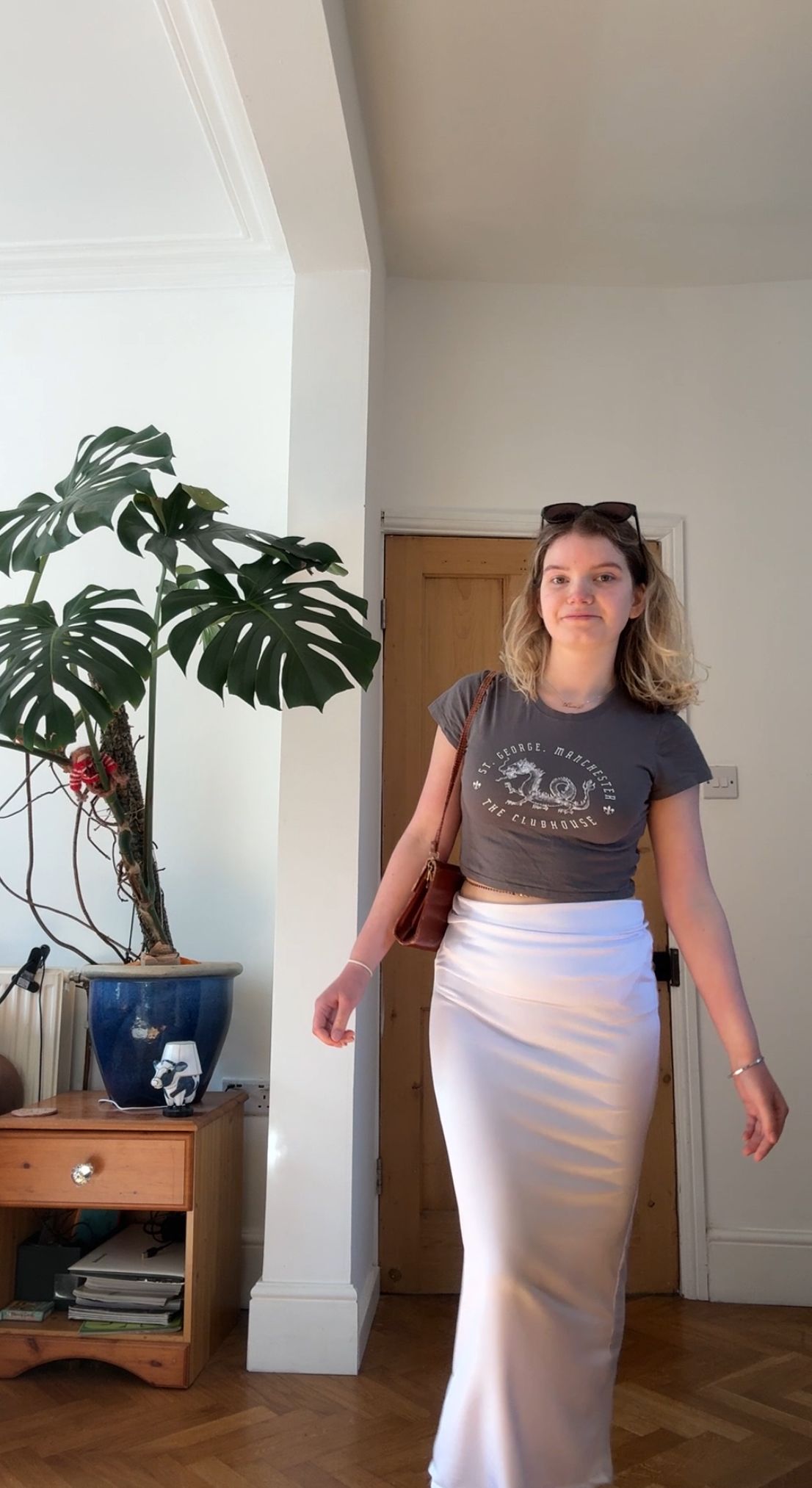
Satin Midi-skirt - Self Made
Off-the-shoulder Maxi Dress - Self Made
Printed Bandeau Top - Upcycled
Bandana - Self Made
Boat-neck Maxi-dress - Self Made
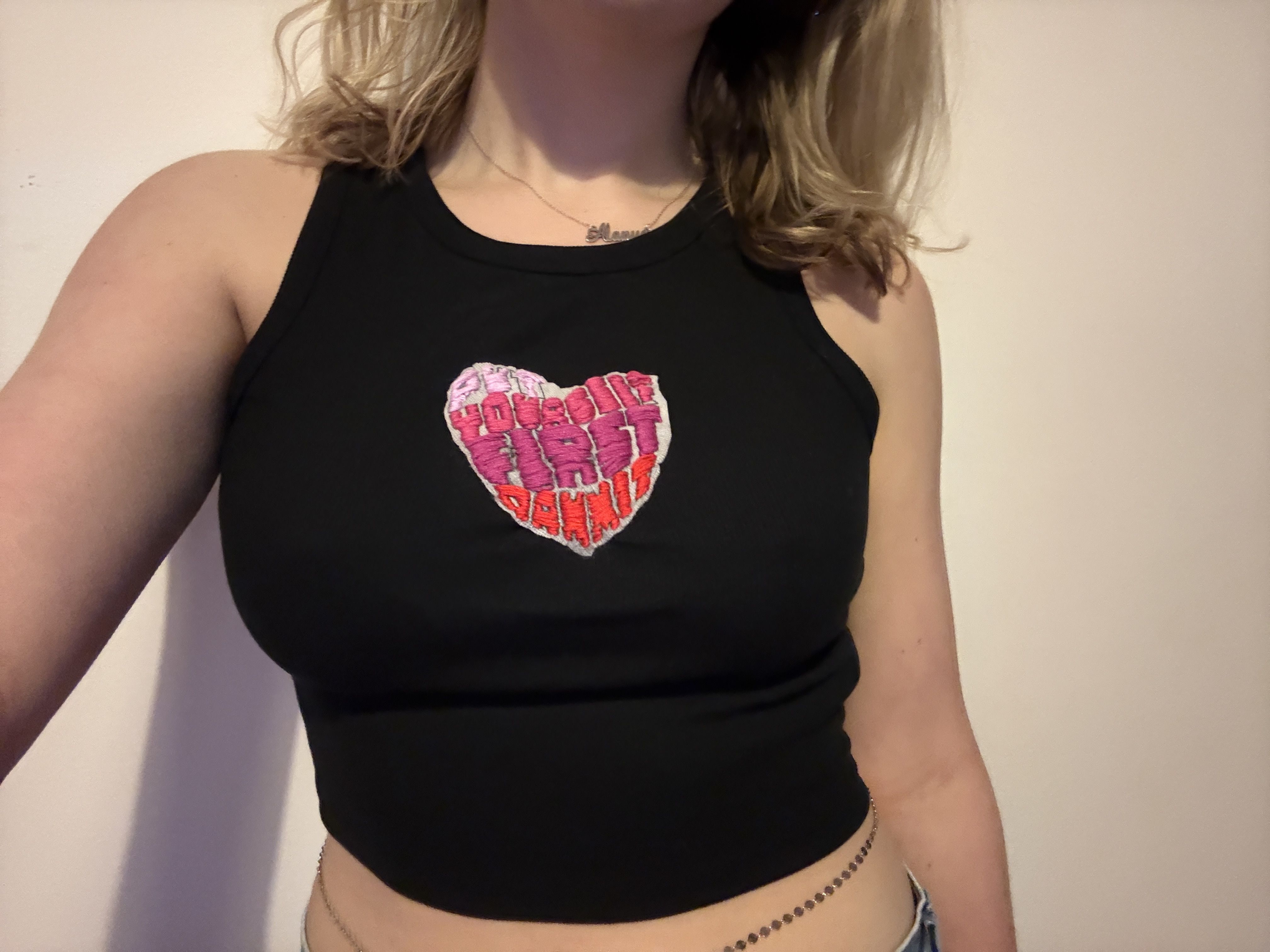
Embroidered Vest - Upcycled
Designed Bandeau Top - Upcycled
Although my inability to decide on what outfit to wear has not changed after this challenge, as my overflowing wardrobe scorns my twitching to scroll through Vinted, it’s refreshing to know that it’s possible to indulge in choosing what to wear without the planet sacrificing at my needless expense. Major retailers like Levis are now promoting eco-conscious campaigns that promote longevity and mending in their goods, advertising their products as investment pieces to enrich your style.
It's a dedication that Naomi urges retailers to prioritise: “Responding to the climate crisis should be a vital consideration for any fashion business. The UN Environmental Programme and UN Climate Change fairly recently published The Sustainable Fashion Communication Playbook. This provides a shared vision and guidance for aligning consumer-facing communication with sustainability targets for the global fashion industry.”
If the challenge of making a new and upcycled wardrobe had the aim of replacing my spending entirely, then this would not be successful. The hours spent around work on a sewing machine googling YouTube tutorials of how to produce different stitching effects is far more laborious than adding an item to your basket, blissfully ignorant to how the garment was produced or created.
What it did teach me was the integrity of shopping mindfully and consciously. How many times have you bought something, only to return it and not think of the environmental impact of what you’ve just done? Being present from the first cut of fabric to the first time you bravely wear the item out of your house drills in the importance of knowing how your clothes are made.
While it might not be my go-to activity when I'm next trying to put together an outfit, it's definitely a hobby I'll continue as a pause from the online doom-spending.
What do other people enjoy making?
From sewing to crocheting and card making, creative expression takes many forms.
Take a look at what other people have made as inspiration for your next craft project.
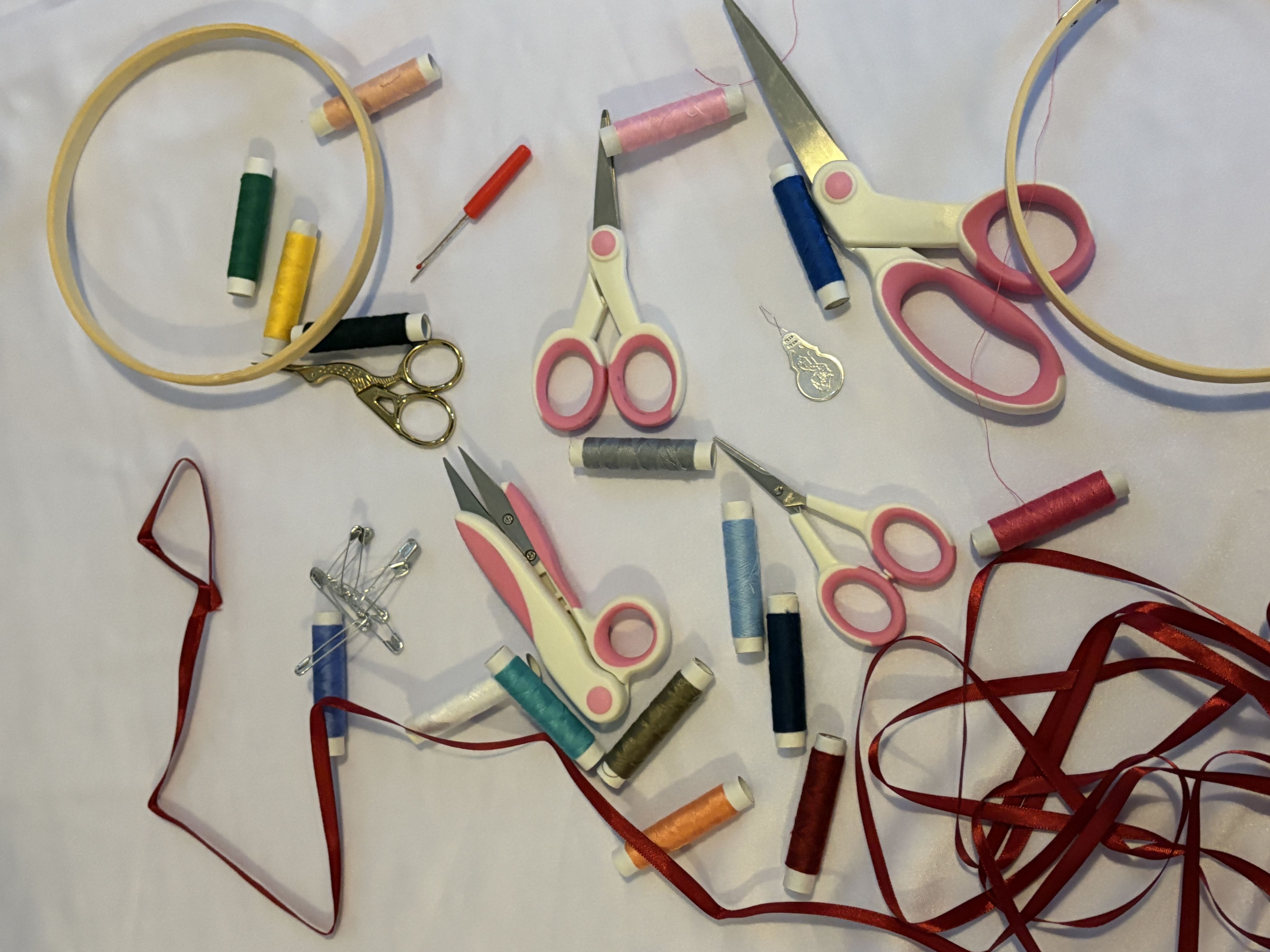
Milly, 23, Cardiff
“At first I started to upcycle a pair of jeans as something to do during the pandemic. Now I enjoy doing crafts to unwind and I’ve enjoyed seeing my skills develop into crochet!”

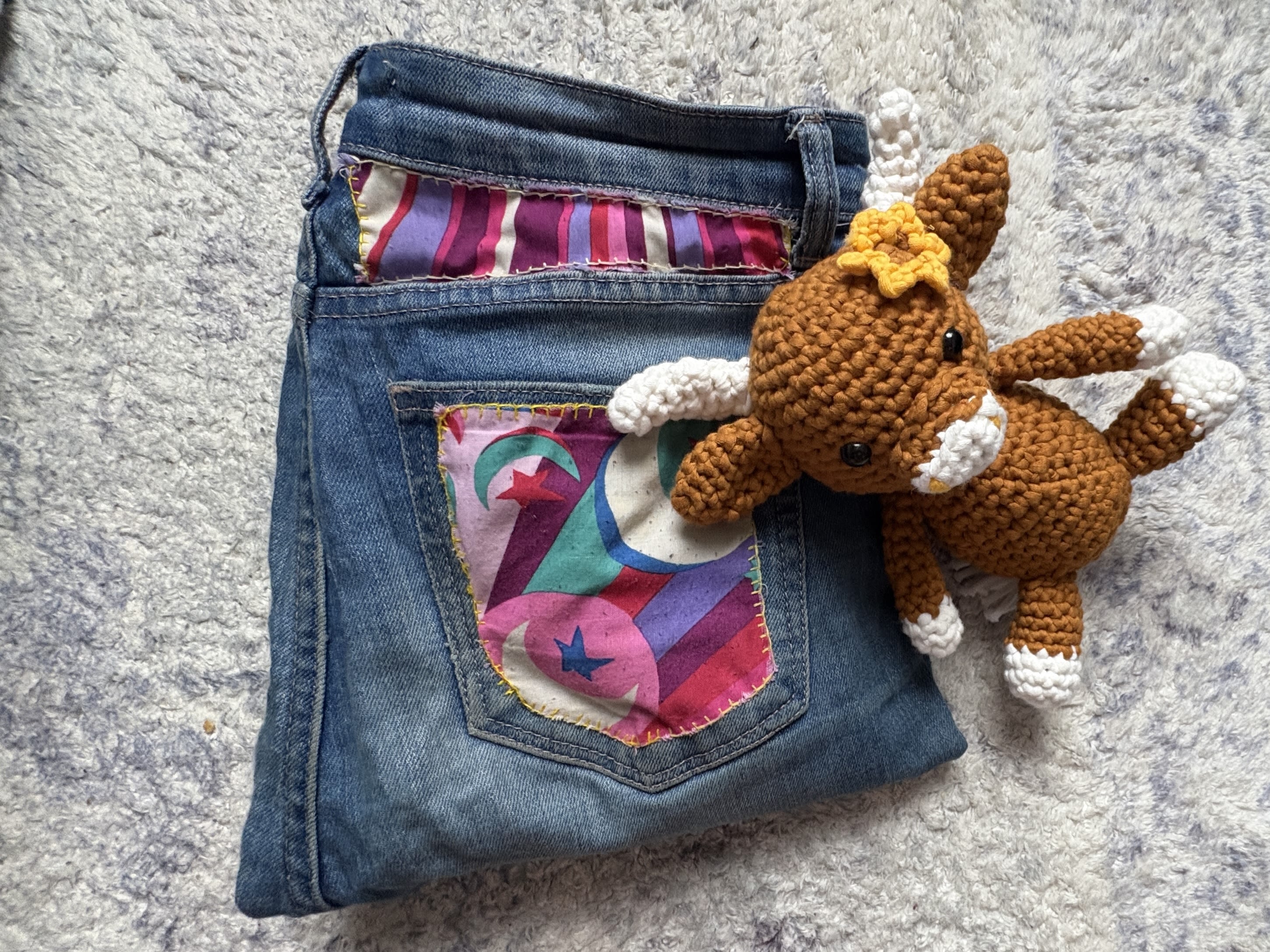
Fran, 41, Stockport
“I like the satisfaction of making things and can’t sit still so keep busy. I like that I can get deadstock fabric and use fabric that would otherwise go to landfill.”

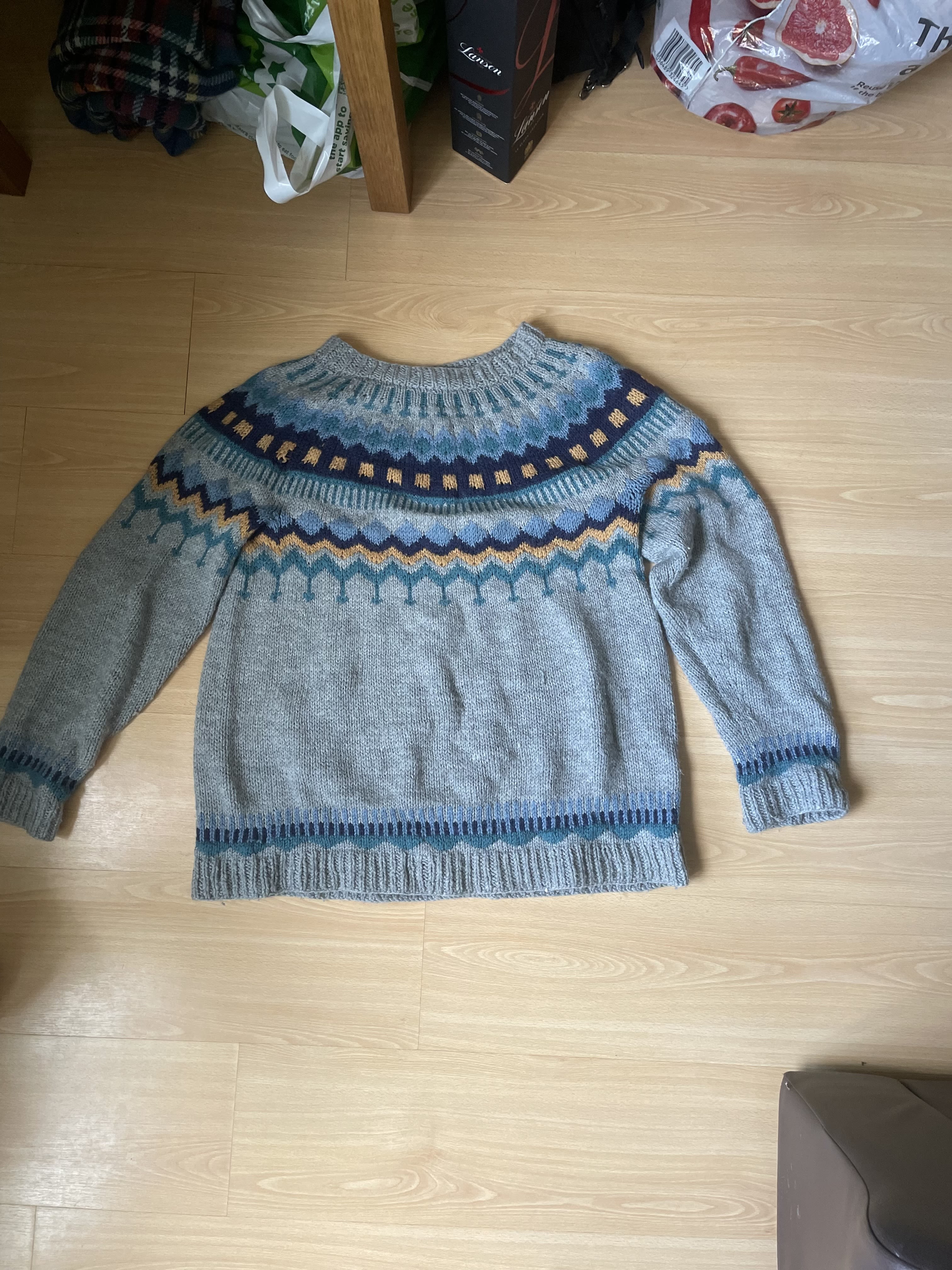
Tim, 31, Edinburgh
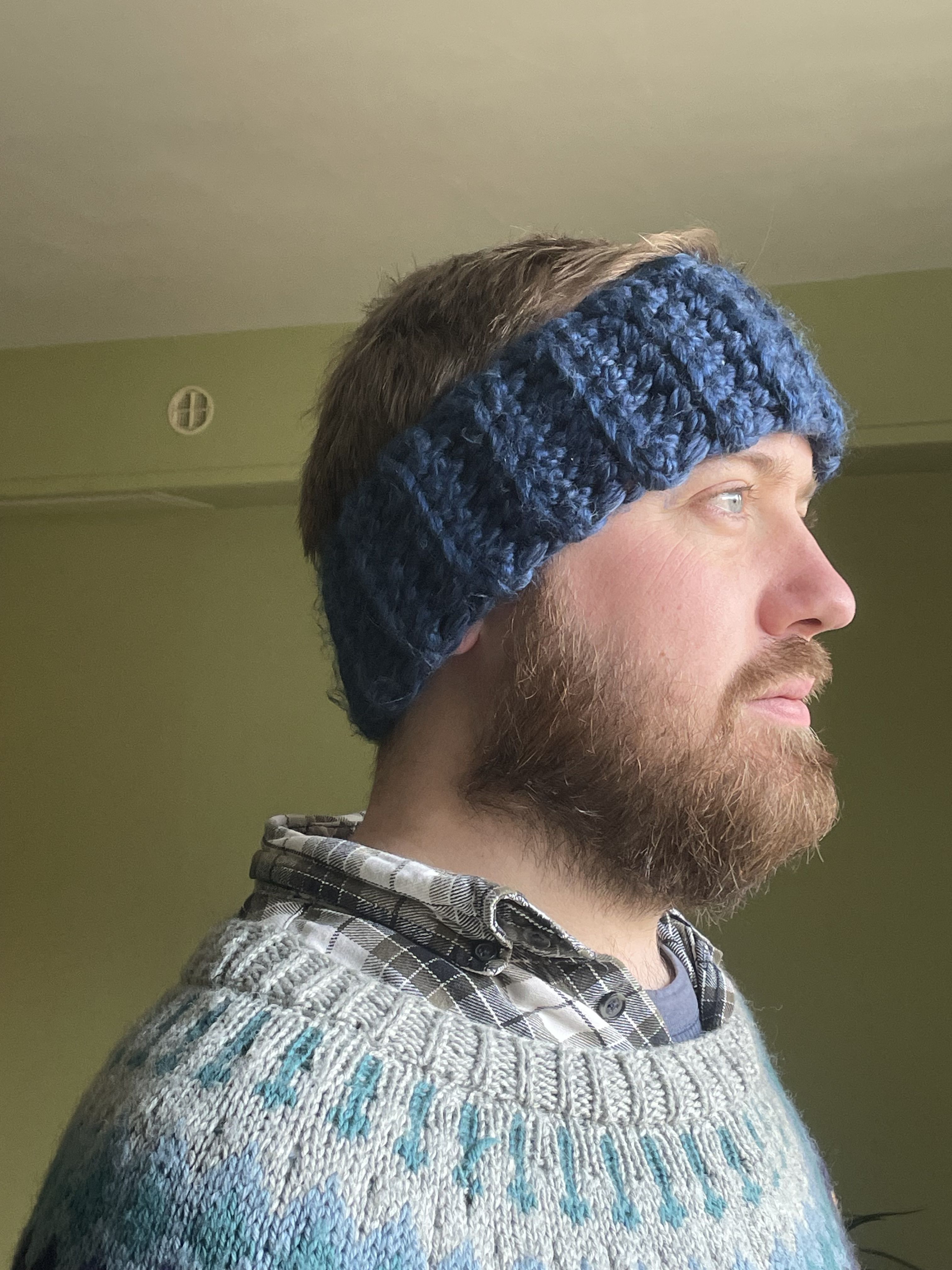
"Crafting is a great way to relax without being on your phone. Recently I made a headband for my fiancée and it was the perfect way to unwind on a Friday night in."

Sue, 75, Wolverhampton
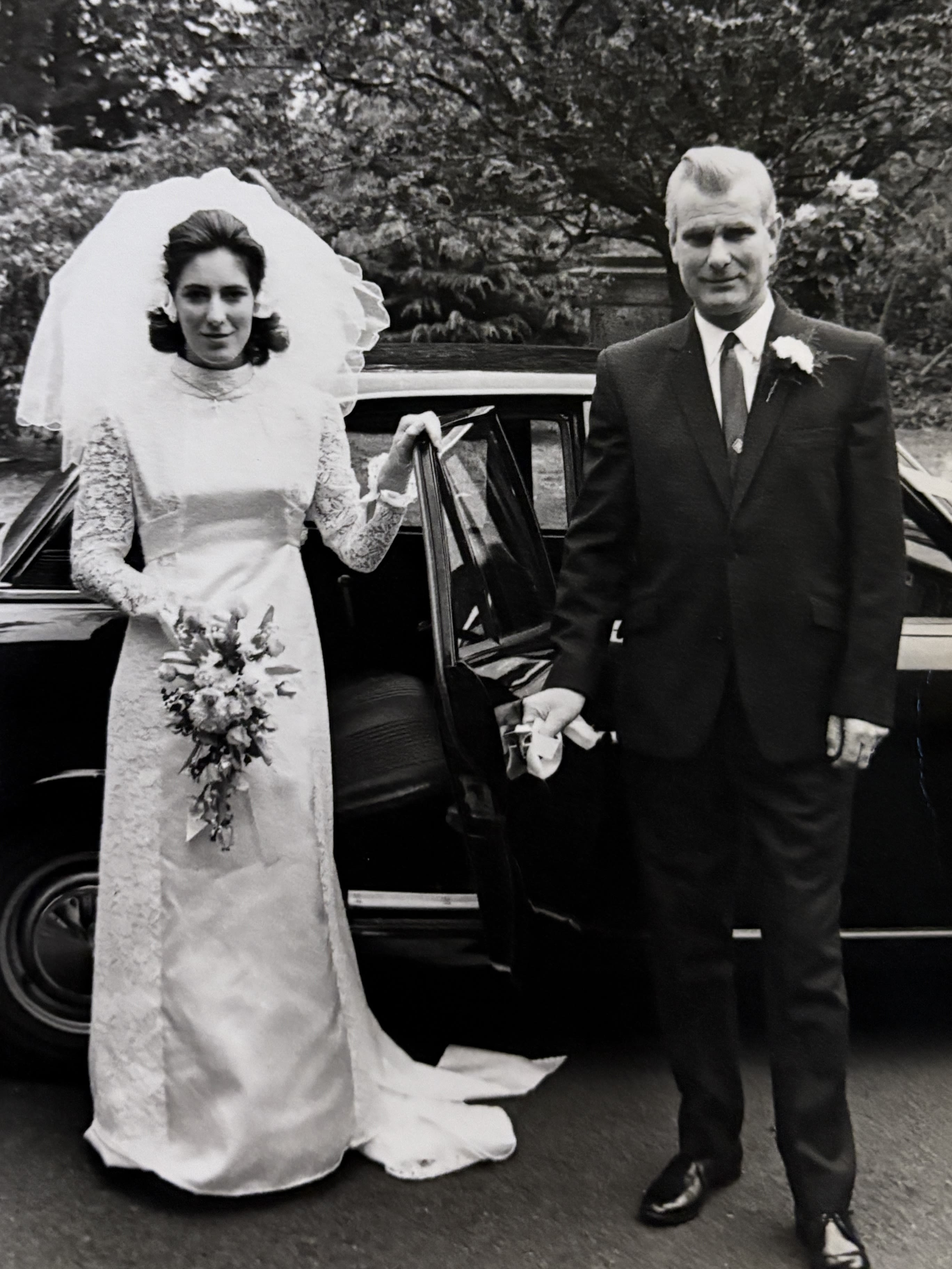
"Making my wedding dress meant that I could look exactly like I wanted on my big day. Finding the right material and pattern to work with can enable you to make things you'd never imagine."

Mae, 21, Lichfield
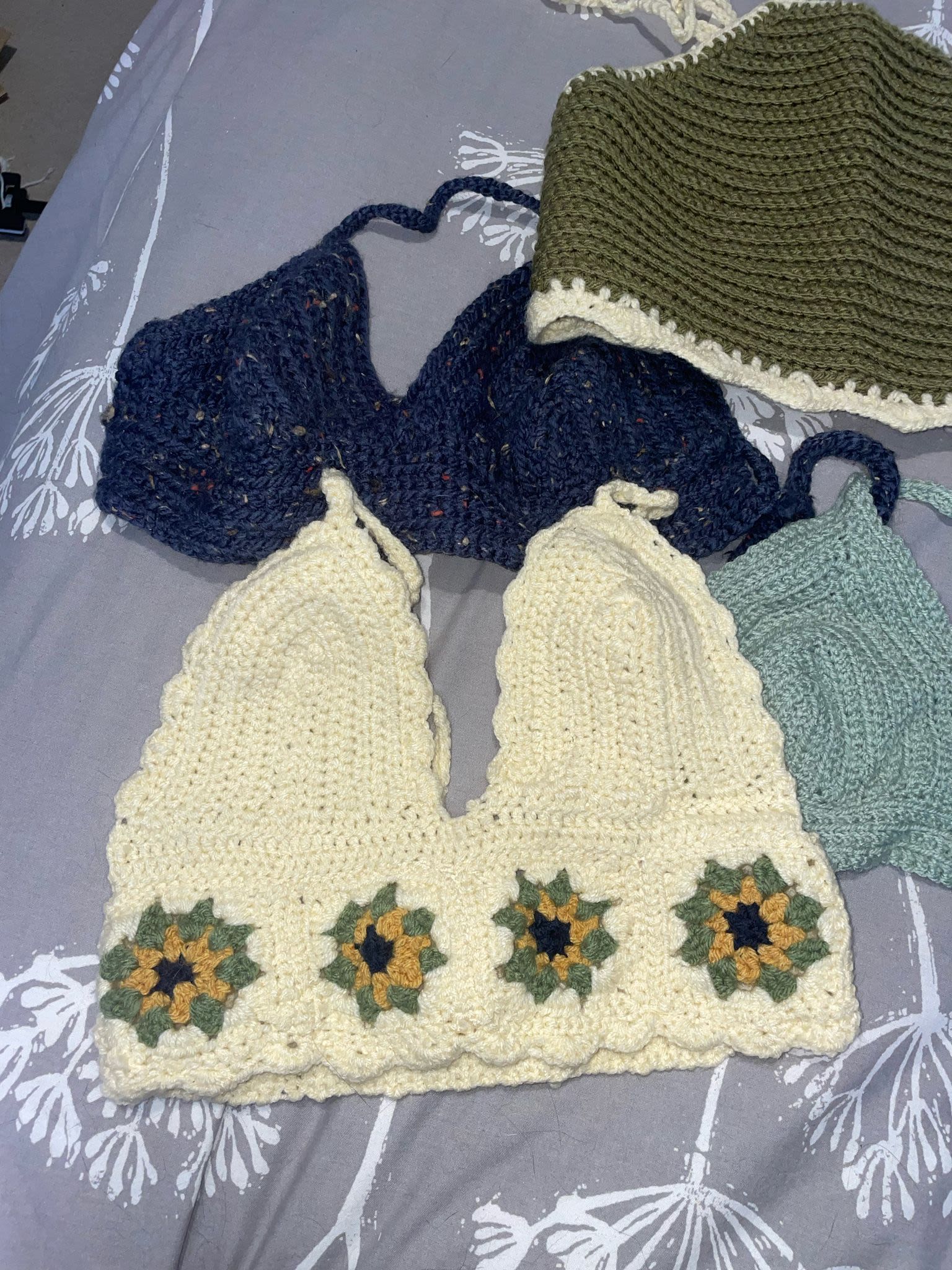
"Crocheting is a great hobby to do, as you really can make anything you want if you have the right materials. I love making tops and working on a project I can then wear all summer."

Your Sewing Project Guide
Thinking about starting your own sewing project? Here's some advice on what you'll need to get started.
|
Materials Needed |
Difficulty To Make |
|
|
|
Bandeau Top - Measuring tape - Pins - Fabric scissors - Cotton thread - Sewing machine |
★★☆☆☆ |
|
|
Boat Neck Dress - Measuring tape - Pins - Fabric scissors - Cotton thread - Sewing machine |
★★★★☆ |
|
|
Embroidered Vest - Embroidery hoop - Templated design or stick-and-patch templates - Thread scissors - Embroidery thread |
★★★☆☆ |
|
|
Printed Bandeau Top - Iron - Ironing board - Printer - Transfer paper - Measuring tape - Pins - Fabric scissors - Cotton thread - Sewing machine |
★★☆☆☆ |


Alanya Smith
Alanya is a trainee journalist studying at Cardiff University on the Magazine Journalism (MA) course. She has an interest in art, culture and humanitarianism.
 Built with Shorthand